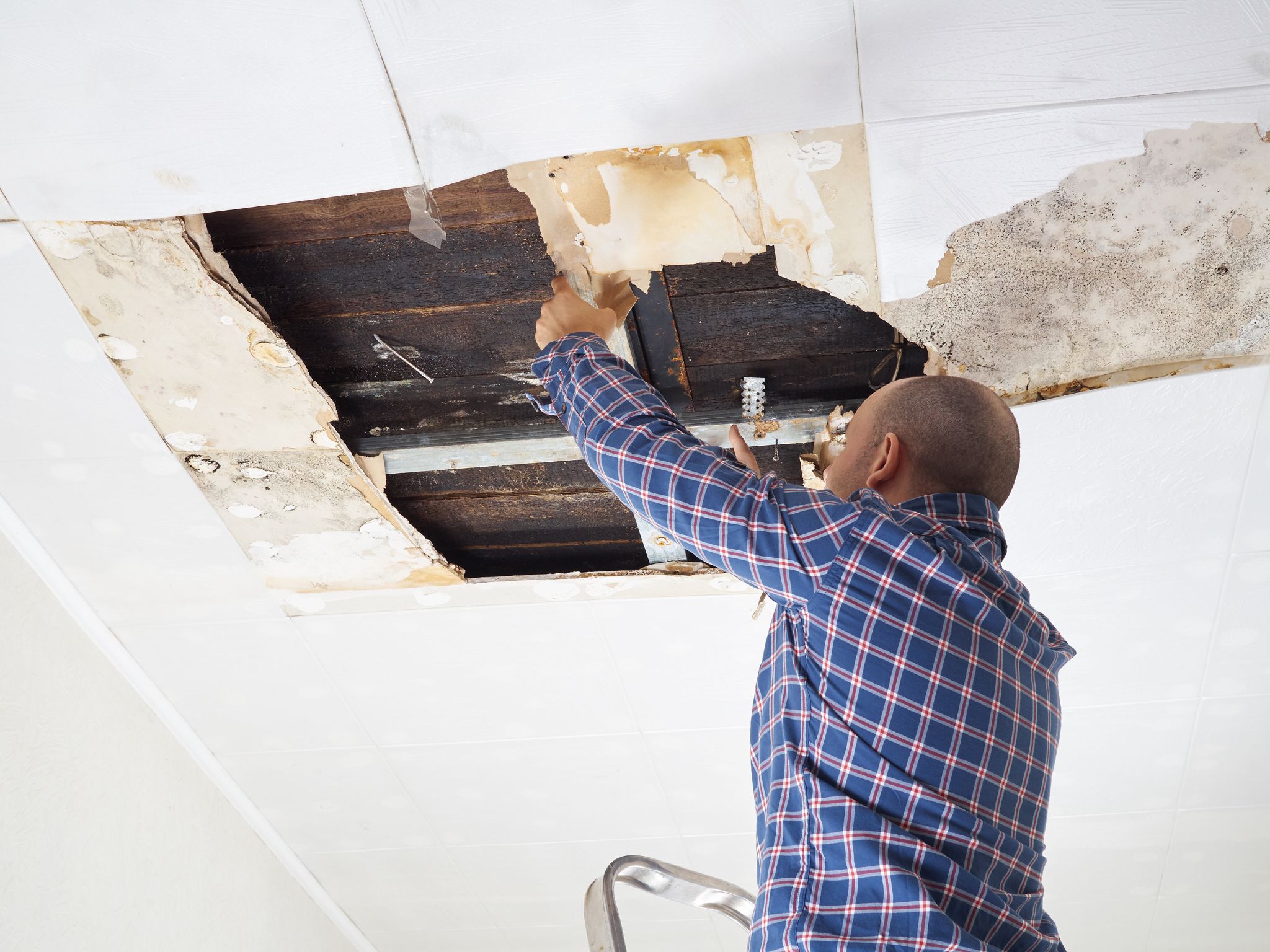
Home insurance may cover water damage when it’s sudden and accidental, such as a burst pipe, broken appliance hose, or unexpected overflow. However, water damage coverage usually doesn’t apply to flooding, long-term leaks, seepage, or poor maintenance. The cause of the water matters most when reviewing a water damage insurance claim.
What to know before filing a water damage insurance claim
Water can spread through a home before the damage is easy to see. A small leak may reach the flooring, drywall, cabinets, insulation, and belongings before you know how serious it is.
When it comes to filing a claim, the details depend on what caused the damage, how quickly it happened, and what your policy includes. This guide helps you understand when water damage insurance may apply, what policies commonly exclude, and when water damage restoration can help protect your home.
Does home insurance cover water damage?
Sometimes. Home insurance is more likely to help when the water damage is sudden, accidental, and tied to a covered event. A burst pipe, broken supply line, or accidental appliance overflow may fall into that category, depending on your policy.
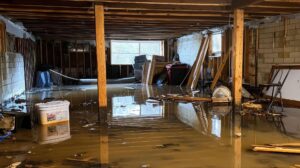
Water damage coverage is less likely when the problem developed slowly, resulted from outside flooding, or was due to poor maintenance. Standard homeowners insurance isn’t the same as flood insurance. Flooding from rising outside water usually requires a separate flood policy.
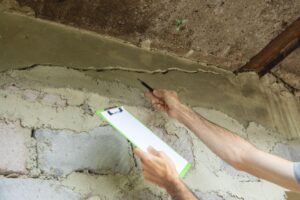
A restoration company doesn’t decide what your insurance covers. Your carrier makes that decision. A restoration team inspects the property, documents the damage, and explains what needs to happen next.
How insurance companies decide water damage coverage
Insurance adjusters usually look at where the water came from, how suddenly the damage happened, and whether you took reasonable steps to limit further damage.
Start with a few questions:
- Did the water come from a pipe, appliance, toilet, tub, sink, or water heater?
- Did the damage happen suddenly?
- Did water enter from outside, flooding, groundwater, or seepage?
- Was there a maintenance issue?
- Was the damage reported quickly?
Water damage insurance is easier to understand when you clearly explain what you found, when you found it, and what action you took. If you are unsure of the cause, describe what you observed instead of guessing.
What to do after water damage
The first few steps matter. Even if water damage coverage is uncertain, quick action helps limit moisture spread and create a clearer record.
Start here:
- Stop the water source if it is safe to do so.
- Avoid electrical hazards and contaminated water.
- Take photos and videos before moving items.
- Call your insurance company to report the damage.
- Contact a water damage restoration team for inspection, drying, and documentation.
- Save receipts, plumber invoices, notes, and details of damaged materials.
Document damaged materials before throwing them away, unless they create a safety concern.
Covered and uncovered water damage examples
A sudden burst pipe, broken washing machine hose, unexpected water heater failure, accidental toilet or sink overflow, covered storm damage, or water used to put out a fire may qualify for coverage.
Water damage that usually isn’t covered includes a slow leak, poor maintenance, floodwater from outside, groundwater seepage, sewer backup without added coverage, or mold caused by ignored or uncovered water damage.
In many cases, insurance may cover the resulting damage from a covered water event, but not the worn-out pipe, broken appliance, or failed part that caused the water to escape.
Why fast water damage restoration matters
Fixing the source of the water is only the first step. A plumber may stop the leak, but that doesn’t mean the home is fully dry. Moisture can become trapped in hard-to-see areas, including behind baseboards, under flooring, inside cabinets, within drywall, behind trim, around insulation, and in wall cavities.
Hidden moisture will continue spreading when no one addresses it. Fast water damage restoration helps identify what is wet, what can be dried, and what materials may need to be removed or repaired.
Common mistakes to avoid
Avoid these common mistakes:
- Waiting to report the damage
- Assuming the area is dry because the surface looks dry
- Throwing away damaged materials before documenting them
- Guessing the cause when reporting the claim
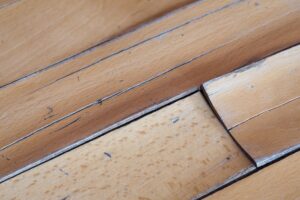
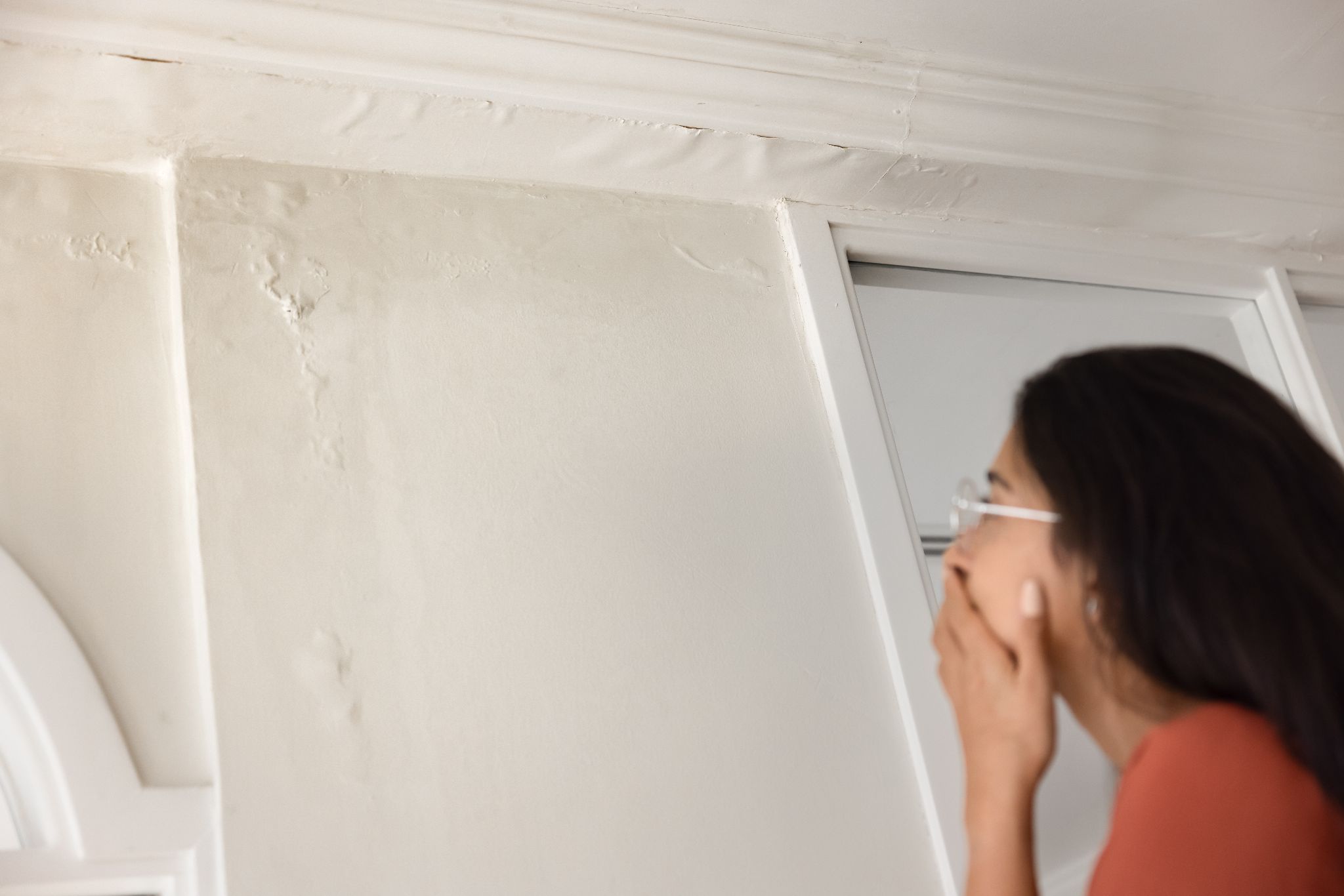
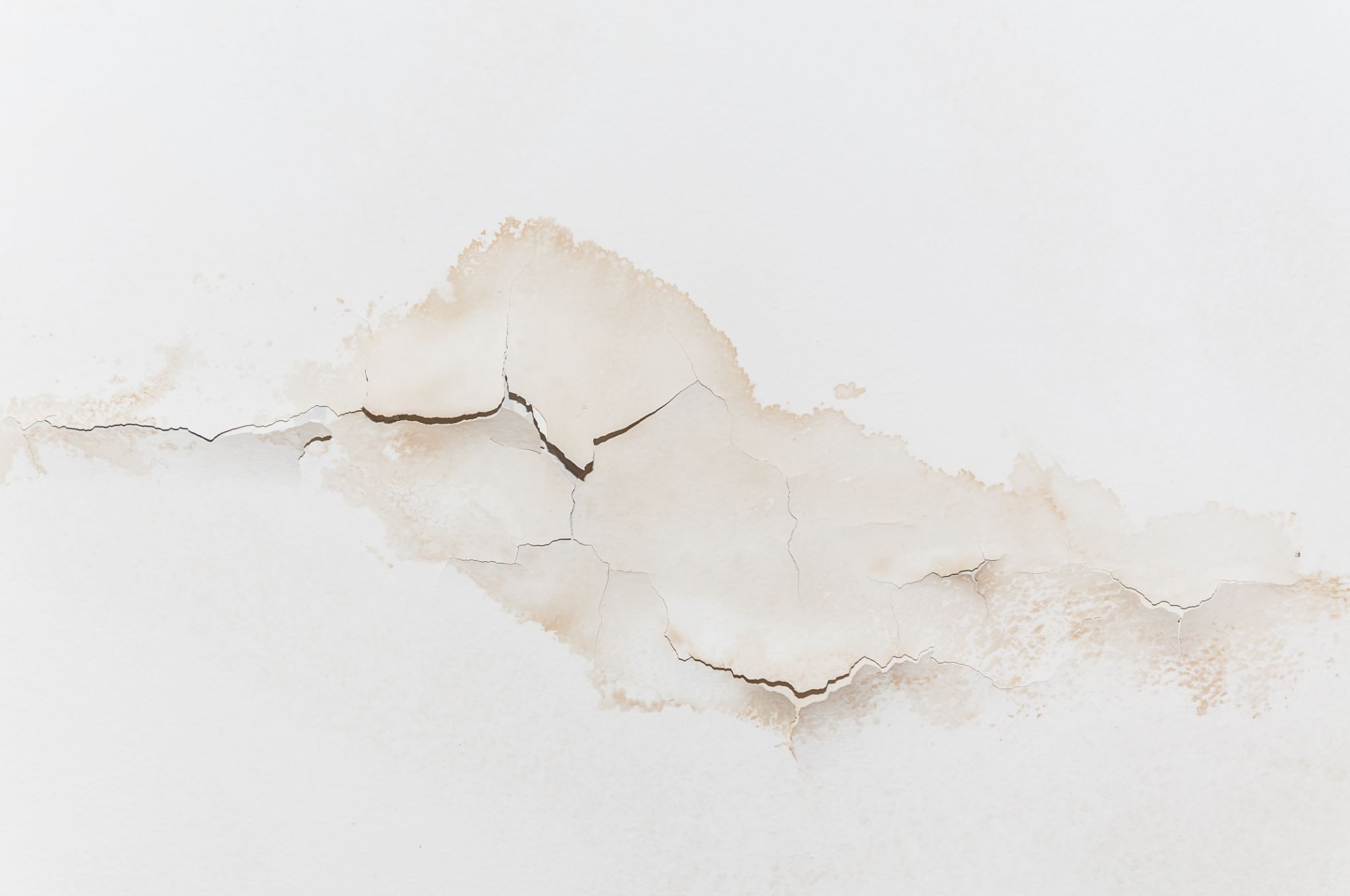
- Ignoring damp baseboards, soft flooring, bubbling paint, or musty odors
- Calling only a plumber and skipping moisture inspection
- Forgetting to ask about sewer backup, sump pump, or flood exclusions
Water damage insurance claim insights
A water damage insurance claim often starts with a few basic questions. Your insurance carrier may ask:
- When did you discover the damage?
- Where did the water appear?
- What area of the home was affected?
- Do you know what caused the water damage?
- Was the water source stopped?
- What steps did you take to prevent more damage?
- Did you call a plumber, restoration company, or other professional?
- Do you have photos, videos, receipts, or inspection notes?
Helpful documentation may include:
- Photos of the affected area
- Videos showing the water source or visible damage
- Receipts for emergency repairs or cleanup supplies
- Plumber notes or invoices
- Water damage restoration documentation
- Moisture readings, if available
- Your claim number and adjuster contact information
- Notes about when you found the damage and what happened next
What to save for your water damage claim
Good documentation clarifies the next steps. Use your phone camera, a notes app, and one folder for receipts, invoices, and claim details.
Save these items when possible:
- Photos of the affected rooms
- Close-up photos of damaged flooring, drywall, cabinets, baseboards, and belongings
- Videos showing visible water, staining, bubbling, warping, or other damage
- Photos of the suspected water source, if you are able to safely access it
- Notes about when you found the damage
- Notes about what you did to stop the water or limit the damage
- Your insurance claim number
- Your adjuster’s contact information
- Plumber notes, invoices, or repair details
- Receipts for emergency repairs, cleanup supplies, or temporary services
- Restoration inspection notes
- Moisture readings, if available
A water damage restoration company helps document affected materials and explain what needs to be dried, removed, cleaned, or repaired.
FAQ
Does home insurance cover water damage from a burst pipe?
Often, yes. If the pipe bursts suddenly and the damage is accidental, your policy may help with cleanup and repairs. Coverage depends on the policy, the cause of the pipe failure, and whether you responded quickly.
Does insurance cover a slow leak?
Usually not. Many policies exclude slow leaks because insurers often treat them as gradual or maintenance-related damage. Ask your carrier how your policy covers water damage.
Is flood damage covered by home insurance?
Standard homeowners’ insurance usually doesn’t cover flooding from outside. Flood damage often requires a separate flood insurance policy.
Should I call insurance or a restoration company first?
If the damage is active or spreading, stop the source if it is safe to do so, then document the damage. Many homeowners call both their insurance company and a water damage restoration team early.
Can restoration help with insurance documentation?
Yes. A restoration team inspects affected materials, takes moisture readings, documents visible damage, and explains the drying plan. They do not decide coverage, but their documentation helps clarify the scope of damage.
Take the next step with Total Flood & Fire Restoration
Water damage coverage can be confusing when you are trying to protect your home and figure out what insurance may handle. Start with the source of the water, document the damage, and act quickly to limit moisture spread. If you need help inspecting, drying, cleaning, or documenting the damage, contact Total Flood & Fire Restoration for practical support with water damage restoration and a clear next step.