An electrical fire leaves your home unsafe even after the flames are out. Stay out until officials clear the property, keep the power off, avoid damaged outlets or appliances, and call a licensed electrician before restoring power. Fire damage restoration then addresses smoke, soot, odor, extinguisher residue, and damaged materials.
Why does electrical fire cleanup need a careful plan?
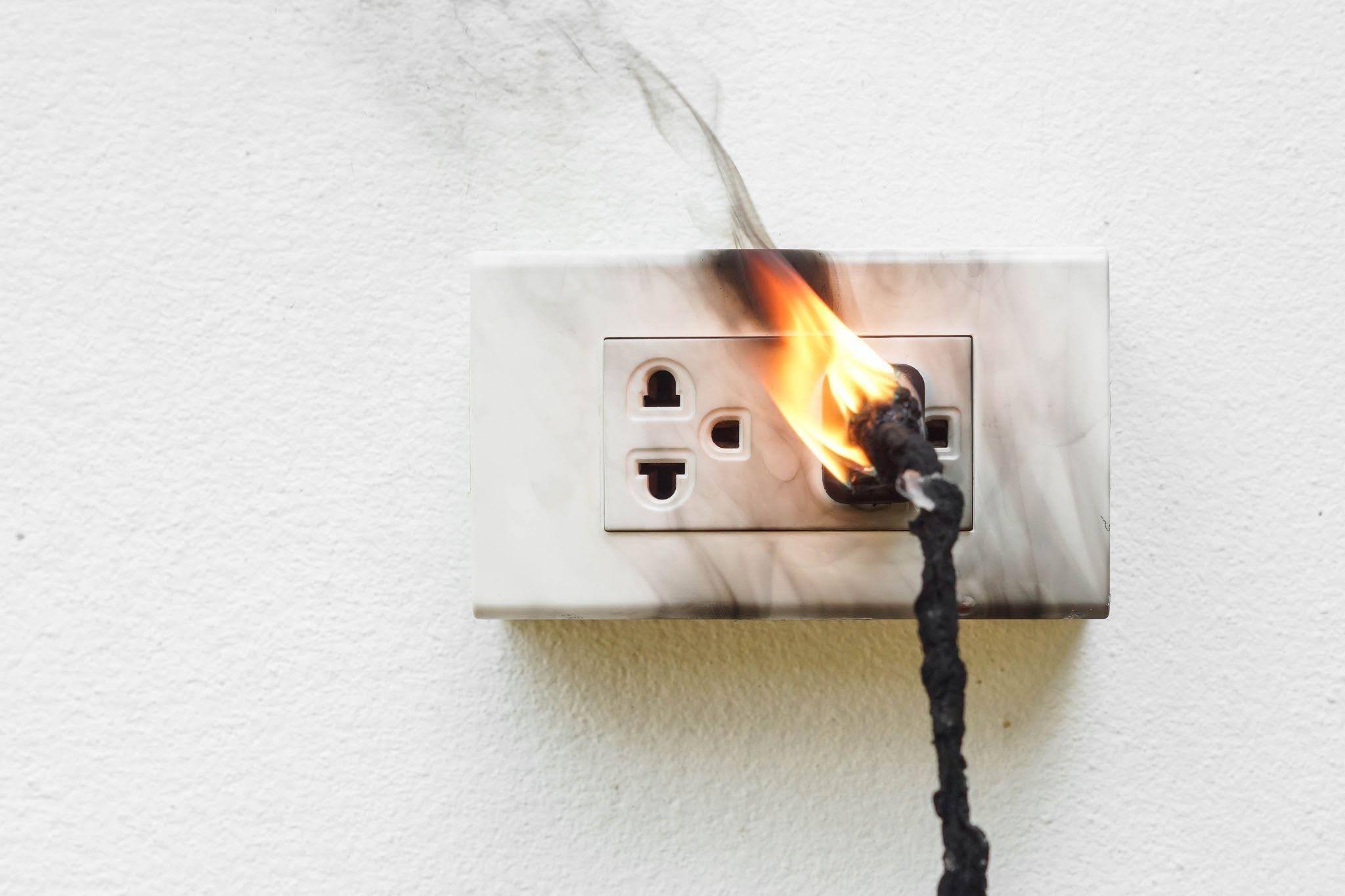
An electrical fire may start in one outlet, appliance, cord, fixture, or breaker panel, but the damage spreads quickly. Heat may affect wiring, while smoke and soot settle on walls, vents, furniture, electronics, and belongings.
Before cleanup or fire damage repair begins, make sure you know what’s safe to handle and what needs professional attention.
What to do first after an electrical fire
If there is active smoke, flame, heat, or uncertainty, call 911 and wait for firefighters or local officials to say it’s safe to re-enter.
Once inside, keep the power off and stay away from affected outlets, switches, cords, appliances, breaker panels, and wet areas. Keep people and pets away from the damage.
If it’s safe, take photos and videos before moving or cleaning anything. Write down when the fire happened, where it started, and what rooms or items were affected. These notes help with insurance, cleanup planning, and electrical fire repair. If smoke, soot, odor, or residue spread beyond the source, contact a fire damage restoration team before cleanup begins.
Areas to avoid until your home is inspected
After an electrical fire, avoid touching or using anything that may have been affected by heat, smoke, soot, water, or extinguisher residue. Leave these areas alone until your home has been inspected:
- Burned outlets or switches: Don’t test them, remove covers, or plug anything in.
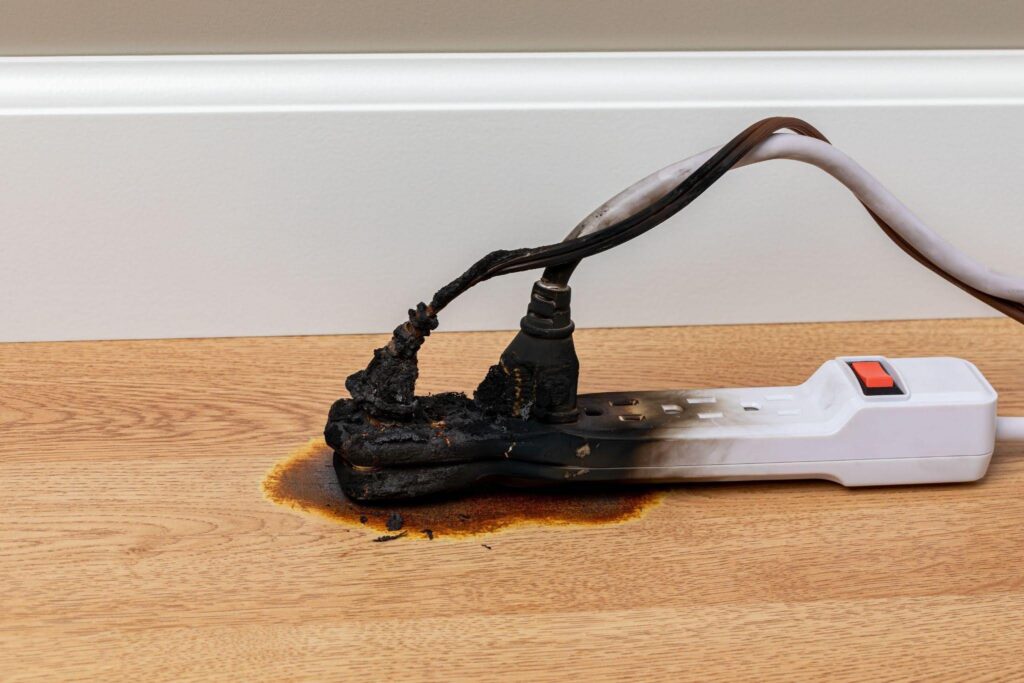
- Melted cords or power strips: Heat may damage the wiring inside the cord, even when only one section looks burned.
- Breaker panels: Don’t reset breakers or restore power until a licensed electrician checks the system.
- Damaged light fixtures: Avoid turning lights on near the fire source.
- Affected appliances: Don’t use appliances connected to the damaged outlet, circuit, or area.
- Electronics near the fire: Smoke and soot settle inside TVs, computers, chargers, and small devices.
- Wet or residue-covered areas: Water and extinguisher residue pose additional concerns for electrical components.
- Soot-covered surfaces: Avoid wiping walls, cabinets, electronics, or appliances without guidance. Soot smears, stains, and pushes deeper into porous materials.
Fire damage restoration professionals inspect the affected areas and use cleaning methods based on the surface, residue, and level of damage.
Why an electrician should inspect the system
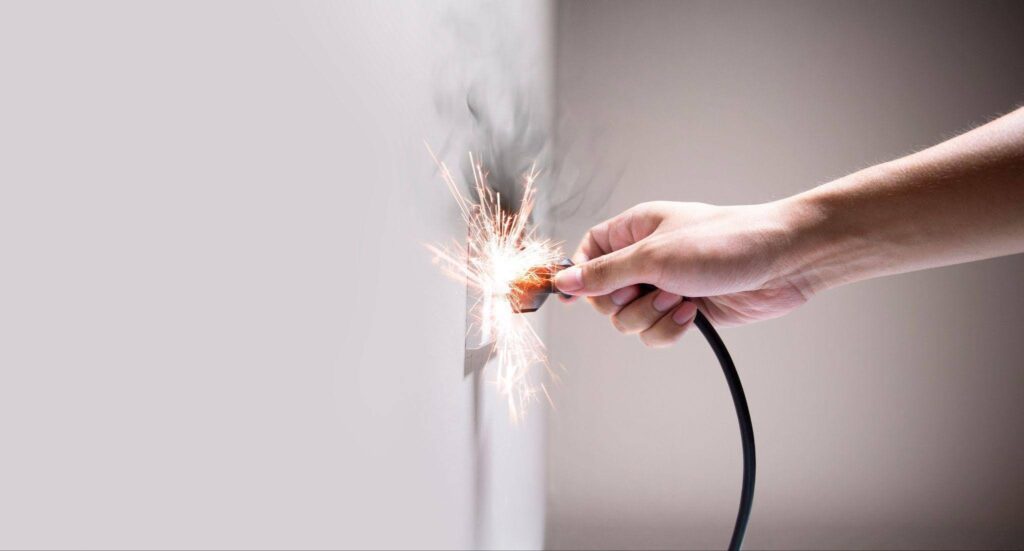
A licensed electrician should inspect the electrical system before anyone turns the power back on. An electrical fire may affect wiring, outlets, breakers, fixtures, appliances, and nearby circuits.
The electrician can identify the source of the problem, repair or replace damaged components, and confirm when the system is safe to use again. This should happen before cleanup starts near the affected electrical area.
What fire damage restoration includes
After the electrical system has been inspected, fire damage restoration addresses the smoke, soot, odor, extinguisher residue, burned debris, stained surfaces, and damaged materials left behind.
Smoke and soot often spread beyond the fire source. A small appliance fire may leave residue on cabinets, walls, vents, flooring, furniture, electronics, and belongings.
A restoration team inspects affected areas, cleans surfaces, removes debris, addresses odors, documents visible damage, and identifies materials that may need replacement.
Signs the damage is bigger than it looks
A small burn mark doesn’t always show the full extent of the damage. Watch for warning signs that smoke, heat, soot, or residue spread through your home.
Common signs include:
- Lingering smoke odor
- Soot on walls, ceilings, vents, cabinets, or belongings
- Melted plastic smell
- Scorch marks near outlets, switches, or appliances
- Tripped breakers or flickering lights
- Warm outlets or buzzing sounds
- Fire extinguisher residue across the room
- Staining or odor in nearby spaces
These signs may indicate hidden damage, smoke movement, or residue that requires professional cleaning. If you notice them, fire damage restoration should be part of the recovery plan.
What to do with appliances and electronics
Don’t use appliances or electronics that were involved in the fire, are connected to the affected circuit, are exposed to soot, or have been sprayed with extinguisher residue. Even if the outside looks fine, smoke residue settles inside devices, and heat damage internal parts.
Pay close attention to the following items:
- TVs and computers
- Chargers and power strips
- Microwaves and small appliances
- Lamps and light fixtures
- Anything with a melted or damaged cord
Document affected items before moving them. Then ask your electrician, restoration team, or insurance adjuster what should be inspected, cleaned, replaced, or discarded.
What to document for insurance
Good documentation helps show what happened and what was affected. Before cleanup begins, document the following:
- The affected room: Take photos and videos from several angles.
- The suspected source: Capture outlets, appliances, cords, fixtures, or panels involved in the fire.
- Visible damage: Include soot, scorch marks, burned materials, extinguisher residue, and smoke staining.
- Damaged belongings: Photograph furniture, electronics, clothing, documents, and other affected items.
- Receipts and notes: Save records for emergency services, lodging, supplies, inspections, repairs, and cleanup.
Try not to throw away damaged items before documenting them unless they create a safety concern. Fire damage restoration teams also help identify affected materials during cleanup.
Common mistakes to avoid after an electrical fire
After an electrical fire, avoid mistakes that create safety risks or make damage harder to document:
- Turning the power back on too soon: Damaged wiring or equipment may still be unsafe.
- Using affected outlets or appliances: Wait until a licensed electrician inspects the area.
- Cleaning soot incorrectly: Soot smears, stains, and spreads when handled improperly.
- Throwing items away too quickly: Document damaged belongings and materials before disposal, unless they pose a safety risk.
- Assuming the damage is limited: Smoke, soot, heat, and extinguisher residue spread beyond the source.
- Ignoring smoke odor: Lingering odor may point to residue in walls, vents, carpet, or furniture.
- Treating repairs as DIY: Leave inspections, electrical fire repair, soot cleanup, and odor removal to trained professionals.
FAQ
Can I clean up after an electrical fire myself?
Document visible damage, keep people away from the affected area, and make notes for insurance. Avoid electrical components, soot-heavy areas, damaged appliances, smoke-damaged electronics, and extinguisher residue until professionals inspect the damage.
Do I need an electrician after a small electrical fire?
Yes. Even a small electrical fire can affect outlets, wiring, breakers, fixtures, or connected appliances. A licensed electrician should inspect the system before anyone restores power or uses the affected area again.
How do I get the smoke smell out after an electrical fire?
Smoke odor settles into walls, carpet, furniture, vents, clothing, and belongings. Cleaning may involve surface treatment, deodorizing, ventilation, and removal of materials that have absorbed excessive residue.
What does electrical fire repair include?
Electrical fire repair may include electrical inspection, replacement of damaged wiring, outlet or breaker replacement, appliance evaluation, soot cleanup, odor removal, and repair planning.
Get help from Total Flood & Fire Restoration after an electrical fire
Don’t rush back into normal use after a fire. Start with safety, keep the power off, document the damage, and have a licensed electrician inspect the system. Once the electrical hazard has been addressed, fire damage restoration helps with smoke, soot, odor, residue, damaged materials, and cleanup.
If your home has been damaged by an electrical fire, contact Total Flood & Fire Restoration for practical help with cleanup, restoration, and the next steps toward recovery.