The most common causes of house fires include cooking, heating equipment, electrical problems, smoking materials, candles, dryers, and appliances. Many fire hazards come from everyday routines. A strong fire safety plan reduces risk, and a fast cleanup helps limit fire damage if a fire happens.
House fires often start with everyday risks
House fires often start with normal routines. A hot pan gets left alone. A space heater sits too close to the bedding. A damaged cord keeps getting used. These risks feel small until heat, fuel, and time come together. Understanding common home fire hazards helps you prevent problems and respond quickly if fire damage occurs.
What causes most house fires?
Most house fires start when an everyday heat source comes into contact with something that burns, such as grease on a stove, lint in a dryer vent, bedding near a heater, or paper too close to a candle.
According to the National Fire Protection Association, most home fires and fire-related casualties occur in the kitchen, heating equipment, electrical distribution and lighting equipment, intentional fire setting, and smoking materials. Cooking was the leading cause of home fires and home fire injuries from 2019 to 2023.
Prevention works best when you focus on the places where heat, electricity, flames, and combustible materials meet. The goal is simple: watch for warning signs, reduce fire hazards in the home, and build a fire safety plan before an emergency happens.
Cooking fires
Cooking is one of the most common causes of house fires because kitchens combine heat, grease, food, paper, cloth, cabinets, and distractions. A pan overheats quickly, and towels, packaging, or oven mitts catch fire when they sit too close to a burner.
The biggest cooking fire risks include:
- Leaving food unattended on the stove
- Cooking with too much grease or oil
- Keeping towels or packaging near burners
- Wearing loose sleeves while cooking
- Forgetting to turn off burners or ovens
- Letting clutter build up around the cooktop
To reduce risk, stay in the kitchen when frying, grilling, or broiling. Keep anything that burns away from the stove, turn pot handles inward, and keep a lid nearby for small grease fires. Never pour water on a grease fire.
Heating equipment
Heating equipment becomes a fire risk because it produces steady heat for long periods. Space heaters, fireplaces, furnaces, and wood stoves pose a risk when placed too close to furniture, bedding, curtains, rugs, clothing, or stored items.
Space heaters need extra attention because people move them from room to room. A safe spot in one room may become risky near bedding, under a desk, or beside curtains.
Good heating safety habits include:
- Keep portable heaters at least 3 feet from anything that burns.
- Plug space heaters directly into wall outlets.
- Turn portable heaters off before leaving the room or going to sleep.
- Use a fireplace screen.
- Let ashes cool fully before throwing them away.
- Have chimneys, fireplaces, and heating systems checked and cleaned as needed.
Electrical problems
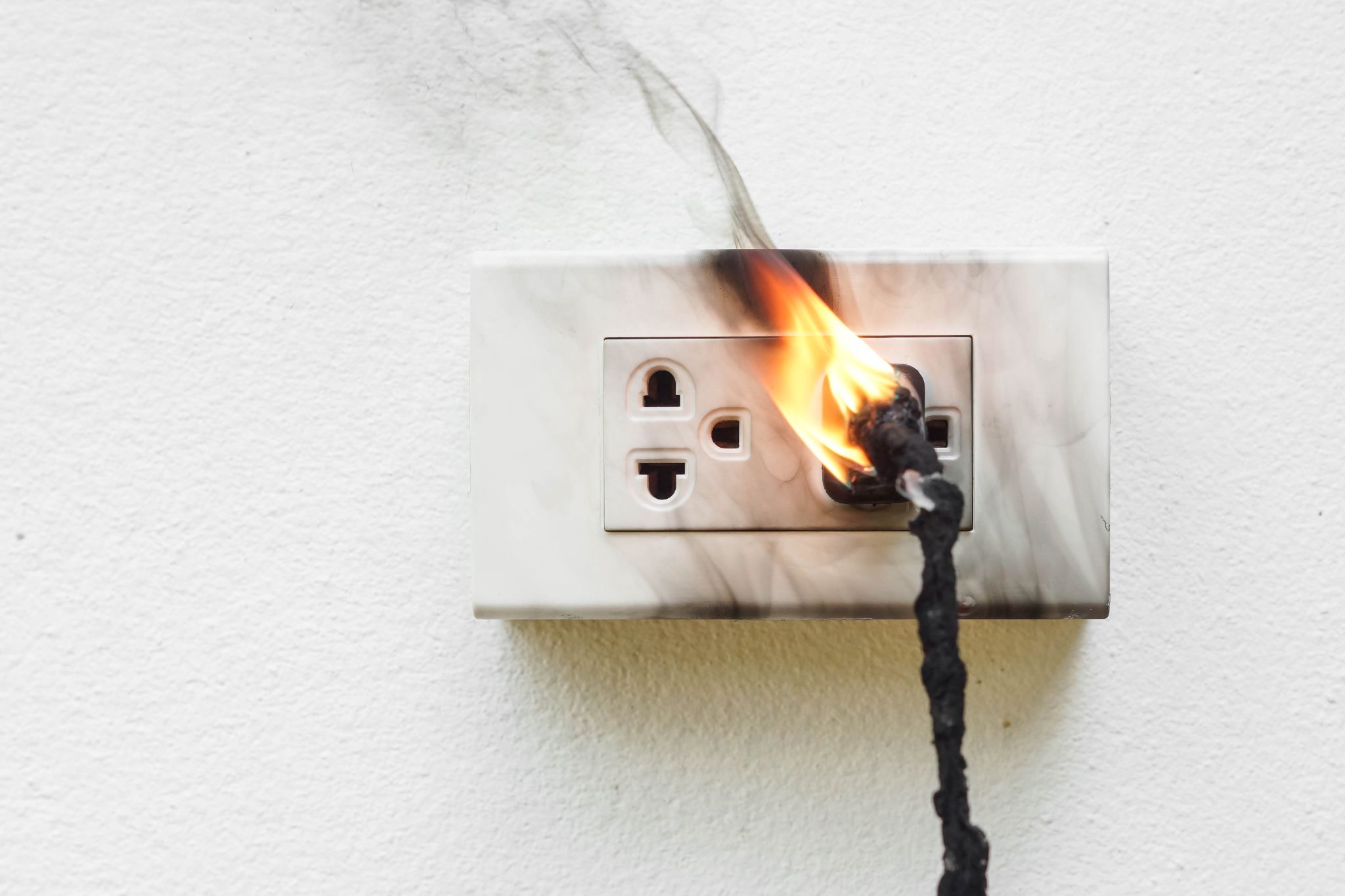
Electrical fires start when wiring, cords, outlets, panels, or appliances overheat. They are harder to spot because heat may build up behind walls, inside outlets, or inside equipment before smoke or flames appear.
Common risks include overloaded outlets, damaged cords, loose connections, old wiring, long-term use of extension cords, and malfunctioning appliances. Watch for:
- Warm or discolored outlets
- Flickering lights
- Frequent breaker trips
- Burning plastic smells
- Sparks when plugging in devices
- Damaged or frayed cords
- Buzzing near outlets or switches
If you notice these signs, stop using the affected outlet, cord, or appliance. A qualified electrician inspects the source and addresses electrical fire hazards early, reducing the risk of fire damage later.
Smoking materials
Smoking materials start fires because embers stay hot even when they look nearly out. Cigarettes, cigars, ashes, and matches ignite bedding, furniture, trash, dry leaves, planters, or balcony materials.
These fires often start when someone smokes while tired, throws smoking materials away too soon, or leaves ashes near combustible materials. To reduce risk:
- Never smoke in bed.
- Avoid smoking when drowsy.
- Use deep, sturdy ashtrays.
- Wet ashes before throwing them away.
- Keep smoking materials away from furniture, bedding, trash, and oxygen equipment.
- Keep lighters and matches out of reach of children.
Smoking safety should also be part of a fire safety plan, especially in homes where guests or family members smoke.
Candles and open flames
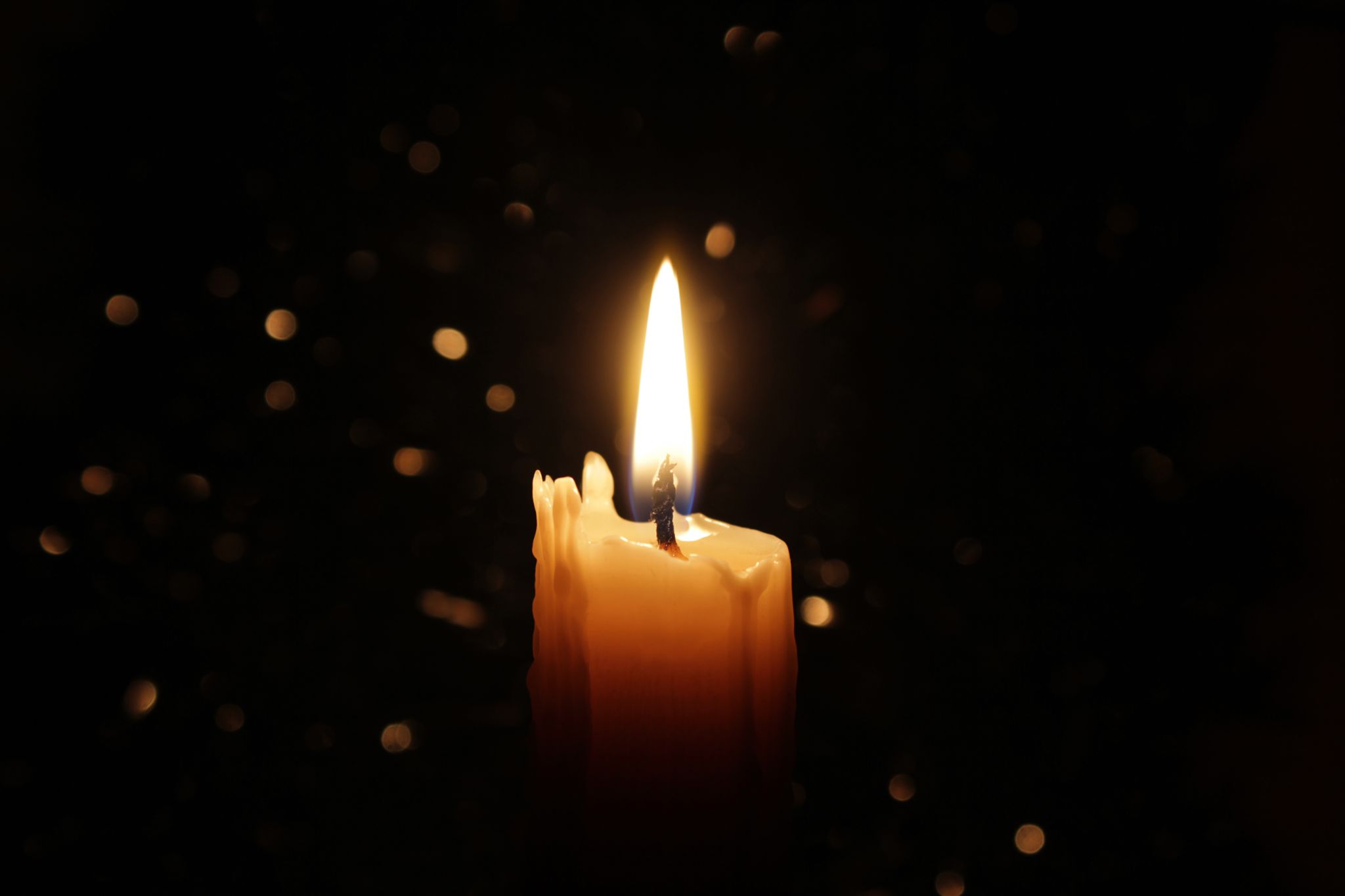
Candles and open flames can quickly start a fire when something nearby shifts, falls, or catches fire. Curtains, bedding, decorations, paper, books, and clothing ignite if they come into contact with a flame.
Open-flame risks often increase during holidays, power outages, parties, and colder months. Candles in bedrooms and bathrooms also create risk because people may leave the room or fall asleep before blowing them out.
Simple prevention steps include:
- Blow out candles before leaving a room.
- Keep candles away from curtains, bedding, paper, and decorations.
- Place candles on flat, sturdy surfaces.
- Keep matches and lighters out of reach of children.
- Use flameless candles in bedrooms, bathrooms, and busy areas.
Candles remain a common fire hazard in the home because people often underestimate how much space a flame needs.
Dryers and appliances
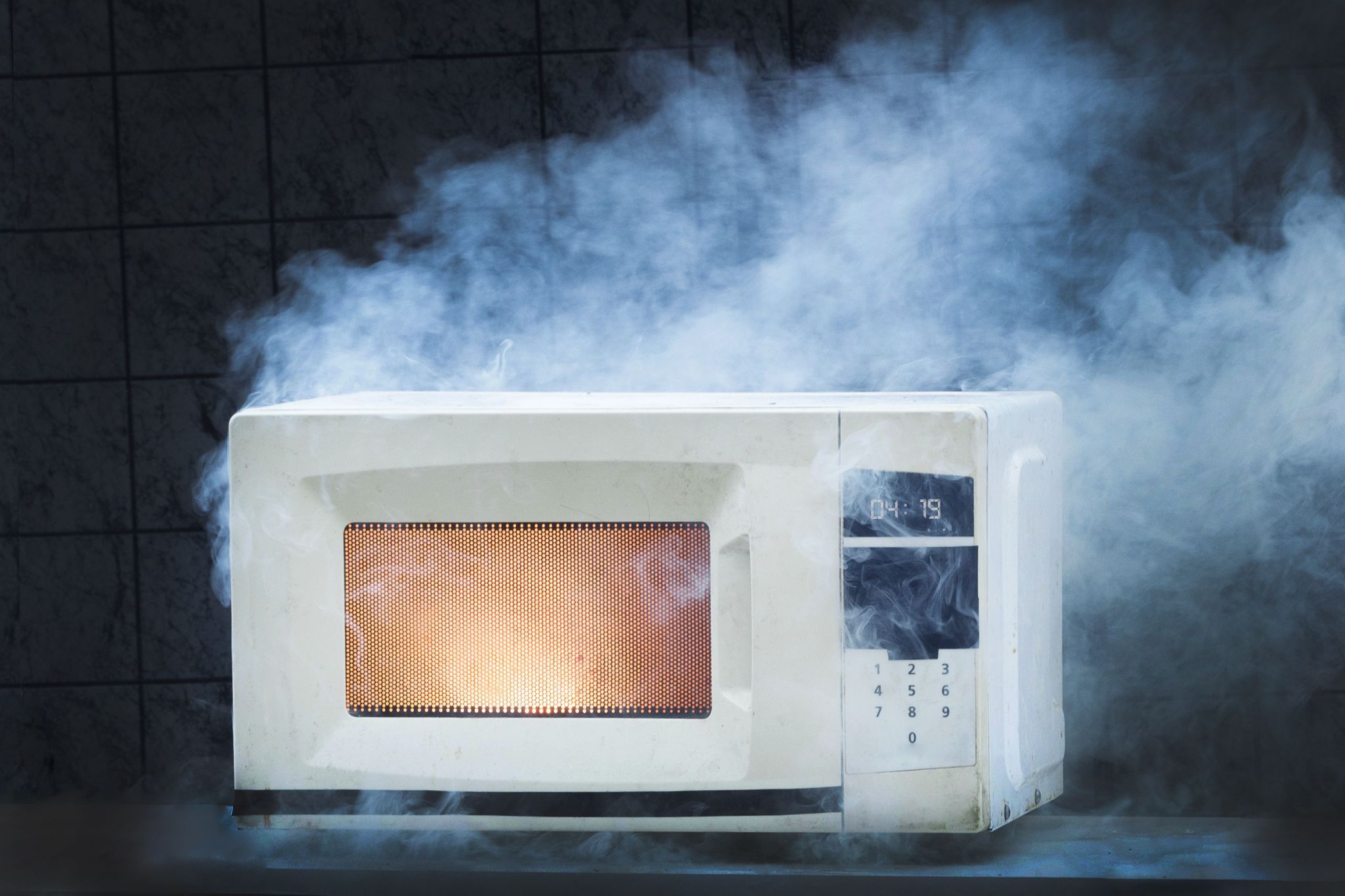
Dryers, ovens, microwaves, dishwashers, refrigerators, and small appliances create fire risk when parts fail, vents clog, or heat builds up. Dryers need extra attention because lint collects easily, restricting airflow.
A clogged dryer vent makes the appliance run hotter than it should. Damaged cords, failed parts, or ignored warning signs can also cause other appliances to overheat.
Good appliance safety habits include:
- Clean the dryer lint trap after every load.
- Clean the dryer vent regularly.
- Don’t run the dryer when you leave home or go to sleep.
- Stop using appliances that spark, smoke, smell hot, or make unusual sounds.
- Follow the manufacturer’s use and maintenance instructions.
- Replace damaged cords instead of taping or bending them back into use.
These steps help reduce the chance of fire damage from a preventable appliance problem.
How to prevent common house fires
A few simple habits can lower the risk of common house fires:
- Stay near active cooking.
- Keep towels, paper, curtains, bedding, and clutter away from heat.
- Replace damaged cords.
- Avoid overloaded outlets and power strips.
- Clean dryer lint traps and vents.
- Test smoke alarms monthly.
- Keep fire extinguishers accessible.
- Store matches and lighters safely.
- Teach everyone what to do during an emergency.
A fire safety plan should include working smoke alarms, clear escape routes, an outdoor meeting place, emergency contacts, and steps for anyone who may need help. Practice it before an emergency happens.
It also helps to check each room for fire hazards. Small issues are usually easier to fix before they lead to damage.
What to do if fire damage happens
After a fire, damage may spread beyond the burned area. Smoke moves through rooms and vents, soot settles on surfaces and belongings, and firefighting water soaks drywall, flooring, insulation, and other materials.
Once everyone is safe, wait until officials say you can enter. Document visible damage with photos and notes, avoid throwing away damaged materials before documentation unless there’s a safety concern, and don’t wipe heavy soot without guidance.
Professional fire damage cleanup identifies affected areas and creates a practical plan for smoke, soot, odor, water, drying, and repairs.
FAQ
What is the number one cause of house fires?
Cooking is the number one cause of home fires. Many kitchen fires start when food is left unattended or combustible materials sit too close to the stove.
How do I make a fire safety plan?
A fire safety plan should include working smoke alarms, escape routes, an outdoor meeting place, emergency contacts, and steps for anyone who may need help. Review and practice it regularly.
Can a small fire still cause serious damage?
Yes. A small fire leaves behind smoke, soot, odor, and water damage. Even if flames stay in one area, fire damage may spread through nearby rooms, vents, and materials.
When should I call a restoration company after a fire?
Call when smoke, soot, odor, water, or burned materials extend beyond a small area. A restoration company assesses affected materials and guides cleanup, drying, and repairs.
Protect your home with Total Flood & Fire Restoration
Most house fires start from everyday sources, including cooking, heating equipment, electrical problems, smoking materials, open flames, dryers, and appliances. The best protection starts with identifying fire hazards in the home and creating a fire safety plan before an emergency.
If a fire has already caused smoke, soot, odor, water damage, or visible fire damage, contact Total Flood & Fire Restoration for a closer look and a practical restoration plan.