Who is responsible for water damage in an apartment usually depends on what caused the water, who controlled the source, how quickly the issue was reported, and what the lease and insurance policies say. Landlords usually handle building repairs, renters usually handle belongings, and the person who caused the damage may be responsible for the loss.
Water damage creates urgent questions
Apartment water damage spreads fast, whether it starts in your ceiling, carpet, plumbing, or another unit. Most renters want to know what to do first and who has to pay. Responsibility usually depends on the source, the lease, insurance coverage, and how quickly the issue was reported.
What determines responsibility for apartment water damage?
Who is responsible for water damage in an apartment usually depends on the cause, who controlled the source, how quickly it was reported, and what documentation shows.
Start with where the water came from: a broken pipe, roof leak, upstairs unit, overflowing fixture, appliance, sewage backup, or outside flooding. Once the source is clear, responsibility is easier to sort out.
In general:
- The landlord usually handles the apartment structure, including walls, ceilings, floors, cabinets, plumbing, and building systems.
- Renters’ insurance usually handles personal belongings after a covered loss.
- The person or party that caused the damage may be responsible for the loss.
Report water damage quickly, preferably in writing, and document what happened. Delayed reporting makes assigning responsibility more difficult.
What landlords usually handle
Landlords usually handle water damage tied to the apartment structure or building systems, such as plumbing inside walls, roof leaks, ceilings, drywall, flooring, cabinets, and trim. If a pipe bursts and the renter didn’t cause it, the landlord or property manager typically handles the repair, drying, and cleanup. Report the issue in writing and save photos, texts, emails, and maintenance requests.
What renters insurance usually covers
Renters’ insurance usually helps cover personal belongings after a covered water damage loss. It may help cover the cost of damaged furniture, clothing, electronics, rugs, and other personal items resulting from covered apartment water damage.
Some policies also cover temporary housing if the apartment becomes unlivable. Liability coverage may apply if you accidentally damage another unit, but exclusions often apply. Contact your insurer to find out what your policy covers.
When tenants may be responsible
Tenants may be responsible when their actions, delay, or negligence caused the water damage. That doesn’t mean every leak is the renter’s fault. It means the cause and response need to be reviewed.
A tenant may be responsible for water damage if they:
- Overflowed a tub, sink, or toilet
- Misused an appliance
- Damaged plumbing or fixtures
- Ignored a known leak
- Failed to report spreading moisture
- Let a guest cause damage
- Violated lease terms tied to maintenance or appliance use
Who is responsible for water damage in an apartment also depends on timing. If a renter reports a leak promptly and takes reasonable steps to limit damage, it helps show they acted responsibly. If the renter notices a leak and waits while water spreads into floors, walls, or another unit, the landlord or insurer may look at the delay more closely.
Common apartment water damage scenarios
Different causes create different responsibility questions. These common apartment water damage situations show why finding the source matters.
Leak from the apartment above
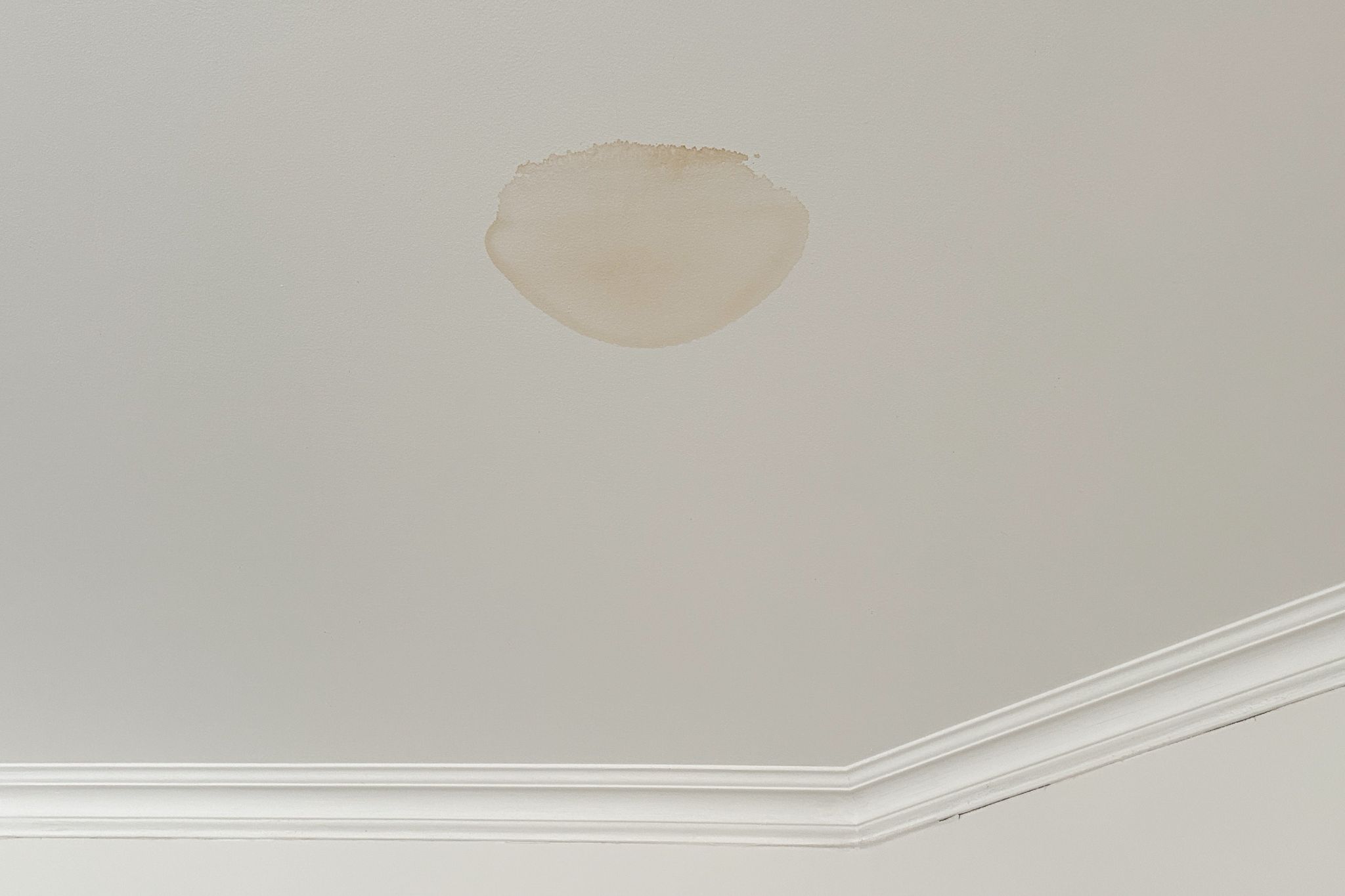
If water leaks through your ceiling, notify your landlord or property manager right away. The source may be plumbing, an overflowing fixture, an appliance leak, or the upstairs tenant’s actions. Move belongings if it’s safe, then take photos of the leak, damage, and messages you send.
Burst pipe inside the wall
A burst pipe inside a wall usually points to a building issue, especially if the tenant didn’t cause it. The landlord or property manager typically handles the pipe repair and affected building materials. Water damage restoration may still be needed to dry hidden areas.
Toilet or bathtub overflow
An overflow may point to the tenant’s responsibility if the renter caused it or waited to respond. If a plumbing failure caused the overflow, responsibility may shift. The cause, spread, and timing all count.
Appliance leak
Responsibility may depend on who owns the appliance and why it leaked. A landlord-owned appliance may fall under the property owner’s repair duties. A tenant-owned appliance may point back to the tenant if misuse or poor maintenance caused the leak.
Roof leak or storm-related water
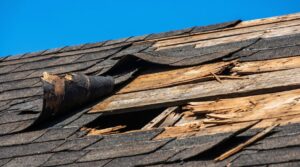
Roof leaks usually involve the building, so the landlord typically handles structural repairs. Renters’ insurance may help with damaged belongings. Outside flooding may require separate flood coverage.
Sewage backup
A sewage backup needs fast attention because the water may be contaminated. Avoid affected areas, report it immediately, and ask who will arrange professional cleanup.
What to do after water damage in an apartment
The first steps after water damage help limit the spread and protect your claim.
- Stop the water safely if you can do so.
- Report the damage to your landlord or property manager in writing.
- Take photos and videos before cleaning or moving items.
- Move belongings away from wet areas if it’s safe.
- Save damaged belongings until they’re documented.
- Contact renters’ insurance.
- Ask who will handle drying, cleanup, and repairs.
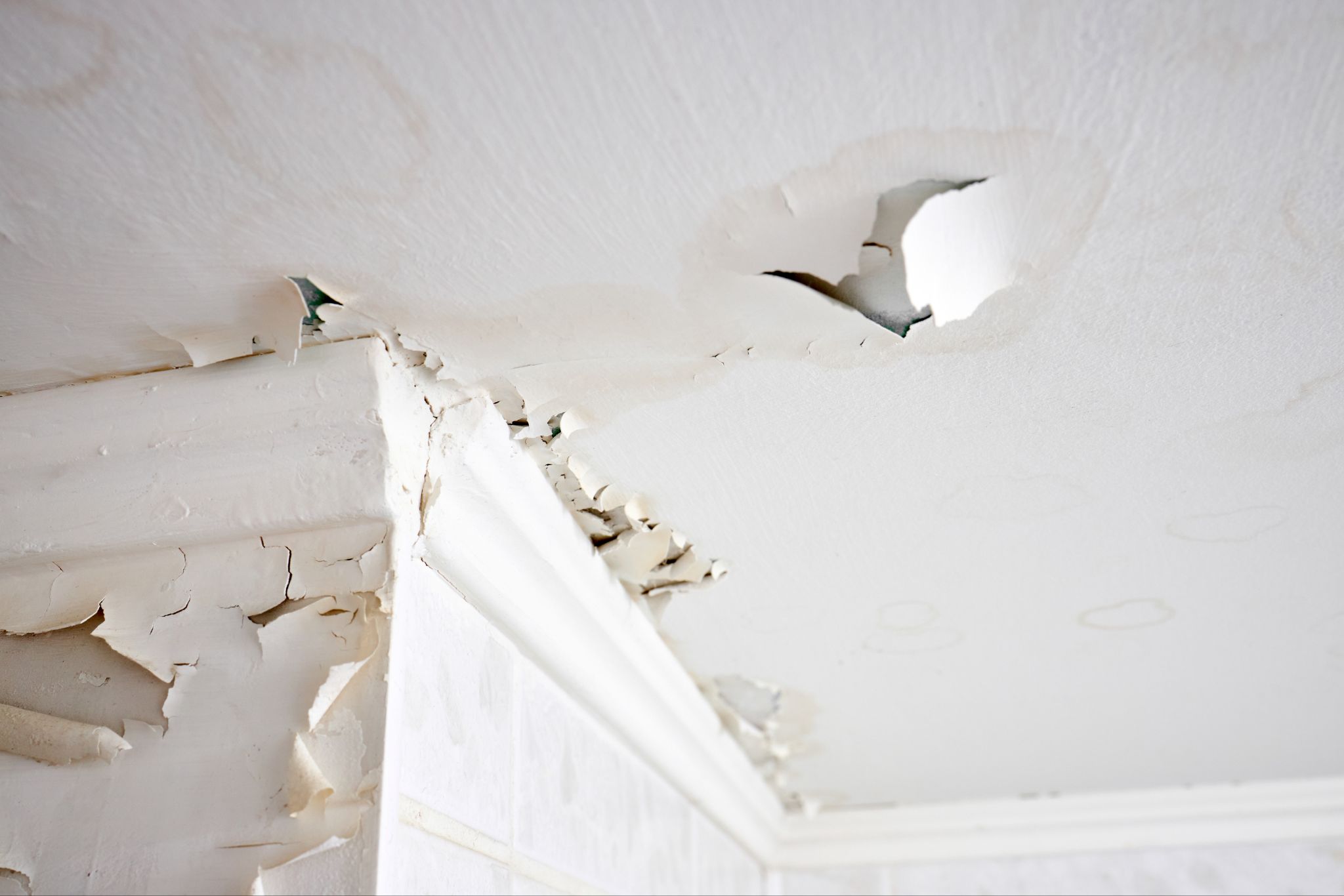
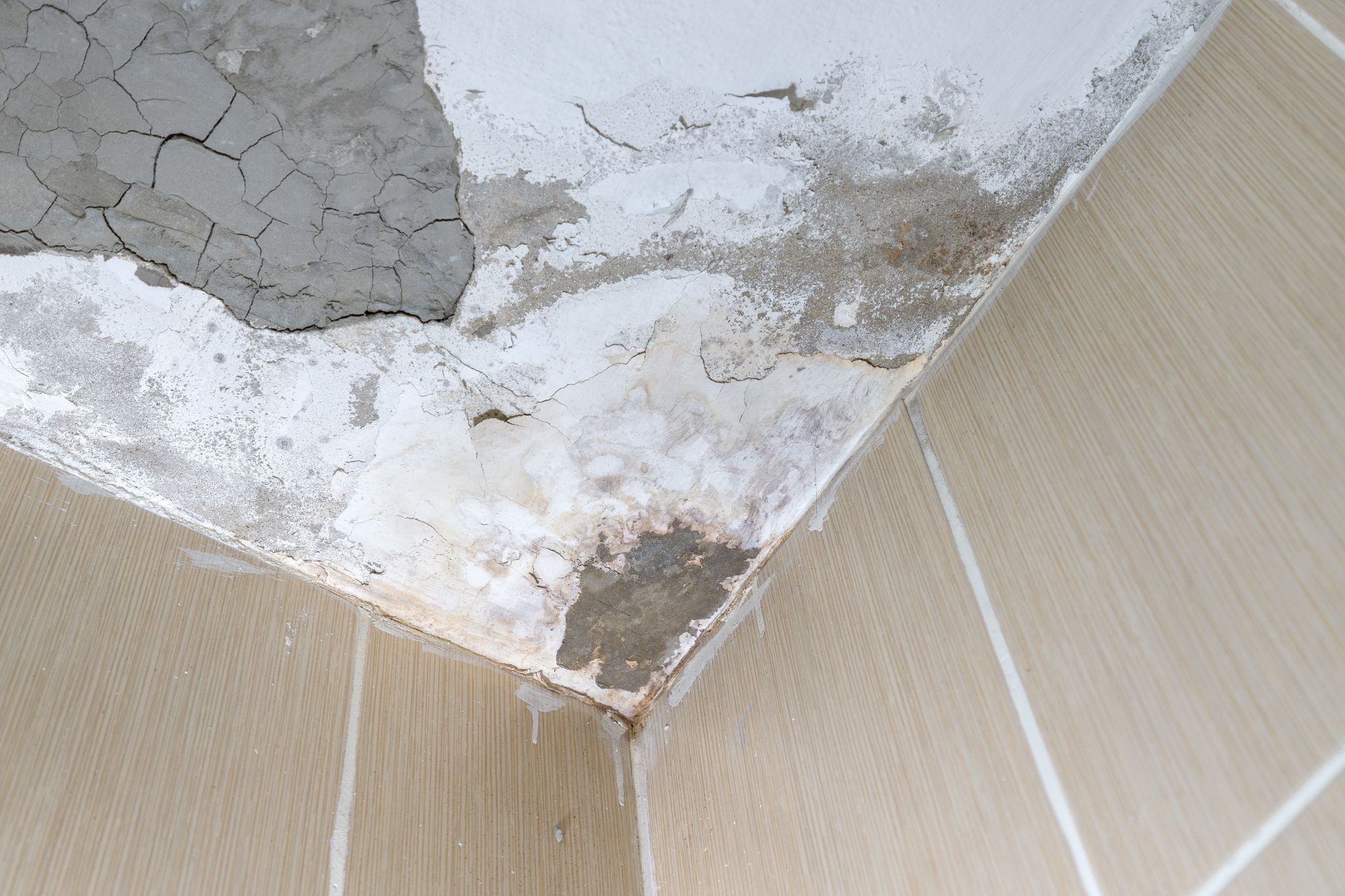
- Watch for staining, odors, soft drywall, wet carpet, bubbling paint, or spreading moisture.
- Call for help if the damage affects more than a small surface area.
Documentation helps show what happened and when you reported it. Keep records of the water source, wet walls or floors, damaged belongings, emails, texts, maintenance requests, insurance claim details, and receipts for temporary expenses.
When to call for water damage restoration
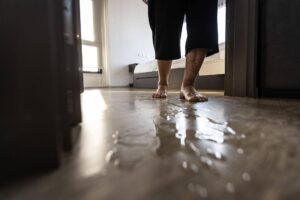
Fixing the leak doesn’t always dry the apartment. Moisture remains behind walls, under flooring, inside carpet padding, and beneath cabinets.
Call for water damage restoration if water is spreading, carpet is wet, drywall feels soft, a ceiling is stained or sagging, sewage is involved, or the apartment isn’t drying quickly. Total Flood & Fire Restoration helps with extraction, drying, cleanup, and next steps.
FAQ
Does renters’ insurance cover water damage to the apartment?
Usually, no. Renters insurance typically covers your belongings after a covered loss, while the landlord or property owner handles walls, floors, ceilings, plumbing, and cabinets.
Who pays if my upstairs neighbor causes water damage?
It depends on the source. The landlord, upstairs tenant, an insurance company, or more than one party may be involved. Report it, document the damage, and contact your insurer.
Can my landlord charge me for water damage?
A landlord may charge you if you caused the damage, ignored the issue, or violated the lease. Clear documentation helps show what happened and when you reported it.
Is the landlord responsible for water-damaged carpet?
Often, yes, if the carpet is part of the apartment and the water came from a building issue. Responsibility may change if the tenant caused the damage or delayed reporting.
When should I call a water damage restoration company?
Call when water affects carpet, drywall, ceilings, cabinets, trim, or electrical areas, or when sewage, odors, spreading moisture, or lingering dampness are involved.
Who is responsible if the source is unknown?
The landlord or property manager usually needs to investigate. Document the damage, report it in writing, protect your belongings, contact the renters’ insurance provider, and ask who will handle the cleanup.
Total Flood & Fire Restoration helps with the next step
Responsibility depends on the cause, source, reporting, lease, and insurance coverage. Usually, the landlord handles the building, renters’ insurance handles belongings, and the person who caused the damage may be responsible.
If apartment water damage has reached floors, walls, ceilings, or cabinets, contact Total Flood & Fire Restoration for water damage restoration and cleanup.