Sewage damage cleanup removes contaminated water, sanitizes affected areas, and helps restore a safe living environment after a sewage backup. Because sewage-contaminated water exposes your home to harmful bacteria, viruses, and other hazards, homeowners should act quickly and use professional water damage restoration services to limit damage and reduce health risks.
Why sewage backup cleanup needs a professional response
Sewage backup is one of the most stressful types of property damage a homeowner faces. It is messy, disruptive, and potentially hazardous from the moment it starts. Unlike a clean-water leak, this type of loss affects flooring, drywall, belongings, and indoor air quality simultaneously.
Homeowners need a process that addresses contamination, removes damaged materials when necessary, and supports safe water damage restoration from start to finish. When you understand what happens during cleanup and what steps matter most, the situation becomes easier to manage.
What sewage damage cleanup involves and why it matters
Sewage damage cleanup removes contaminated water, sanitizes affected materials, dries the structure, and restores the property to a safe condition. Unlike a normal water loss, a sewage backup involves both contamination and moisture, which means the job requires more than basic drying or surface cleaning.
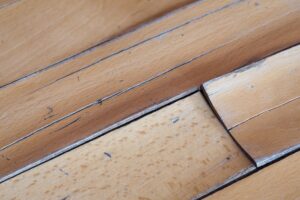
A sewage backup affects flooring, drywall, cabinets, insulation, and personal belongings. Even after a professional removes the visible water, the property may still need water damage restoration to dry hidden moisture and address damaged materials. In short, sewage losses create both sanitation and structural moisture problems.
How sewage cleanup and restoration work
When professionals handle sewage damage cleanup, they usually follow a careful, structured process to protect the home and limit health risks.
Stop the source if possible
If the sewage backup is still active, the priority is to stop more contaminated water from entering the home. This may involve shutting off water use, identifying the cause, or coordinating with a plumber.
Secure the area
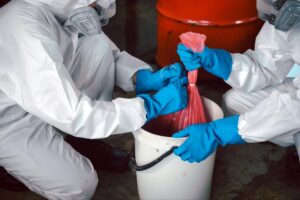
The team limits exposure by keeping people and pets out of the affected space and using protective measures where needed. This helps reduce contact with contaminated water and damaged materials.
Inspect affected materials
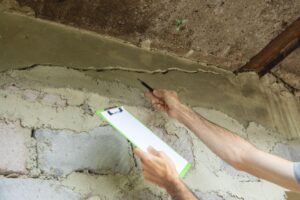
Professionals assess where the sewage reached, what materials were affected, and how far moisture has spread beyond the visibly wet area. This step shows you what needs cleaning and what you may need to remove.
Extract contaminated water and waste
The team removes sewage-contaminated water as quickly as possible to reduce further spread and begin the cleanup process.
Remove unsalvageable materials
In many cases, the team cannot safely restore contaminated carpet, padding, drywall, insulation, or other porous materials. Removing them helps prevent ongoing contamination and odor issues.
Clean, sanitize, and deodorize
Sewage damage cleanup requires more than water removal. The area also needs targeted cleaning, sanitation, and odor treatment to help restore a safer indoor environment.
Dry the structure
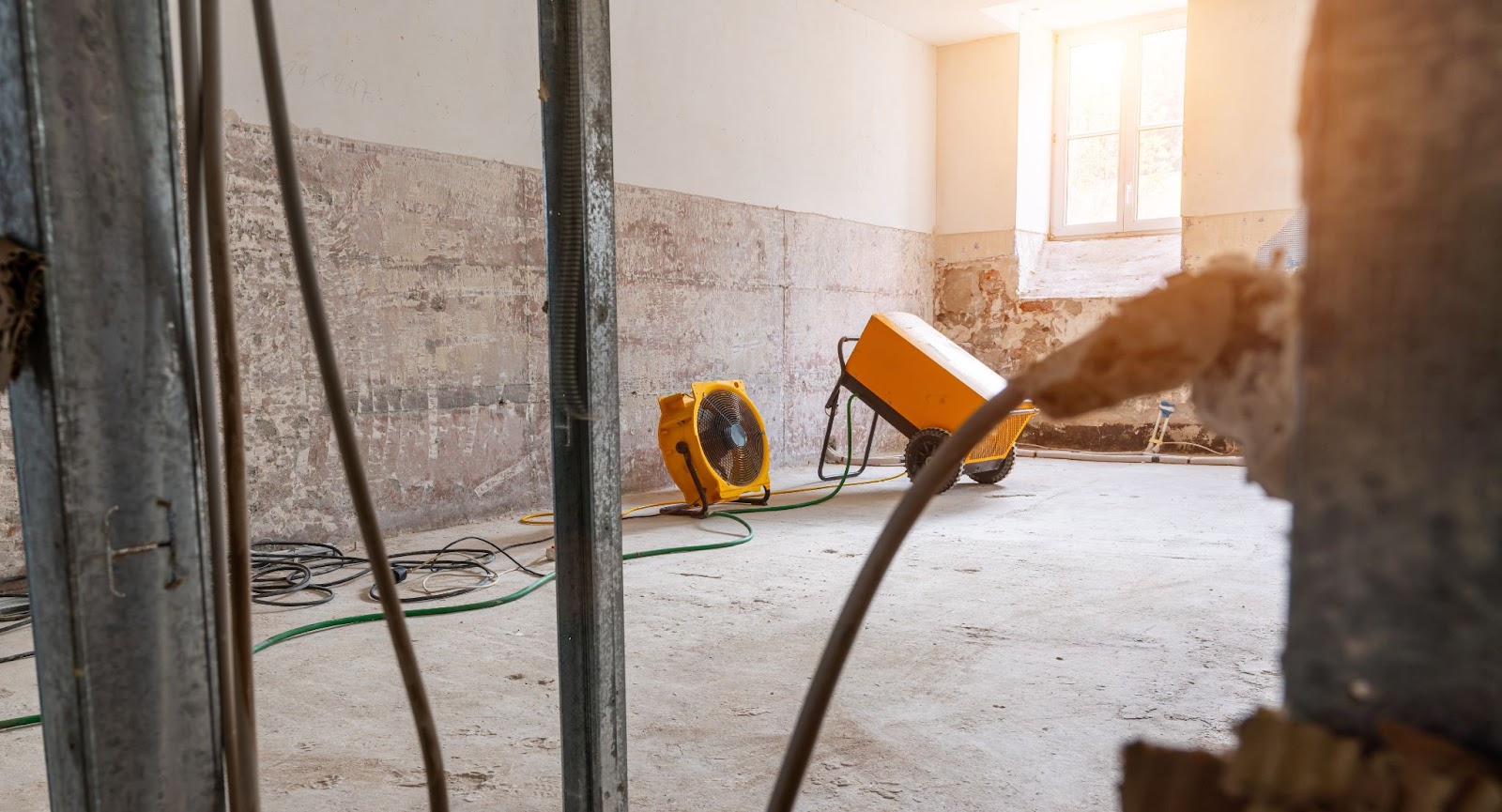
After cleaning, the team uses professional drying equipment as part of the water damage restoration process. This helps remove moisture left behind in floors, walls, and other structural materials.
Monitor moisture levels
Moisture meters and regular checks help the team confirm that the structure is drying correctly and identify hidden moisture.
Complete repairs and final restoration
Once the space is dry and safe, the team proceeds with any necessary repairs, rebuilding, or final restoration work.
Common situations that lead to sewage damage
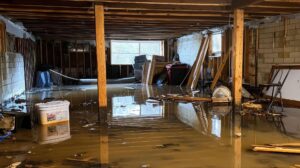
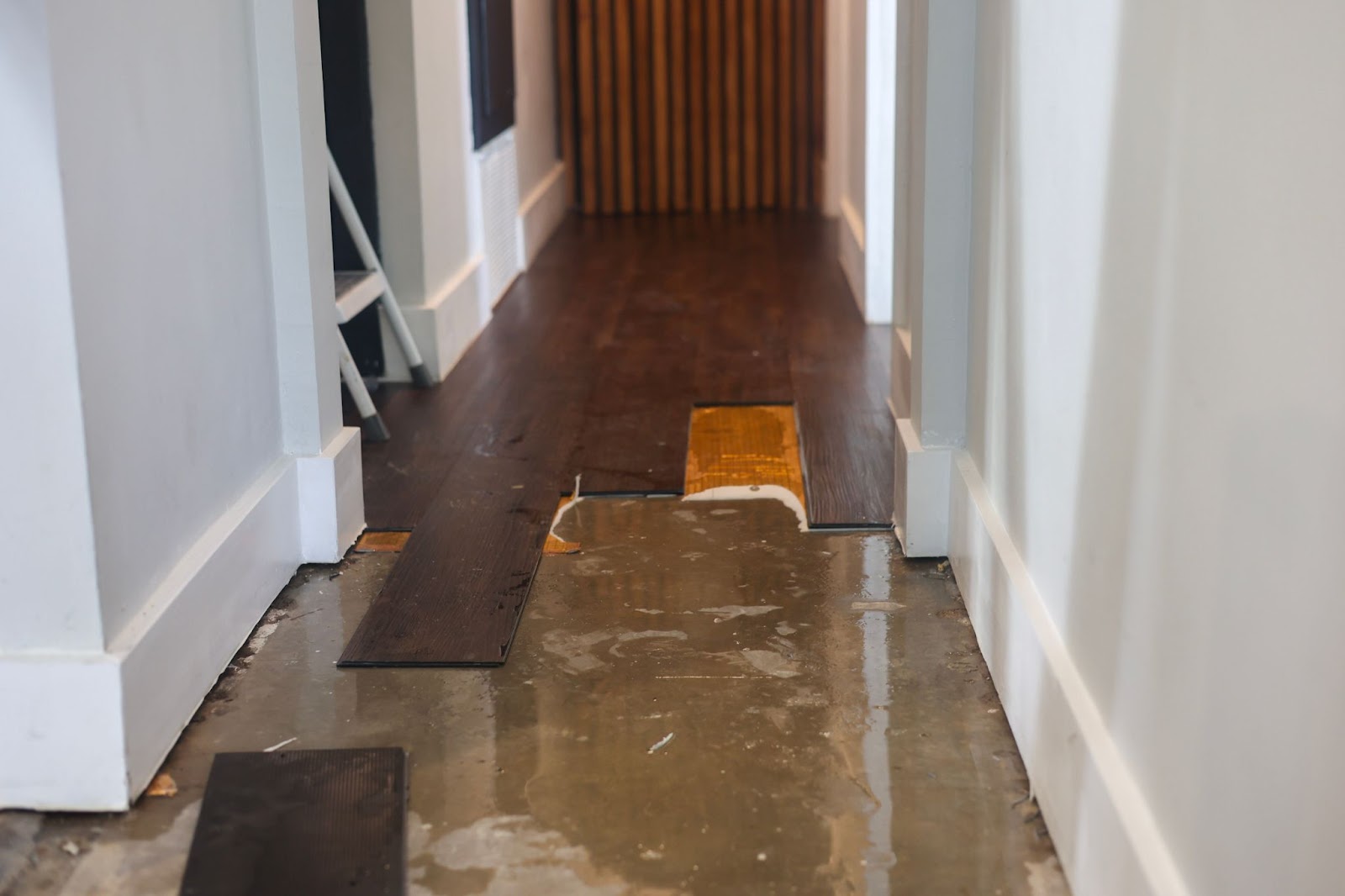
A basement sewage backup is one of the most common problems homeowners face. A clogged main line or floor drain pushes contaminated water into the flooring, drywall, trim, and stored belongings.
Bathroom overflows are another common source of damage. A toilet backup or a blocked drain can spread sewage into nearby flooring, vanity bases, and walls, even when the visible mess seems limited.
A main sewer line failure creates a larger problem by affecting multiple rooms at once. In each of these situations, sewage damage cleanup needs to address both contamination and hidden moisture.
Benefits of fast professional cleanup
Fast professional help makes a major difference after a sewage backup.
- It helps reduce exposure to contaminated water
- It limits how far sewage spreads into nearby rooms and materials
- It supports safer, more complete sewage damage cleanup
- It improves the chances of drying the structure correctly
- It helps reduce lingering odor problems
- It lowers the risk that a sewage backup turns into a larger restoration project
- It supports a more organized water damage restoration process
Common mistakes to avoid after a sewage backup
Homeowners often want to move fast, but the wrong first step makes the situation worse. Avoid these common mistakes:
- Waiting too long to respond
- Touching contaminated water without proper protection
- Assuming the area is safe once visible water is gone
- Trying to save materials that you cannot safely salvage
- Using household fans before you address the contamination
- Skipping professional drying after sewage damage cleanup
- Treating a sewage backup like a normal plumbing leak
What research says about sewage backup risks
- Sewage backup is a health concern. The EPA says sewer overflows back up into homes, cause property damage, and threaten public health.
- Sewage-contaminated water makes people sick. The CDC says people handling sewage should follow hygiene and PPE guidance.
Tools, products, or recommendations
You don’t need a long equipment list, but it is important to understand what a proper response requires.
Professional tools often include:
- Extraction equipment for contaminated water
- PPE and containment materials
- Moisture meters
- Air movers
- Dehumidifiers
- Cleaning and sanitizing products suited for contaminated losses
Smart homeowner recommendations include:
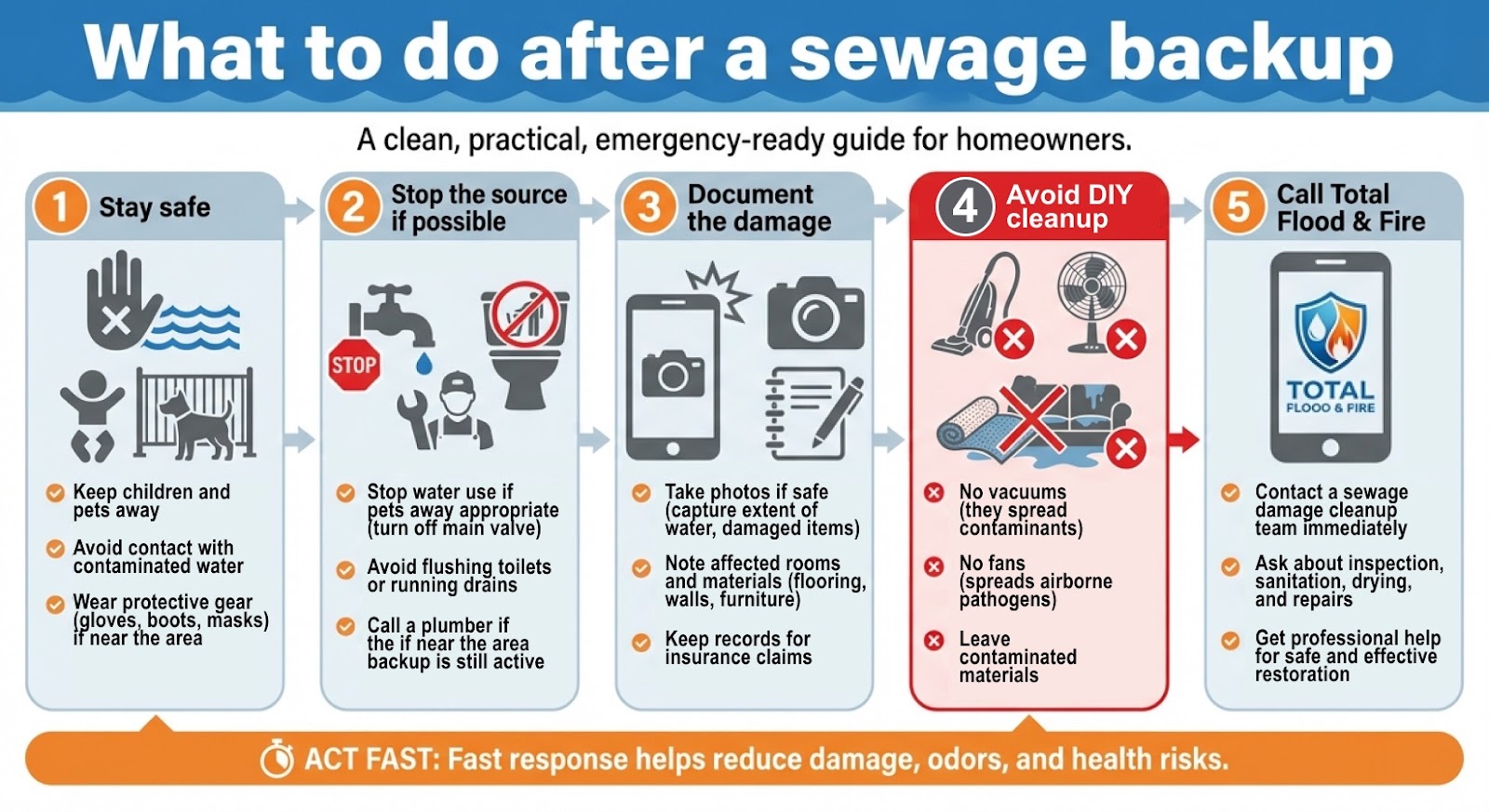
- Avoid direct contact with contaminated water
- Keep children and pets away from the area
- Don’t use a regular household vacuum on sewage-contaminated water
- Call for professional sewage damage cleanup and water damage restoration
- Document the sewage backup and damaged materials if it is safe to do so
- Wait for proper drying before making repair decisions
FAQ
What should I do first after a sewage backup?
Focus on safety first. Keep people and pets away from the area, avoid contact with the contaminated water, and call for professional sewage damage cleanup as soon as possible. If it is safe to do so, document the damage and stop the backup source.
Is sewage damage cleanup different from regular water cleanup?
Yes. A sewage backup involves contamination. That means the cleanup process may require protective equipment, sanitation, removal of unsalvageable materials, and a more careful drying plan than a standard clean-water loss.
Can I clean up sewage damage myself?
In most cases, homeowners should avoid DIY cleanup because sewage-contaminated water exposes them to harmful waste and unsafe conditions. Professional teams have the equipment, protective measures, and processes needed to handle contamination and complete water damage restoration safely.
Does sewage backup always require water damage restoration?
Most of the time, yes. Even after the team removes the contaminated water, moisture often remains in flooring, drywall, subfloors, or surrounding structural materials. Water damage restoration helps dry the property correctly and prepares the home for any needed repairs.
Which materials do professionals usually remove after a sewage backup?
That depends on how far the contamination spread and how long it sat. Carpet, padding, drywall, insulation, baseboards, and other porous materials may need to be removed if they absorbed sewage-contaminated water and can’t be safely cleaned and restored.
Why are sewage backups disruptive in Utah homes?
In Utah, finished basements make sewage backups even more disruptive because contaminated water can quickly reach carpet, drywall, trim, and stored items. Older sewer lines, storm-related drainage strain, and lower-level living spaces all make a fast response more important. Some homeowners also assume a dry climate will solve the moisture side of the problem on its own, but hidden moisture still needs proper inspection and drying.
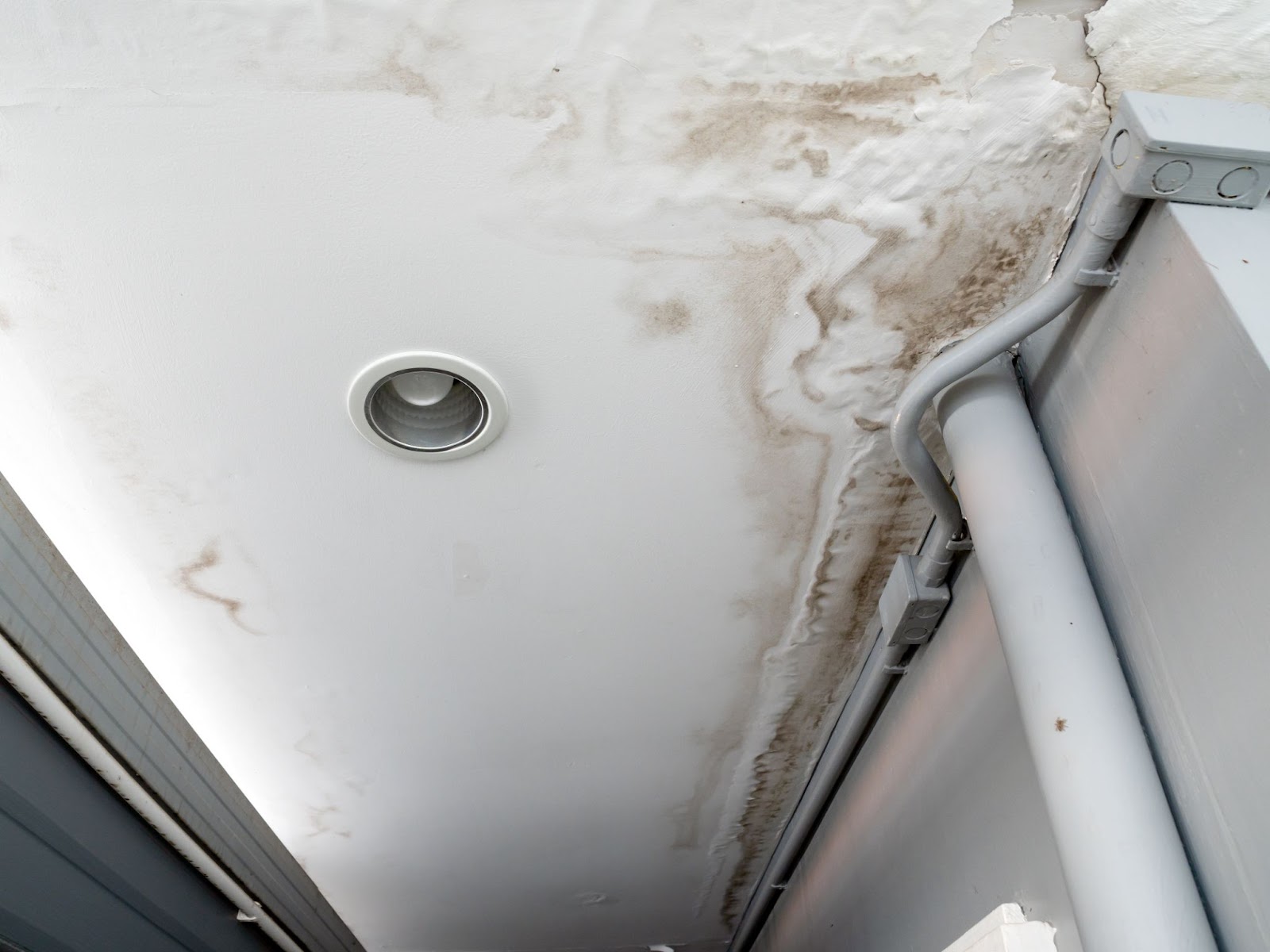
Get help with sewage damage cleanup from Total Flood and Fire Restoration
A sewage backup isn’t a cleanup job homeowners should take lightly. Sewage damage cleanup, water damage restoration, and source correction often need to work together to protect the home and reduce safety risks. If you are dealing with a sewage backup, act quickly and get the right help from the start.
Contact Total Flood and Fire Restoration to schedule an inspection and get expert help before the damage spreads.