A sewer backup occurs when wastewater can’t flow away from your home and instead backs up through drains, toilets, tubs, or floor drains. In Utah, this may happen due to clogs, tree roots, damaged pipes, heavy rain, or snowmelt. Safe cleanup often requires plumbing help and sewer damage restoration.
Why sewer backups need a fast response
A sewer backup is one of those problems homeowners need to take seriously right away. Wastewater comes up through a basement floor drain, toilet, tub, shower, or laundry room drain, and the damage often spreads farther than it appears at first.
Once sewage enters the home, the issue is no longer only about the blocked line. Contaminated water can reach the flooring, lower walls, trim, and stored belongings, especially in finished Utah basements. Fast sewer damage restoration helps address what the sewage touched, where moisture may have spread, and what needs to happen before repairs begin.
What is a sewer backup?
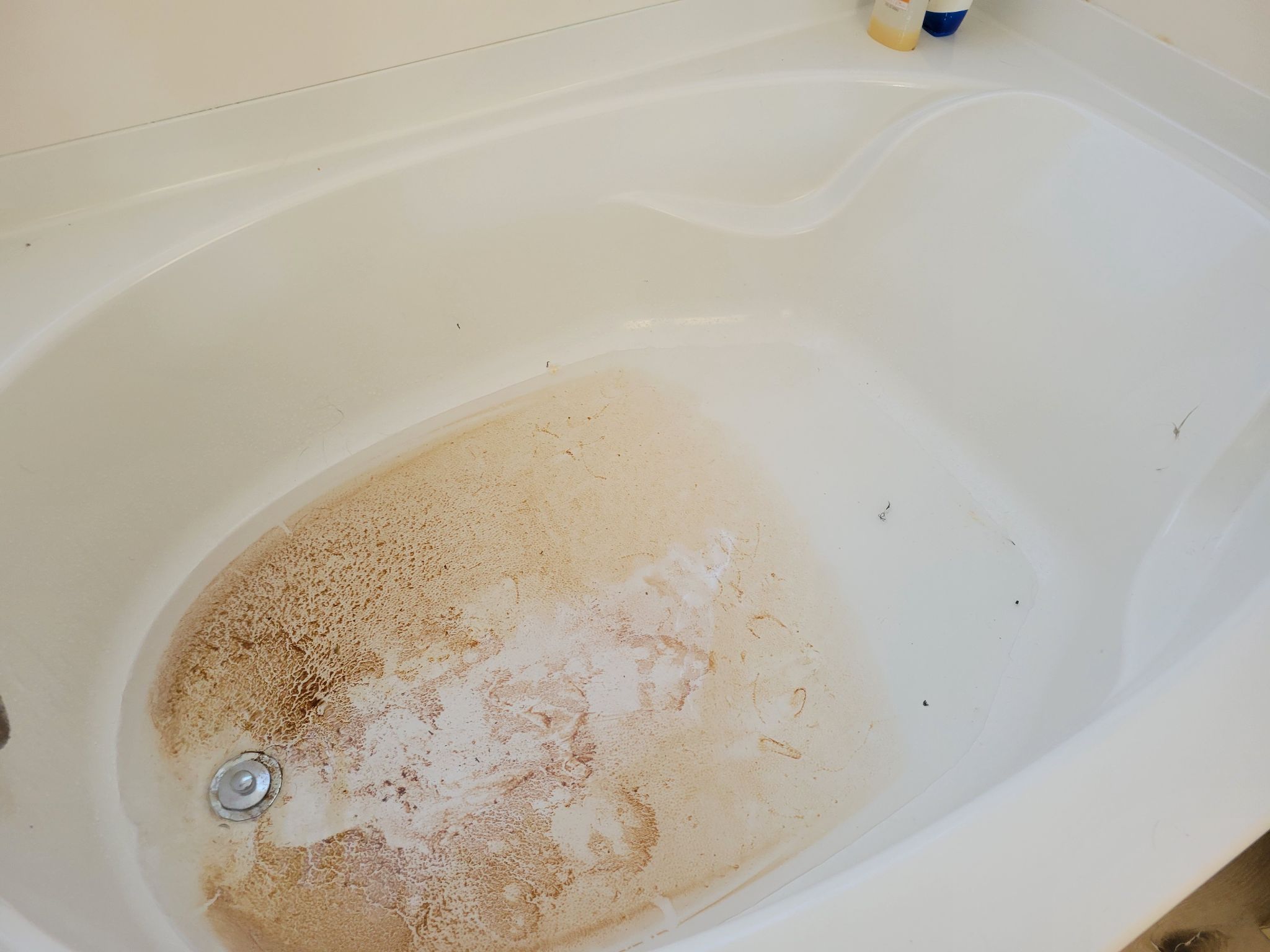
A sewer backup occurs when wastewater backs up into the home through a drain or plumbing fixture. It often appears in the lowest part of the house, such as a basement floor drain, shower, tub, or toilet.
If several fixtures are slow, gurgling, or backing up at once, the issue may be in the main sewer line.
What causes sewer backups in Utah homes?
There is no single answer to how to fix sewer backups because the right solution depends on the cause. Some problems start inside the home, while others come from the sewer line below the yard or the larger system.
Grease, wipes, paper products, sludge, and other debris clog the main line, causing wastewater to back up through the lowest drain. Tree roots also enter cracks or loose joints in older sewer lines, then grow inside the pipe and catch debris.
Aging pipes, heavy rain, snowmelt, and sewer lateral issues also cause backups. Older pipes may crack, sag, separate, or collapse, while Utah storms and spring thaw add strain to sewer and drainage systems.
If the line between your home and the public sewer main clogs or fails, multiple fixtures may be affected. A professional inspection helps identify where the blockage or damage started before cleanup and repairs begin.
What to do right away after you discover a sewage backup
A fast response helps limit exposure and reduce damage inside the home.
- Keep people and pets away: Don’t let anyone enter the affected area, especially children, pets, or anyone with health concerns.
- Stop using water: Avoid flushing toilets, running sinks, showering, doing laundry, or using the dishwasher while the backup is active.
- Avoid direct contact: Stay out of standing water and don’t touch sewage, wet materials, or affected belongings without proper protection.
- Call a plumber: A plumber helps identify whether the source is a clog, root problem, damaged pipe, or sewer lateral issue.
- Call a restoration team: Sewer damage restoration addresses the contaminated water, affected materials, drying, and repair planning inside the home.
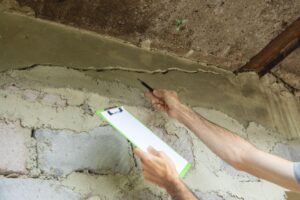
- Document the damage: If it is safe, take photos and video from a distance before major cleanup begins. Save receipts for emergency services and temporary repairs.
Common examples of sewer backup damage
A sewer backup may look different from one home to another. Common examples include:
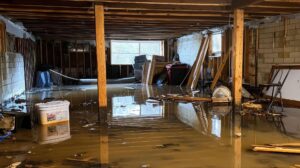
- Basement floor drain backups: Sewage may come up through a floor drain and spread across carpet, concrete, storage areas, or finished living space.
- Bathroom backups: Wastewater may rise in a tub, shower, toilet, or sink, especially when the main line is clogged.
- Laundry room backups: Running the washing machine may cause water to appear around a nearby drain, which points to a deeper line problem.
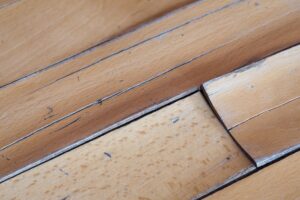
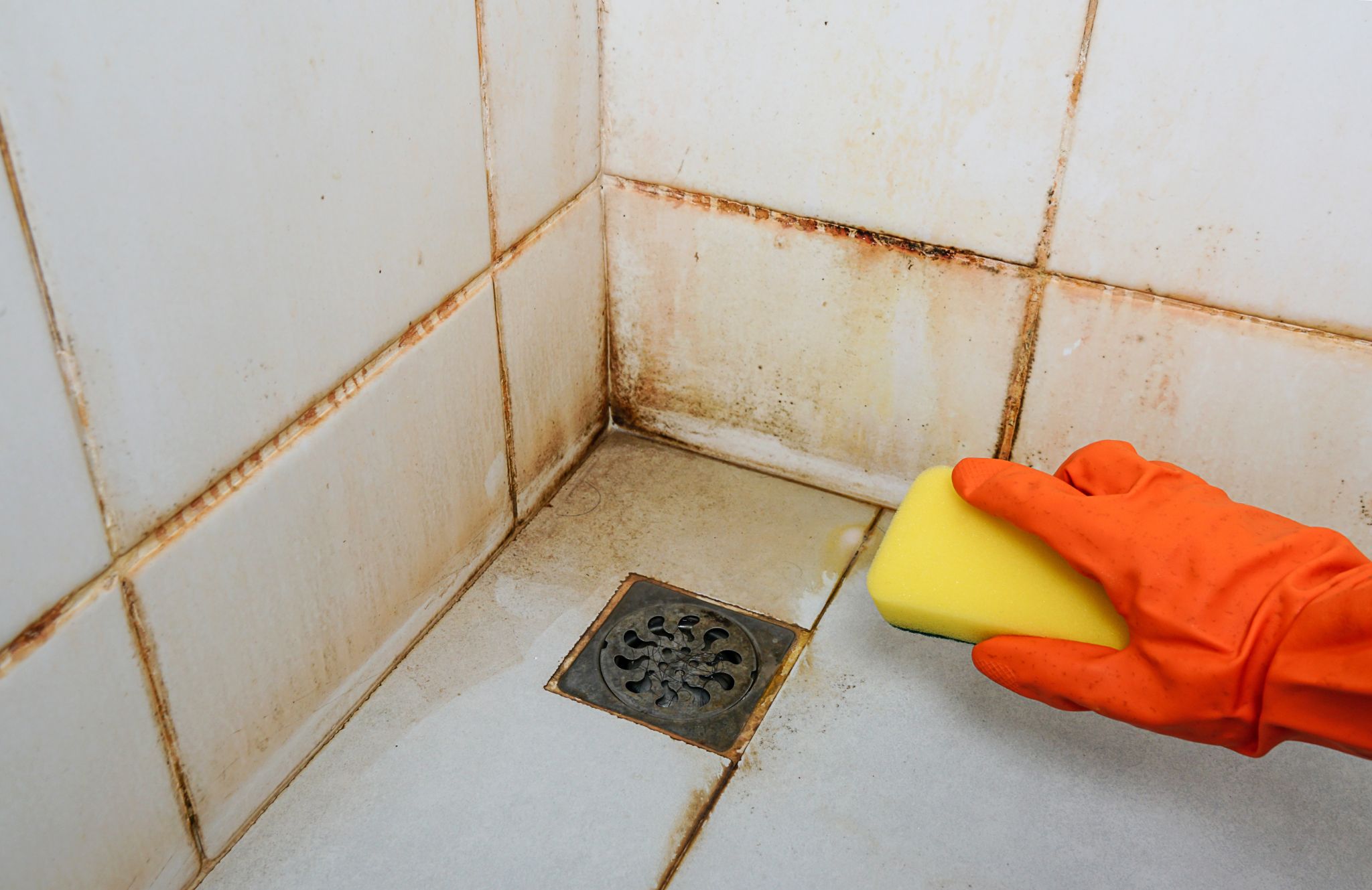
- Basement damage: Sewage can reach carpet, padding, baseboards, lower drywall, trim, furniture, and stored belongings.
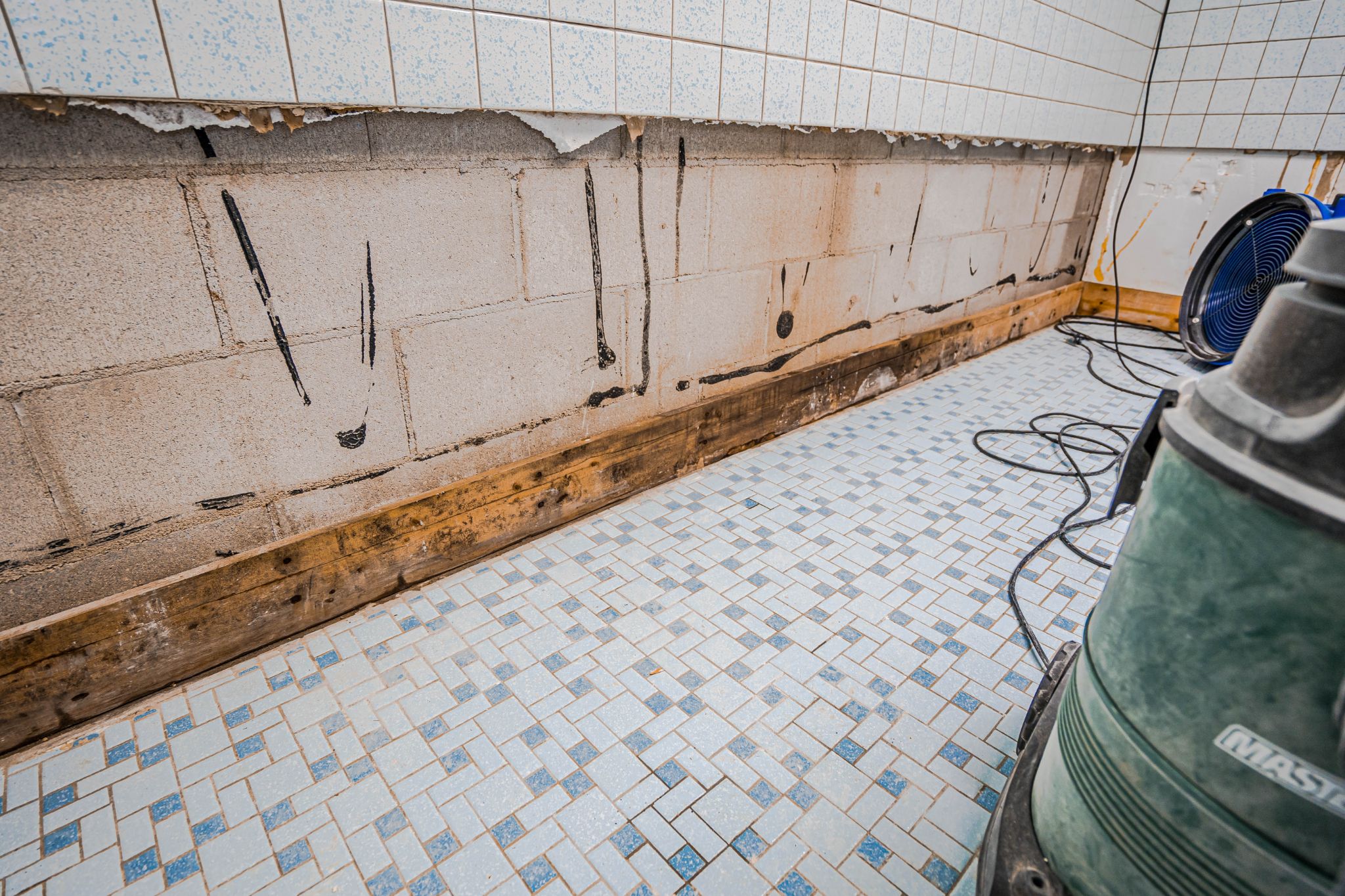
- Hidden moisture behind surfaces: Sewage may move under flooring, behind baseboards, or into lower sections of drywall.
- Porous material damage: Carpet padding, insulation, cabinets, and other absorbent materials may need closer inspection before repairs begin.
Why fast sewer damage restoration matters
Sewer damage restoration helps make the affected area safer and limits damage before cleanup and repairs begin.
- It helps reduce contact with contaminated water: Sewage may contain bacteria, viruses, waste, and other contaminants that pose a risk of direct contact.
- It addresses more than the visible mess: Even after a plumber clears the drain, you may need professional cleaning and drying before using the affected area again.
- It identifies materials that may not be safe to keep: Carpet, padding, insulation, and lower drywall hold contamination and moisture.
- It reduces the risk of mold and odor issues: If affected materials remain wet or contaminated, mold and lingering odors may be harder to control.
Fixing the pipe stops more sewage from entering. Sewer damage restoration addresses the damage left behind by the backup.
Common mistakes to avoid
Homeowners often want to move quickly, but the wrong first step makes cleanup harder. Avoid these common mistakes after sewage enters your home:
- Treating sewage like a regular plumbing leak
- Continuing to run water while the backup is active
- Walking through the affected area unnecessarily
- Using household fans before cleanup
- Using a regular shop vacuum on contaminated water
- Moving wet belongings through clean areas
- Throwing damaged items away before documenting them
- Assuming the area is safe once the visible water is gone
A clear drain doesn’t clean the flooring, walls, or belongings that the sewage came into contact with. Even after a plumber fixes the blockage, you still need to inspect the affected area.
What research says about sewage exposure and cleanup
Public health and emergency guidance treat sewage exposure as a safety concern. Key points include:
- Sewage carries harmful contaminants: Sewer overflows will expose people and property to bacteria, viruses, parasites, and other microorganisms.
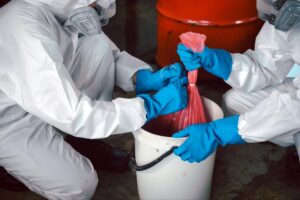
- Handle sewage carefully: Avoid direct contact with sewage-contaminated water, keep people and pets away from the affected area, and use professional cleanup when sewage enters living spaces.
- Documentation helps with insurance and repairs: Take photos and videos before cleanup, list damaged items, and save receipts. When possible, record the appliance’s make, model, and serial number.
- Cleanup should go beyond visible water: Sewage damage may require sanitation, material removal, drying, and planning for repairs.
- Wet materials lead to mold: After sewage backups, contaminated water soaks into flooring, drywall, and other materials that may not dry on their own.
Safe tools and next steps after a sewer backup
You don’t need much equipment to take the first few safe steps. Focus on documenting the damage, avoiding contact with contaminated water, and getting the right help.
- Use your phone camera: Take photos and video from a safe distance before major cleanup begins.
- Use a flashlight: Check visible areas around drains, lower walls, flooring, and nearby belongings without walking through sewage.
- Take notes: Write down when the backup started, which rooms were affected, and what materials appear damaged.
- Avoid direct contact: Disposable gloves may help with small nearby tasks, but they aren’t a substitute for proper cleanup.
- Don’t use household equipment: Avoid regular vacuums, mops, and fans on sewage-contaminated water.
- Call a plumber for the source: A plumber may need to clear, inspect, or repair the line before the home fully recovers.
- Call a restoration team for the damage: Sewer damage restoration helps clean the affected area, dry the structure, and determine what needs repair.
When people ask how to fix sewer backups, the full answer usually has two parts: stop the source and restore the affected area.
FAQ
What is the first thing I should do?
Keep people and pets away, stop using water if the backup is active, and avoid direct contact with sewage. Document the damage from a safe distance if you can, then call for help.
Can I clean up sewage myself?
In most cases, it is safer to avoid DIY cleanup. Sewage-contaminated water affects porous materials and creates health concerns that need professional cleanup and drying.
Who do I call for: a plumber or a restoration company?
You may need both. A plumber addresses the source of the backup, while a restoration company handles the contaminated water and damage inside the home.
How do you fix sewer backups?
How to fix sewer backups depends on the cause. A plumber may clear a blockage, remove roots, inspect the sewer lateral, or repair a damaged pipe.
Does homeowners’ insurance cover sewer backup damage?
Coverage depends on your policy and whether you have sewer or water backup coverage. Document the damage, save receipts, and contact your insurance provider.
Get help from Total Flood & Fire Restoration after a sewer backup
A sewage backup requires a fast, careful response. Even after you stop the source, you still need to clean up contaminated water, check for hidden moisture, and address affected materials.
Total Flood & Fire Restoration helps Utah homeowners inspect the damage, clean affected areas, dry the structure, and plan repairs. If sewage has entered your home, contact Total Flood & Fire Restoration for help with sewer damage restoration.