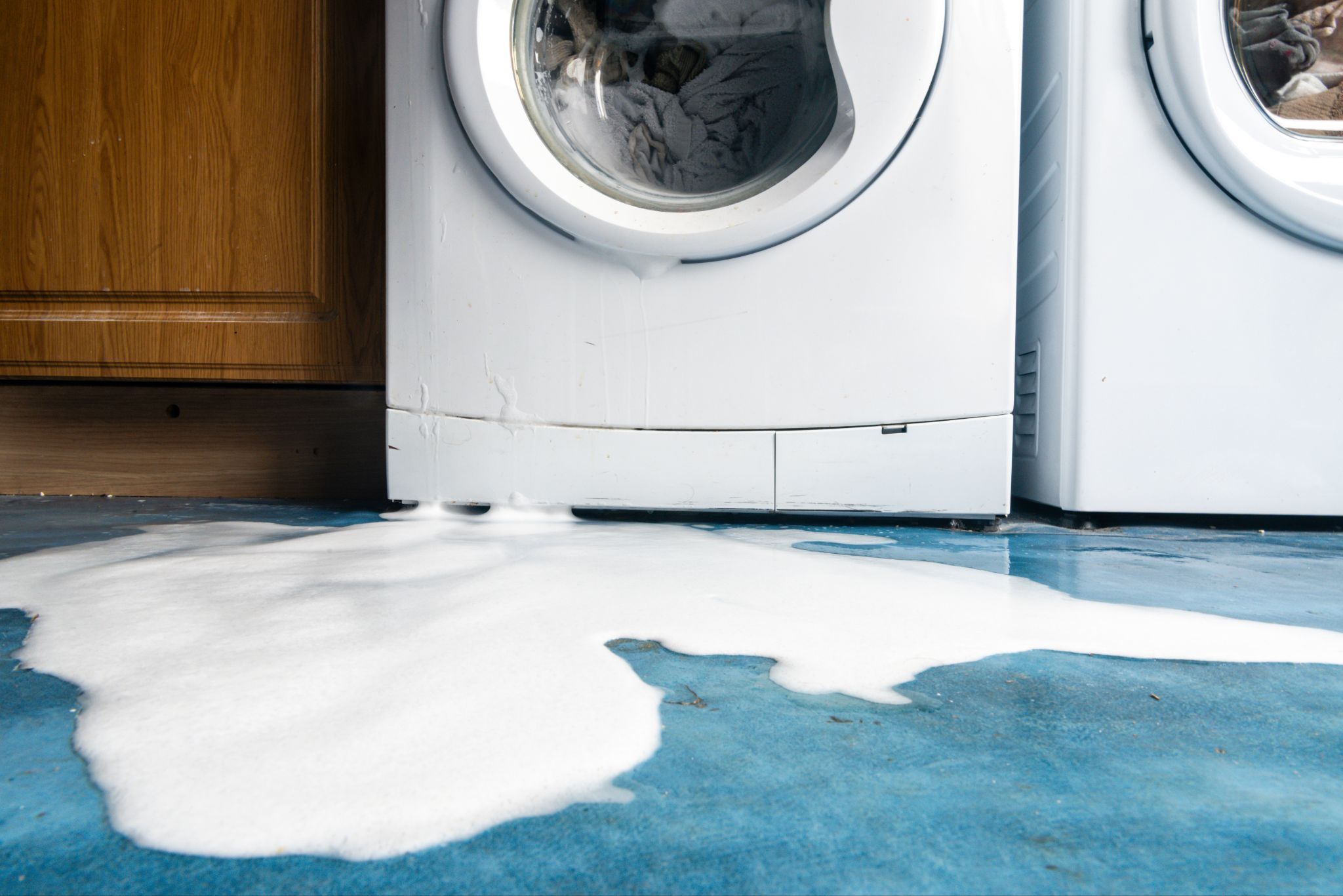
Water damage prevention starts with routine checks around appliances that use water, including washing machines, dishwashers, refrigerators, water heaters, sinks, toilets, and HVAC systems. Look for leaks, worn hoses, soft flooring, musty smells, and moisture under cabinets. If water reaches hidden materials, you may need Utah water damage restoration.
Why small appliance leaks matter
Appliance leaks often start in places homeowners don’t check every day. A refrigerator water line, dishwasher connection, washing machine hose, or water heater valve may leak quietly before you see visible damage.
That’s why water damage prevention starts with routine checks and quick action. When water reaches the flooring, cabinets, drywall, or the room below, a quick cleanup may not be enough. A closer inspection can show where moisture traveled and what needs to dry before repairs begin.
What appliance water damage looks like
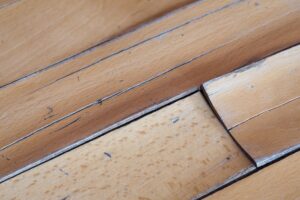
Appliance leaks aren’t always obvious. The first sign may be a soft cabinet base, warped flooring, bubbling paint, peeling trim, or a musty smell near the appliance.
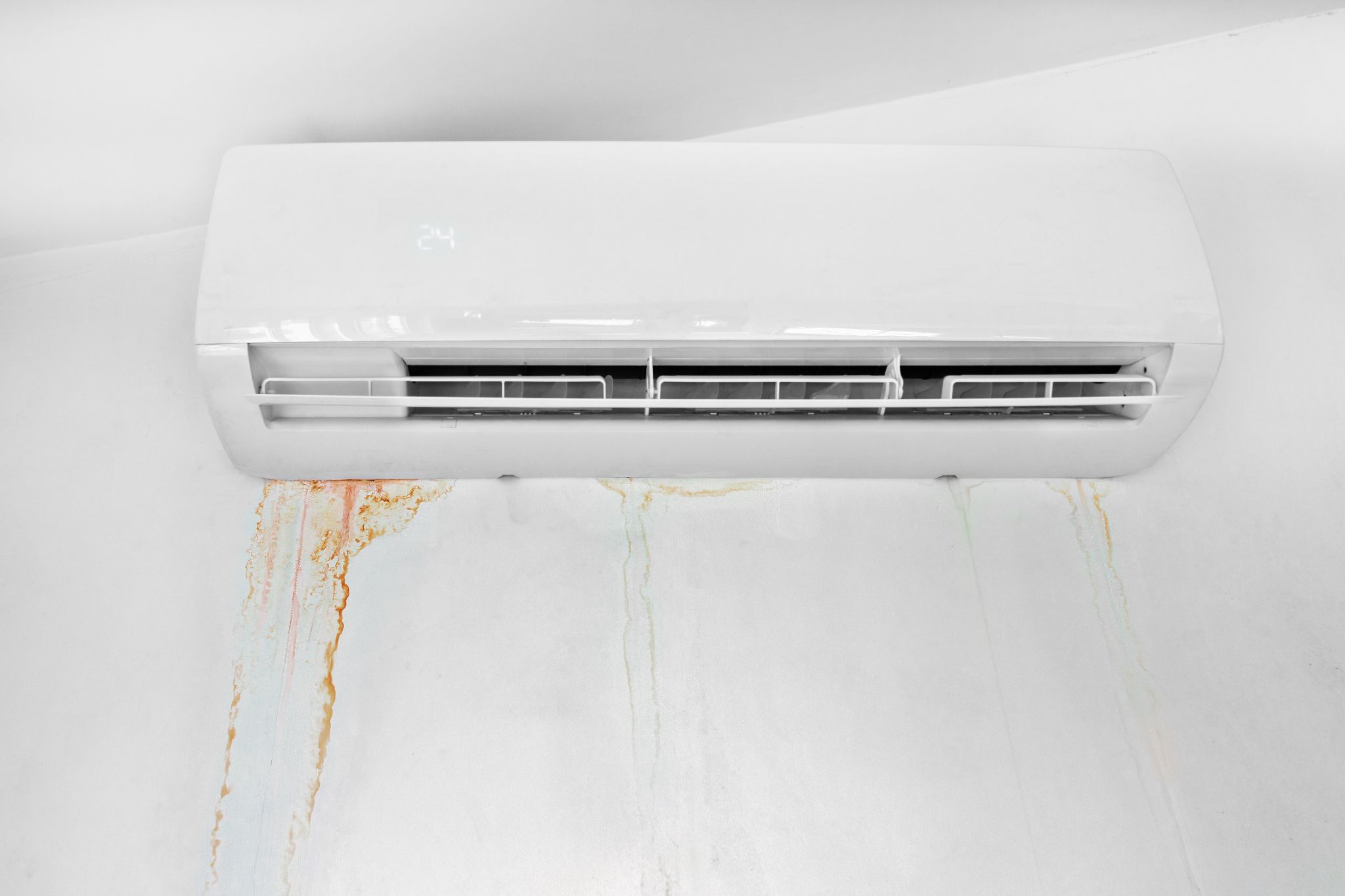
Check for damp supply lines, rusted fittings, staining under sinks, or water marks around the base of a water heater. If the appliance sits upstairs, look at the ceiling or walls below the room. Water moves through the flooring and appears in areas that don’t appear to be connected to the original leak.
Why appliance leaks spread faster than they seem
Water often travels beyond the area where the leak starts. A dishwasher leak may reach the cabinet bases, a refrigerator water line may drip behind the unit, and a washing machine overflow may spread into nearby rooms or, if it’s on the second floor, into the ceiling below.
Even when the surface looks dry, moisture may remain under flooring, behind trim, or inside cabinets and drywall. Utah water damage restoration helps identify hidden moisture before repairs begin.
Common appliance leaks that cause water damage
Fast-release leaks
Washing machine hoses, water heater failures, toilet supply lines, refrigerator water line breaks, and loose connections may release water quickly. These leaks may spread into the flooring, nearby rooms, or lower levels.
Slow hidden leaks
Refrigerator ice maker lines, dishwasher connections, under-sink plumbing, garbage disposal fittings, and small valve leaks drip out of sight. Watch for soft cabinets, warped flooring, stains, or musty smells.
Drain and overflow problems
Washing machine drains, dishwasher drains, HVAC condensate lines, sink drains, and clogged disposal lines overflow or back up into nearby materials.
Upper-level appliance leaks
Second-floor washing machines, bathroom fixtures, and upstairs HVAC systems send water into ceilings, walls, insulation, or rooms below before the damage is visible.
Water damage prevention tips
The best water damage prevention steps are simple, but they work best when homeowners make them part of a regular routine.
- Replace old washing machine hoses: Look for cracks, bulging, rusted fittings, or damp connections. Consider braided stainless steel hoses if your current hoses are old or worn.
- Install leak detectors: Place water sensors behind the washing machine, under sinks, near the water heater, behind the refrigerator, and around the dishwasher.
- Know your shutoff valves: Find the main water shutoff and the shutoffs for appliances, sinks, toilets, and refrigerator water lines.
- Check behind and under appliances: Look for moisture, stains, soft flooring, rust, or musty odors.
- Clean drains, filters, and pans: Dishwashers, HVAC systems, and washing machines leak when drainage gets blocked.
- Don’t ignore small recurring leaks: A slow drip still creates hidden damage if it reaches materials that hold moisture.
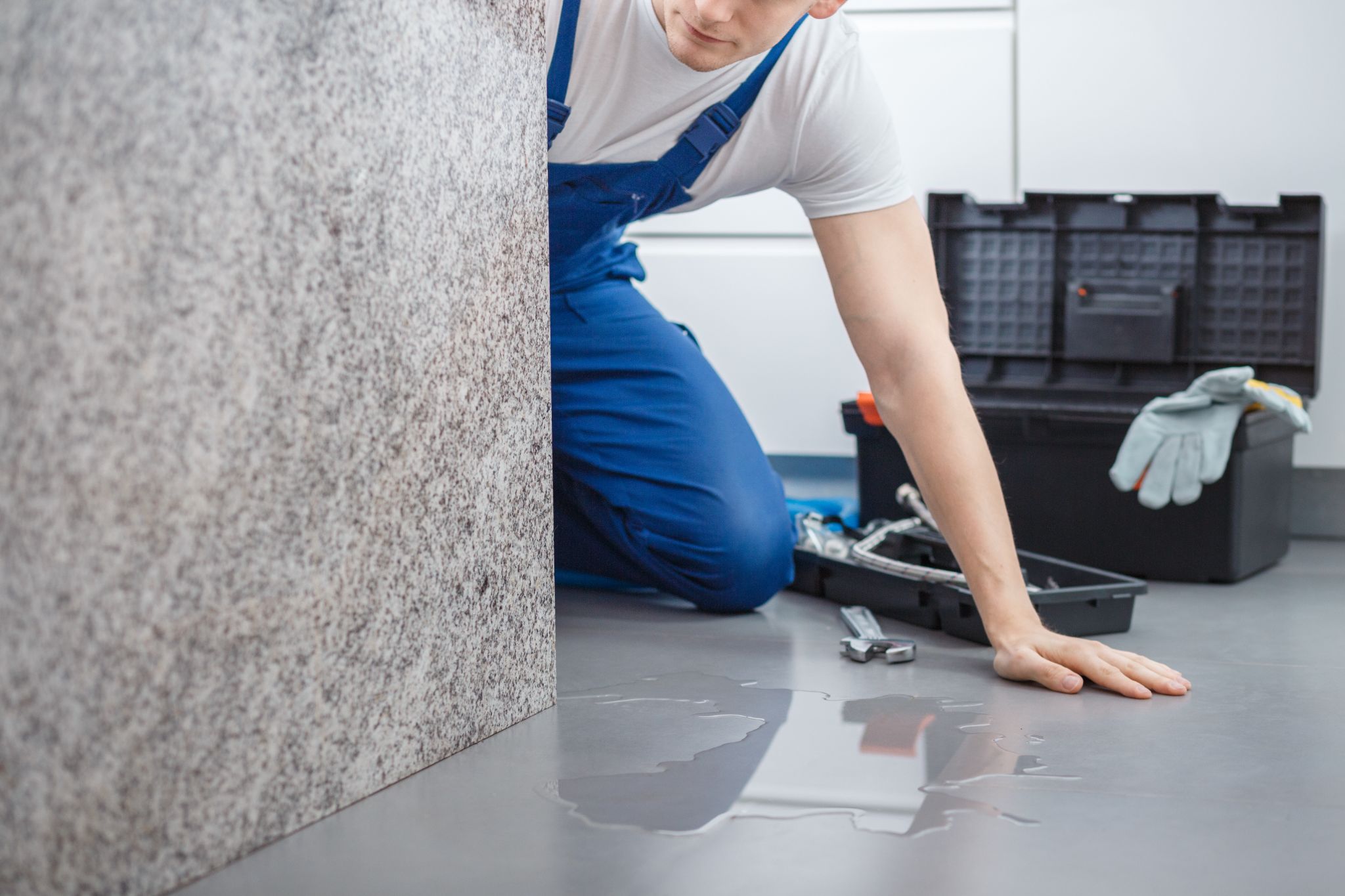
What to do in the first 10 minutes after an appliance leak
A fast response limits how far the water spreads.
- Stop the water source: Turn off the appliance or nearby water valve if you can do so safely.
- Avoid electrical hazards: Don’t step into standing water near plugged-in appliances.
- Move nearby belongings: Remove wet items from the affected area.
- Take photos and video: Document the leak, affected rooms, flooring, cabinets, and nearby belongings.
- Remove small amounts of clean water: Use towels or a wet vacuum only when the water is clean, and it’s safe to do so.
- Check nearby rooms and lower levels: Look for water stains, damp ceilings, or moisture below the leak.
- Call for help if water reaches hidden materials: Utah water damage restoration may be needed if water moves into flooring, drywall, cabinets, or the room below.
When an appliance leak becomes a restoration issue
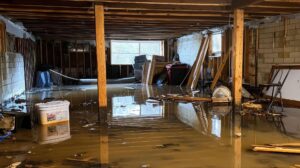
A small spill on a hard surface may be easy to clean up, but a leak becomes more serious when water moves into materials that don’t dry quickly.
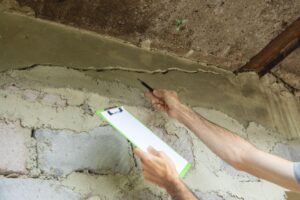
Call for an inspection if water reaches drywall, cabinets, flooring, ceilings, or subflooring. You should also get help if the area smells musty, the flooring feels soft, or the leak happened while no one was home.
Utah water damage restoration helps determine how far the moisture spreads, what needs drying, and whether repairs should wait until the structure is dry.
Common mistakes to avoid
Many appliance leaks become worse because homeowners only clean what they see. Avoid these common mistakes:
- Assuming the area is dry because the puddle is gone
- Ignoring a musty smell near an appliance
- Waiting too long to replace worn hoses
- Forgetting to check behind appliances
- Using fans before checking where the water spread
- Painting over stains before inspecting for moisture
- Delaying help after water reaches the drywall, cabinets, or flooring
What research says about household leaks
A few research-backed points show why leak prevention and fast drying matter:
- Household leaks waste a lot of water: The EPA says household leaks waste nearly 1 trillion gallons of water nationwide each year.
- Fast drying helps reduce mold risk: The EPA says mold usually won’t grow if wet or damp items dry within 24-48 hours.
- Documentation helps after damage: Ready.gov recommends taking photos, making a damage list, and saving receipts before cleanup when it’s safe.
Tools and products that help prevent appliance leaks
A few basic tools support water damage prevention around the home:
- Water leak detectors
- Automatic shutoff valves
- Braided stainless steel washing machine hoses
- Drip pans where appropriate
- Flashlight for routine checks
- Calendar reminders for monthly inspections
- Moisture meter for basic spot checks
FAQ
Which appliances cause the most damage?
Washing machines, dishwashers, refrigerators with water lines, water heaters, sinks, toilets, and HVAC systems are common sources.
How often should I check appliances for leaks?
Check high-risk areas monthly, especially around washers, sinks, water heaters, refrigerators, and dishwashers.
Are water leak detectors worth it?
Yes. Leak detectors alert you before a hidden leak reaches flooring, cabinets, drywall, or nearby rooms.
What should I do if my washing machine floods?
Shut off the water, avoid electrical hazards, document the damage, and check nearby rooms or lower levels.
When should I call a restoration company after an appliance leak?
Call if water reaches flooring, drywall, cabinets, ceilings, or hidden spaces, or if you notice staining, soft flooring, or a musty smell.
Get help from Total Flood & Fire Restoration
Appliance leaks are common, but even small leaks can cause damage when moisture reaches hidden materials. Regular checks, leak detectors, hose replacement, and quick shutoff access make a real difference.
If an appliance leak has affected your home, contact Total Flood & Fire Restoration. Our team inspects the area, checks for hidden moisture, dry affected materials, and helps with Utah water damage restoration before repairs begin. Let’s restore your home.