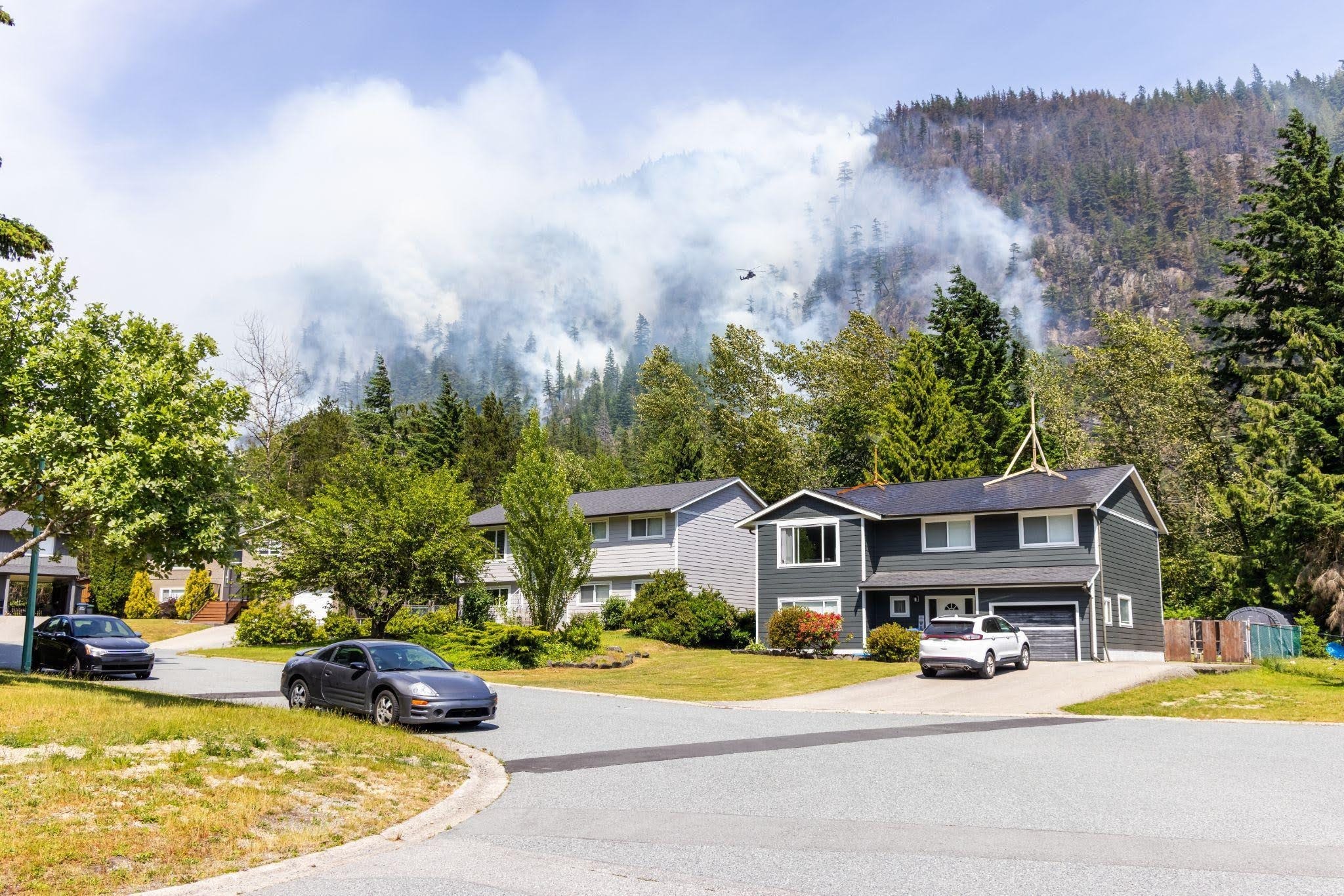
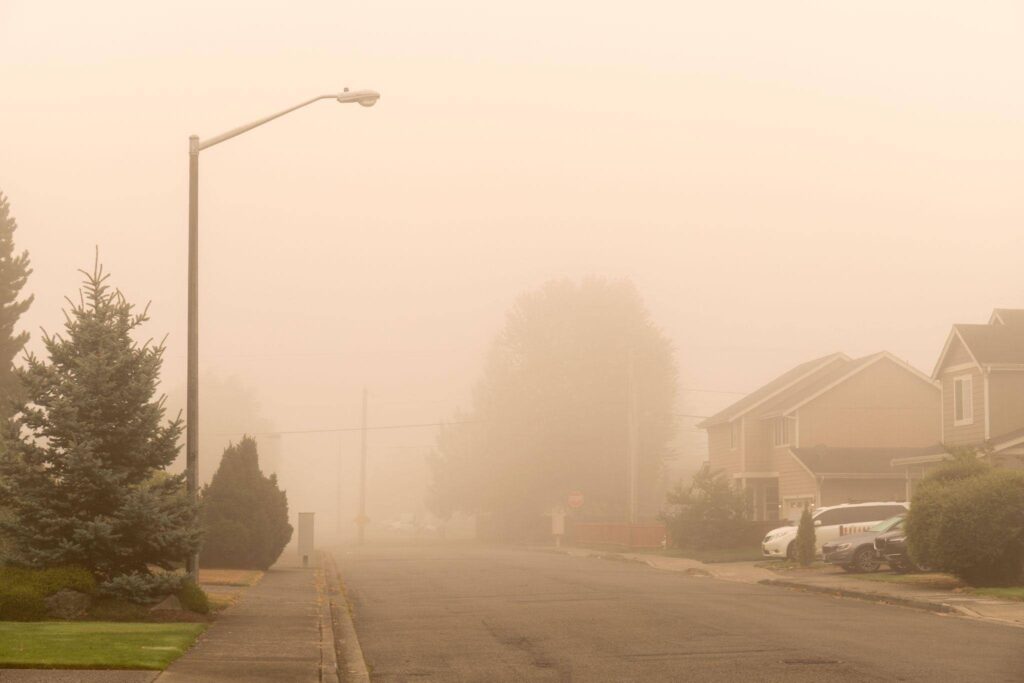
Wildfire smoke may affect your home even when flames never reach the property. Fine particles move through small openings and ventilation systems before settling on surfaces or belongings. Persistent odors, visible residue, ash, or smoke smells that return when your HVAC system runs may indicate wildfire smoke damage that warrants a closer look.
Wildfire smoke may leave damage behind
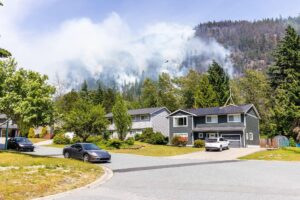
Wildfire smoke may travel long distances and enter homes far from the flames. In some cases, the smell fades once outdoor conditions improve. In others, smoke leaves residue on surfaces or settles into materials inside the home.
If the odor sticks around or keeps returning, fire and smoke damage restoration may help identify where the smoke traveled and what needs to be cleaned up. That gives homeowners a clearer next step, rather than guessing whether smoke damage from a wildfire will resolve on its own.
How wildfire smoke gets inside your home
Closing windows and doors helps reduce wildfire smoke exposure, but homes aren’t airtight. Smoke may still move through small gaps or enter through HVAC systems with fresh-air intakes. Even with the house closed up, wildfire smoke may still find its way indoors through normal air movement and ventilation.
Once inside, fine particles may settle on surfaces or move through the home with indoor air. Once the smoke clears outside, the lingering odor or residue gives you a better picture of whether your home needs cleanup.
How do you know if wildfire smoke actually damaged your house?
Start with what remains after the outdoor smoke clears. If the odor fades with ventilation and filtration, you may have dealt with temporary smoke infiltration. Persistent signs deserve more attention.
Watch for the following:
- Smoke odor that lingers
- Fine residue on interior surfaces
- Visible soot or ash
- Odors that return when the HVAC runs
- Soft materials that still smell after cleaning
You may also have wildfire smoke damage without obvious soot. Fine residue or lingering odor may be the first sign that smoke has settled on materials. When checking for wildfire smoke damage to house materials, focus on what remains after the outdoor air clears.
Look at the pattern throughout the home. Persistent residue across several rooms points to a different problem than a mild odor near an exterior door.
What parts of a house may wildfire smoke affect?
Smoke affects materials differently. Smooth surfaces often clean more easily, while porous materials may hold particles and odor longer.
Common areas to check include:
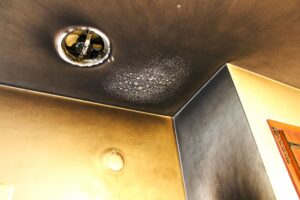
- Walls and ceilings: Residue may leave discoloration or lingering odor.
- Carpet and furniture: Fibers may trap particles below the surface.
- Cabinets and unfinished wood: Smoke may settle in enclosed areas or absorb into unfinished surfaces.
- HVAC filters and components: Filters collect airborne particles and may need attention after heavy exposure.
- Household belongings: Clothing and bedding may still carry a smoke odor.
The extent of wildfire smoke damage to house materials depends on how much smoke entered and what burned nearby. Different types of smoke damage may leave different residue and odors, which affects how surfaces and belongings need to be cleaned.
Smoke, soot, and ash aren’t the same problem
Homeowners often use smoke, soot, and ash interchangeably, but each creates a different cleanup concern.
Smoke carries gases and very fine particles through the air. Soot develops during incomplete combustion and may leave fine residue on surfaces. Ash includes larger particles that remain after materials burn.
The type of fire also affects what ends up in the air. Smoke from burning vegetation differs from smoke produced when a wildfire reaches developed areas and burns manufactured materials. That difference may affect the residue that settles inside nearby properties.
You don’t need to identify every particle yourself. If substantial ash entered your home, especially after nearby structures burned, take a more cautious approach to cleanup.
What should you do after wildfire smoke gets inside?
Start with the conditions outside. Opening every window while smoke remains heavy may bring more particles indoors, so wait until air quality improves before airing out the home. Once the smoke clears, a few indoor air and cleanup steps may help you assess what remains.
- Check your HVAC filter. Smoke may load it faster than normal, so replace a dirty filter with one your system supports.
- Inspect interior surfaces. Check windowsills, horizontal surfaces, and areas near exterior openings for fine residue.
- Clean light residue carefully. Avoid dry sweeping ash. Damp cleaning or a HEPA-type vacuum may help keep particles from becoming airborne again.
- Pay attention to lingering odor. Notice whether smoke smells remain after ventilation and filtration.
- Document significant residue. Take photos before major cleanup if you plan to contact your insurance company.
These steps also help you determine whether wildfire smoke damage goes beyond something you want to handle on your own.

Do you need air duct cleaning after wildfire smoke?
Not every home needs air duct cleaning after a wildfire smoke event. Start by checking the HVAC filter and notice whether smoke odors return when the system runs.
Ash near the vents, or a stronger smoke smell with the airflow, may indicate residue inside the system. A closer inspection can help identify where the problem is and whether the ductwork actually needs cleaning.
The next right step depends on what the smoke affected, not simply on how smoky it was outside.
When should you call a professional for wildfire smoke cleanup?
Basic ventilation and careful surface cleaning may solve a minor smoke issue. A broader restoration problem usually leaves stronger signs.
Consider professional help when:
- Odor remains after outdoor conditions improve
- Cleaning doesn’t remove visible residue
- Ash entered several areas of the home
- Soft materials continue holding strong smoke odors
- HVAC airflow appears to redistribute smoke smells
- You aren’t sure how far the residue traveled
At that point, an inspection helps define the actual problem. A restoration team may determine which surfaces need cleaning and which belongings require closer evaluation. For wildfire smoke damage to house materials, that inspection also helps show how far the residue traveled before cleanup begins.
Professional property damage restoration services also help homeowners move from guessing about smoke damage from wildfire to understanding which areas actually need attention.
Common mistakes after wildfire smoke exposure
The wrong cleanup approach may spread particles or lead homeowners to spend money on unnecessary work.
Try to avoid:
- Opening windows while outdoor smoke remains heavy
- Dry sweeping significant ash and sending it back into the air
- Using fragrance to cover odor without addressing the residue
- Assuming every affected belonging needs replacement
- Scheduling duct cleaning without determining whether the system needs it
- Starting extensive cleanup before documenting significant damage
A careful inspection often saves time because it separates areas that need attention from parts of the property that smoke barely affected.
What wildfire research tells homeowners
Wildfire smoke doesn’t affect every home in the same way. Fine particles may settle on indoor materials even after the air starts to clear, which helps explain why odors sometimes remain after filtration improves the air.
The type of fire also matters. Smoke from burning homes or other manufactured materials may leave behind residue different from that of smoke from vegetation alone.
For homeowners, the takeaway is simple: look at what the smoke actually affected. A closer inspection helps determine which areas need cleaning and what the next step should be.
Frequently asked questions
Will the smell of wildfire smoke eventually go away on its own?
Light odor may fade once outdoor air improves, and you ventilate the house. If the smell persists or keeps returning, smoke residue may still be present on materials inside the home.
Does smelling wildfire smoke mean there’s soot in my house?
Not necessarily. Smoke may enter without leaving obvious soot marks. Look for persistent odor or visible residue before drawing conclusions about the extent of the damage.
Does smoke get inside when the windows stay closed?
Yes. Outdoor air moves through small openings around the home. Ventilation equipment may also bring smoke indoors.
Should I replace my HVAC filter after wildfire smoke?
Inspect it after significant smoke exposure and replace it when it looks dirty. Choose a replacement that fits your HVAC system’s requirements.
Should I clean wildfire smoke residue myself?
Light surface residue may respond to careful cleaning. Significant ash or widespread persistent odor may call for professional evaluation.
Does homeowners’ insurance cover wildfire smoke damage?
Policies differ. Document significant damage before extensive cleanup and ask your insurer what your specific policy covers.
Total Flood & Fire Restoration helps you know when smoke damage needs attention
Wildfire smoke may pass through your area without leaving behind serious damage. What matters more is what remains after the outdoor air clears. Persistent odor and visible residue may indicate a problem that warrants a closer look.
If you find significant wildfire smoke damage to house materials, focus on where the residue traveled and which areas need cleanup.
If smoke odor, soot, or ash remains inside your property, contact Total Flood & Fire Restoration. Our team will inspect the affected areas to determine what needs attention and guide you through the next step in cleanup and restoration.