Unattended death cleanup addresses biological contamination when someone dies and remains undiscovered for a period of time. After authorities release the property, professionals inspect the affected area and determine what needs to be cleaned or removed. Families should avoid contact with potentially contaminated materials and seek professional biohazard cleanup before handling belongings in the affected space.
What families face after an unattended death
When a loved one dies at home, and no one discovers the death right away, families face difficult property decisions. They need to know when they may enter the home and how to protect meaningful belongings. Questions about cleaning costs add another concern.
There’s no single cleanup plan that fits every property. The circumstances of the death and the condition of the room determine what happens next. If the property needs professional biohazard cleanup, knowing what to expect helps families make informed decisions without taking unnecessary risks.
What happens after someone dies alone at home?
When someone dies alone and remains undiscovered, the delay may increase the likelihood that biological fluids come into contact with nearby materials. The damage varies from one property to another. Some properties require limited cleaning; others need material removal and repairs. An inspection determines how far contamination extends.
Who handles death scene cleanup after authorities leave?
If you discover someone who appears to have died, call emergency services and follow their instructions. Authorities may need to investigate before allowing cleanup to proceed.
The Utah Office of the Medical Examiner advises families to hire professional cleaners when a death leaves biological hazards. Funeral homes coordinate care for the deceased, but they generally don’t clean the property. Once authorities release the scene, the property owner or someone with appropriate authority should arrange the work.
What should families do before cleanup begins?
While you arrange help, avoid entering the affected space or moving items. Biological material may remain outside your view.
- Confirm access. Ask the investigating agency whether it has released the property before scheduling work inside.
- Keep others away. Prevent children and pets from entering areas where contamination may exist.
- Protect important belongings. Tell the cleanup team about documents or keepsakes you hope to recover. Don’t retrieve them yourself from the affected area.
- Speak with the insurer. Ask about possible coverage and what records the company will need.
If you live elsewhere, arrange access through an authorized representative.
Why professional biohazard cleanup matters
Bodily fluids may expose people to infectious material. They may reach absorbent materials that ordinary wiping won’t address. Home cleaning products aren’t a substitute for assessing the affected materials.
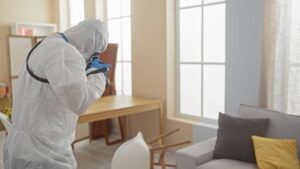
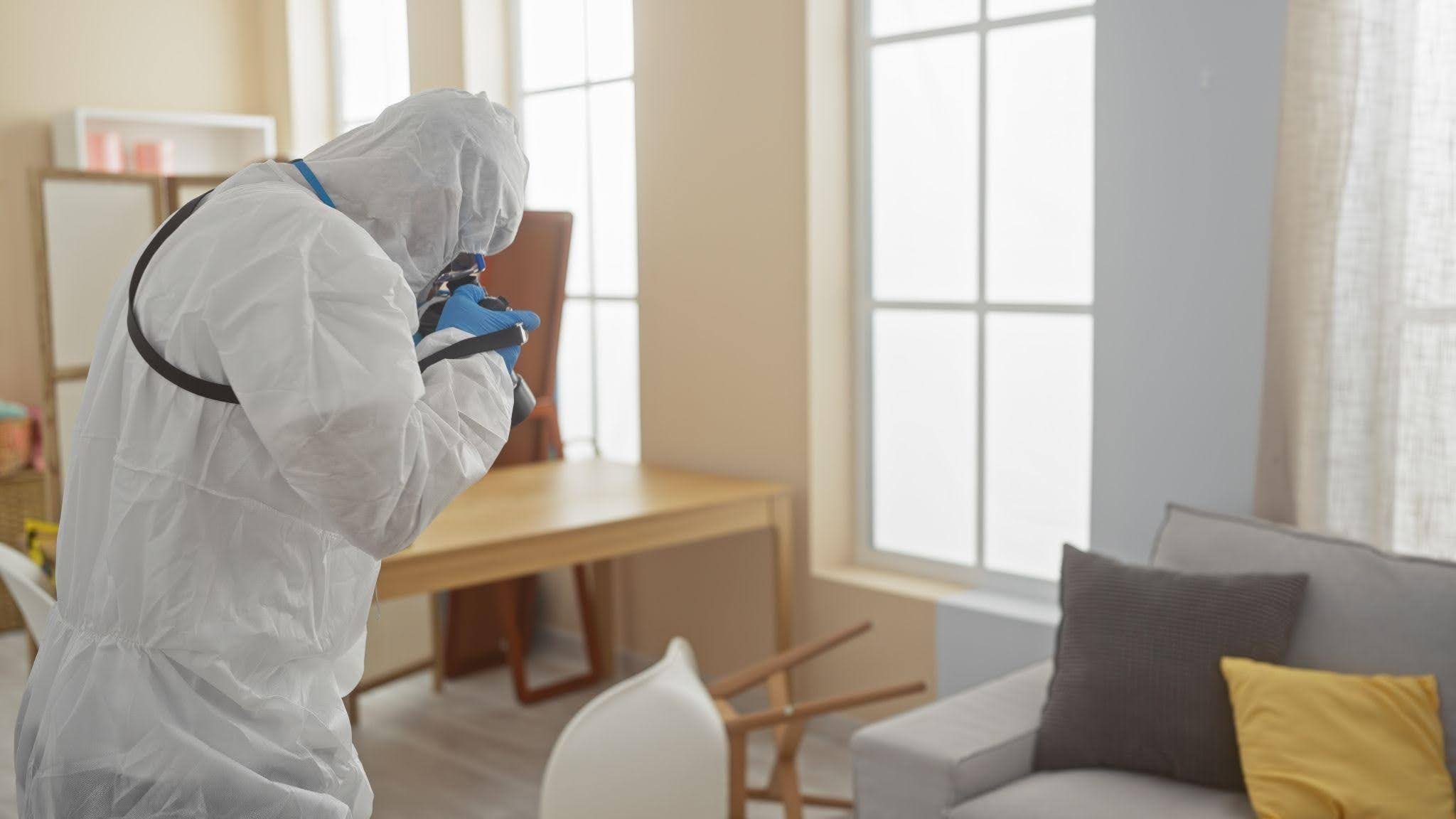
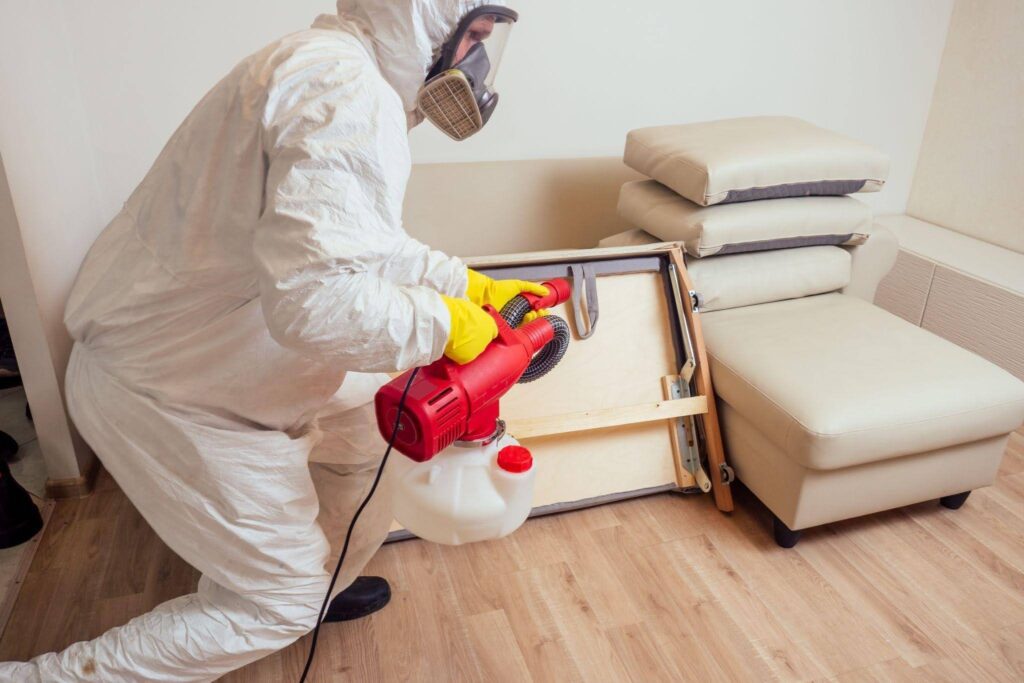
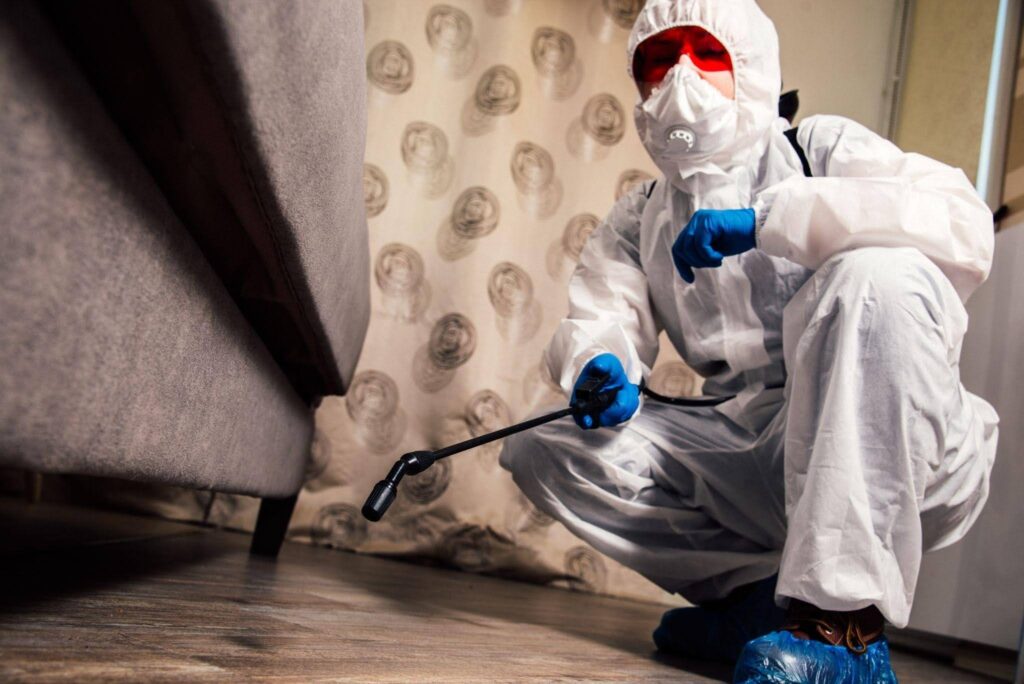
A trained biohazard cleanup team uses protective equipment and appropriate cleaning methods. Technicians determine which surfaces to clean and which materials to remove. Their assessment limits unnecessary exposure.
What professional unattended death cleanup involves
A cleanup team checks the affected space for contamination beneath visible surfaces, then uses its findings to determine where cleaning and removal should begin.
During death scene cleanup, technicians typically:
- Control access and establish precautions for the affected space.
- Remove contaminated materials that cleaning won’t adequately address.
- Clean and disinfect suitable surfaces and investigate remaining odor sources.
Ask the company what it intends to remove and whether the property will need repairs afterward.
What happens to personal belongings?
Families often worry about losing photographs or items that carry personal meaning. Not everything in the room necessarily needs to be disposed of. An item’s condition determines whether professionals may clean it safely.
Tell the cleanup team which belongings matter most before crews begin removing affected materials. Ask them to explain what they may preserve and what poses an exposure risk. Avoid sorting through furniture or clothing in the affected area on your own.
How much of the home needs cleaning?
Contamination may reach materials beyond the immediate area where someone died. A professional inspection helps determine which parts of the property need cleaning and which remain unaffected. Fluids may travel through carpeting and reach the subfloor, while nearby surfaces may remain unaffected.
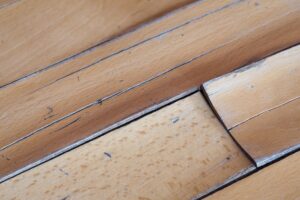
A professional inspection determines which materials need to be removed. Removing flooring or drywall may create additional repair needs.
What does cleanup cost, and will insurance help?
Costs depend on the affected area and the materials the crew needs to remove. Lingering odors or repairs may increase expenses. Request a written estimate that explains the work and includes any charges for disposal or subsequent repairs.
Homeowners or renters insurance may cover some costs, depending on the policy and circumstances. Ask your insurer about coverage and deductibles. In Utah, families dealing with a qualifying death by suicide may seek help through the state’s cleanup reimbursement program. The program has eligibility rules and doesn’t cover every unattended death.
What happens after the cleanup?
Before returning to the affected space, ask the crew to review the completed work and explain any remaining concerns. Request records of the completed work and find out whether the property needs additional repairs.
Some cleanup projects require crews to remove contaminated flooring or drywall. In those cases, property restoration services help address the remaining damage and prepare the space for use again. Ask when repairs may begin and what work the property still needs.
Common mistakes families should avoid
Pressure to clear a property quickly may lead to avoidable risks or expenses.
- Entering a room before the authorities release it.
- Trying to clean biological material with household products.
- Moving potentially contaminated belongings without professional guidance.
- Approving work before reviewing the proposed scope and costs.
Frequently asked questions
Does a funeral home clean the house after a death?
Generally, no. Funeral homes care for and transport the deceased. A specialized cleanup company addresses biological contamination that remains in the home.
Does the entire house need death scene cleanup?
Not necessarily. Technicians inspect the affected rooms and nearby materials to determine the scope. They shouldn’t assume every part of the home requires treatment.
How long does the cleanup process take?
It depends on the extent of contamination and whether crews need to remove building materials. Ask the company for a schedule after inspection.
Is it safe to stay in another room during cleanup?
Ask the cleanup team first. The answer depends on the property’s layout and contamination. Follow its guidance about which areas occupants should avoid.
Who authorizes cleanup when the homeowner dies?
The person with legal authority over the property or estate generally makes that decision. If you’re unsure who has authority, seek appropriate legal guidance.
What if the family lives out of state?
Families may arrange services remotely with an authorized person to provide access. Ask the company how it handles approvals and updates remotely.
Will the cleanup company provide insurance documentation?
Ask for a written scope and records of completed work. Your insurer may request estimates and invoices.
What if odors remain after cleaning?
Tell the cleanup company. Any remaining odors may indicate affected materials that need further attention. Ask the team to find the source.
Get respectful help from Total Flood & Fire Restoration
Families shouldn’t have to guess what a property needs after an unattended death. After authorities release the scene, avoid potentially contaminated areas until a professional explains the recommended work.
Total Flood & Fire Restoration helps Utah property owners assess the damage and understand their cleanup and restoration options. If you need support with unattended death cleanup, contact Total Flood & Fire Restoration to discuss the property and the next steps.