
Utah homeowners should prepare for winter storms by protecting vulnerable plumbing, checking the roof and drainage, planning for power loss, and knowing where the main water shutoff is. During and after the storm, watch for leaks, frozen pipes, blocked vents, and snowmelt. A practical winter home checklist helps you act before small problems spread.
How winter storms affect Utah homes
Freezing temperatures may threaten plumbing, while wind and ice may damage the exterior. When temperatures rise, melting snow can also cause leaks or other storm damage.
Good winter storm preparedness means knowing what to check before the storm, what to watch during it, and what to inspect once conditions improve.
What should Utah homeowners expect from a winter storm?
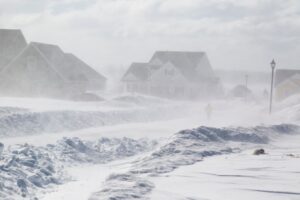
Utah winter storms may bring heavy snow or long stretches of below-freezing temperatures. Strong winds and ice may add other problems. Some also interrupt electrical service. Be Ready Utah’s severe weather guidance recommends winterizing your home and monitoring reliable weather information before winter weather arrives.
Each condition creates different problems. Deep snow may block exterior vents, while wind may damage roofing or siding. An extended cold raises the risk of frozen plumbing. When temperatures rise, melting snow may expose a roof leak or drainage problem that stayed hidden during the storm.
Start your winter storm preparedness before snow appears
The best time to prepare isn’t the evening before a major storm. Seasonal preparation gives you time to address weak points before snow limits your options.
Start with areas where cold or moisture may create property damage. Locate plumbing near exterior walls or unfinished spaces. Disconnect outdoor hoses before hard freezes arrive, and make sure everyone knows where the main water shutoff is.
Outside, check the roof from the ground. Clear gutters and make sure downspouts direct runoff away from the structure. Keep exterior vents accessible before deep snow arrives.
Your winter home checklist should also include smoke and carbon monoxide alarms. Test them before storm season, especially if you rely on an approved backup heat source.
These steps won’t prevent every problem, but they give you a stronger starting point before severe weather arrives.
What to do when a winter storm is on the way
When the forecast calls for heavy snow or extreme cold within the next day, focus on the tasks that still make a meaningful difference. You don’t need to complete an entire season of home maintenance in a few hours.
Use this snow storm preparedness list to set priorities:
- Confirm where the main water shutoff sits and keep the path to it clear.
- Check plumbing in colder rooms or along exterior walls.
- Charge phones and backup batteries before the weather worsens.
- Secure loose outdoor items that strong wind may move.
- Put snow-removal tools somewhere easy to reach.
- Check exterior furnace or appliance vents before snow starts.
- Move important belongings away from basement areas with a history of leaks.
Keep watching the local forecast as conditions change. Local warnings should guide your immediate decisions.
Protect your plumbing when temperatures fall
Frozen pipes deserve extra attention because a small section of ice may lead to a much larger water problem. Pipes near exterior walls or in poorly insulated spaces often face the greatest exposure. Plumbing in garages or unfinished utility areas may also need closer attention during a prolonged freeze.
Keep the home heated. If sink plumbing along an exterior wall gets cold, opening the cabinet doors may help warmer indoor air reach it. During severe cold, some homeowners let a small amount of water move through a vulnerable faucet.
More importantly, know what to do if the water flow suddenly slows or stops. A frozen line may begin leaking as the ice melts. Shut off the water if a leak starts.
If water reaches drywall or flooring, professional water damage restoration may help determine how far the moisture traveled. An inspection also helps identify what needs to be dried.

What if the power goes out during freezing weather?
If the power goes out and the furnace shuts down, the temperature inside your home may drop fast enough to put some pipes at risk of freezing.
Preserve the heat already inside by keeping exterior doors closed. Pay closer attention to colder rooms and plumbing along outside walls. National Weather Service winter safety guidance also stresses safe heating and generator use during winter storms.
Never use charcoal indoors. Keep generators outdoors and away from doors or windows. Follow manufacturer instructions for approved backup heat sources.
What should you watch during the storm?
While the storm is moving through, pay attention to any changes in the home that may indicate a problem.
Watch for the following:
- A sudden drop or loss of water flow
- New water stains on ceilings or walls
- Dripping near windows or other exterior openings
- Indoor temperatures are falling sharply during an outage
- Snow is blocking exterior vents within safe reach from the ground
Don’t climb onto an icy roof to investigate a concern. If you notice a leak, move belongings away from the affected area and contain any dripping water when it’s safe to do so. Shut off the water if plumbing causes a leak.
What should you check after a winter storm?
Once conditions improve, don’t assume the house came through without damage simply because everything looks normal. Some winter problems appear only after the snow stops or temperatures rise.
Walk through the home and check likely trouble spots:
- Look at ceilings beneath roof areas for fresh staining or damp spots.
- Check plumbing along exterior walls and in colder utility spaces.
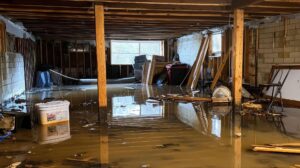
- Look around the basement walls and floors for new moisture.
- Check windows and exterior doors for signs of water entry.
- Inspect accessible attic areas only when entry feels safe.
Then walk around the exterior from the ground. Look for roof or siding damage from the ground. Also watch for fallen limbs and snow piled against important openings. Make sure downspouts have a clear path for snowmelt.
This post-storm review belongs on every winter home checklist. Finding a problem early helps you control the source before moisture spreads farther.
Pay attention when temperatures rise
The thaw deserves as much attention as the freeze. Warmer temperatures may reveal damage that stayed hidden while snow and ice remained solid.
A frozen pipe may start leaking once the ice melts. Snow on the roof may melt into runoff that finds a damaged shingle or another opening. Snow around the house may also move toward low areas near the foundation.
Keep checking exposed areas as temperatures rise. A new stain or damp area may tell you more than what you saw during the storm.

Know the signs that a storm has damaged your home
Some storm damage starts with a small sign. A ceiling stain or damp flooring near a wall may mean water has already moved into nearby materials.
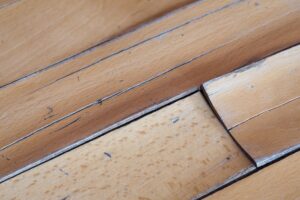
Look for obvious signs that water has gotten into the home. Wet drywall or damp flooring may mean the moisture has spread beyond the spot you can see. If a pipe bursts, act quickly even after you shut off the water.
Wind may create another path for moisture by damaging roofing or siding. If snow or water enters through storm damage, restoration may involve temporary protection, drying, and repair planning.
What matters most is where the water traveled and which materials it reached.
Winter storm mistakes that may make problems worse
A strong snow storm preparedness list should also help you avoid choices that create more risk.
- Waiting to find the water shutoff. Know where it sits before a pipe bursts or another leak starts.
- Assuming a frozen pipe is fine. Keep watching the area as temperatures rise, since leaks may appear during the thaw.
- Using an open flame to thaw plumbing. Choose a safer method and avoid creating a fire hazard.
- Climbing onto a snowy or icy roof. Inspect from the ground and bring in professional help if the roof needs a closer look.
- Using outdoor combustion equipment indoors. Never bring generators or similar equipment inside for heat during an outage.
- Ignoring a small ceiling stain. Document what you see and keep monitoring the area. If moisture spreads, get a closer look and address the source.
Frequently asked questions
How cold does it have to get before I should worry about frozen pipes?
No single temperature creates the same risk in every home. Pipe location and insulation both matter. Indoor temperature and the length of the freeze also affect the risk. Focus on plumbing in areas that regularly get colder than the rest of the house.
Should I drip my faucets during a Utah winter storm?
A small flow of water may help with certain vulnerable pipes during extreme cold, but you don’t need to treat every faucet the same way. Start with plumbing near exterior walls or in poorly insulated areas. Your broader winter storm preparedness should also include maintaining indoor heat and knowing where to shut off the water.
How do I know whether a pipe froze?
A faucet that suddenly produces little or no water may point to a frozen section of pipe. Monitor the area as temperatures rise, as a crack may start leaking once the ice melts.
What should I do if the power goes out during freezing weather?
Keep as much heat as possible inside the home and monitor plumbing in colder areas. Use only safe heating methods. If indoor temperatures continue falling, give vulnerable pipes more attention.
What should I check when the snow starts melting?
Your snow storm preparedness list shouldn’t end when snowfall stops. Check ceilings and basement areas for moisture. Look at plumbing that faced extreme cold, and watch drainage around the home as the snow melts.
When should I call a restoration company after a winter storm?
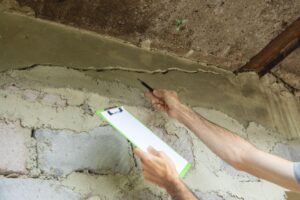
Call for help when water spreads into building materials or when the moisture path remains unclear. A restoration team may inspect affected areas, remove water when necessary, and develop a drying plan based on the damage.

Prepare now and know what to do if damage appears with Total Flood & Fire Restoration
If a burst pipe or roof leak sends water into your home, address the source first when it’s safe. Take the same approach to other winter-storm leaks. Then consider how far the moisture may have spread.
Contact Total Flood & Fire Restoration if winter weather leaves your home with water or storm damage. Our team will inspect the affected areas and help you build a practical cleanup and restoration plan.