Choosing a sewage cleanup company starts with finding a team that understands contaminated water and clearly explains its process. Ask how the team will inspect the damage and decide what needs to be removed. Find out how they monitor drying and document the work. Compare the scope of each estimate rather than looking at price alone.
Know what to ask before sewage cleanup begins
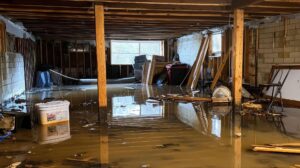
A sewage backup puts you in a position where you need answers quickly. You may already have a plumber working on the source while contaminated water sits inside your home. Choosing the first restoration company that answers the phone may feel tempting.
A fast response matters, but it shouldn’t decide everything. The company also needs a clear plan for the property. Before you agree to sewage damage restoration, understand how the team will inspect the affected area and why it recommends certain steps. You should also know what happens after cleanup. The right questions help you compare companies based on their process rather than their promises.
What should you look for in a restoration company?
Start with an experience that matches the problem in front of you. A company that handles ordinary leaks may approach contaminated water differently than it would a broken supply line. Ask how often the team handles sewage losses and what its process looks like from the first inspection through the final walkthrough.
A strong company should explain its decisions. Look for a team that explains why certain materials may need removal and how it monitors moisture before repairs begin.
Other factors worth checking include:
- Relevant restoration training and credentials
- Emergency response availability
- A written scope of work
- Clear documentation practices
- Experience working with insurance claims
- Repair or reconstruction services after cleanup
For a sewage loss, look for a company with experience handling contaminated water and the resulting property damage. Professional sewage damage restoration may involve much more than removing standing water, so ask how the team will assess the affected materials and determine what the property needs. When you compare companies, don’t stop at whether they offer sewage damage cleanup. Pay attention to how clearly they explain their approach to your specific property.
What should professional sewage cleanup include?
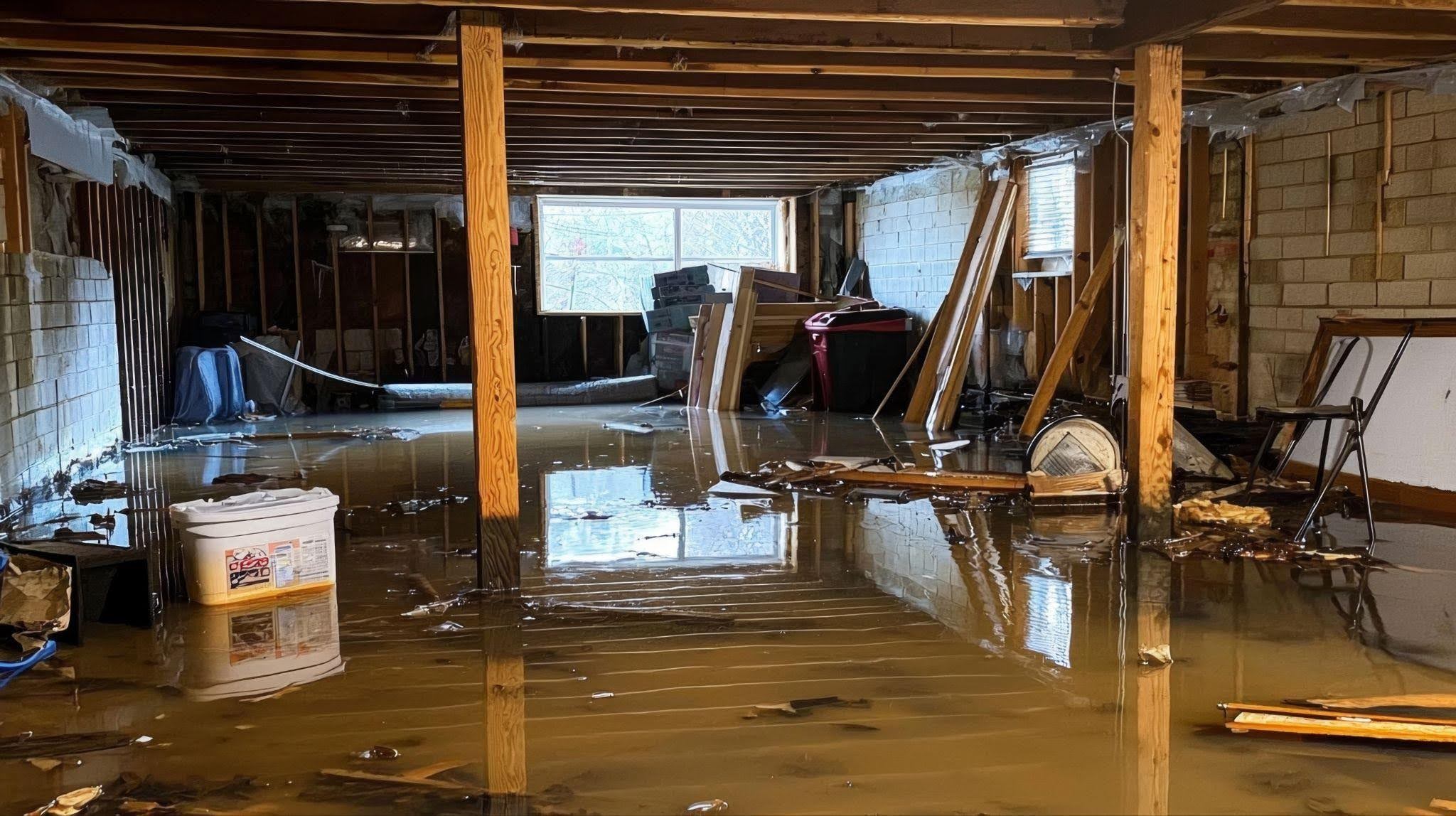
Professional cleanup should start with an inspection of the affected area. Visible water doesn’t always show the full path of the loss. Water may be moving beneath the flooring or reaching the wall materials beyond the spot where you first noticed the backup.
The company should explain how it will identify those areas before removal begins. From there, the work usually follows several stages.
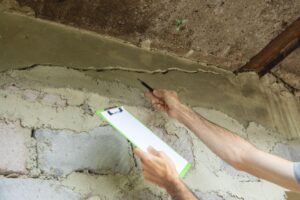
Inspect the affected area
The team should identify where the sewage traveled and determine which materials it reached. That inspection defines the work area and gives you a clearer idea of what comes next.
Control the work area
Crews should limit unnecessary traffic through the affected space and protect areas that the backup didn’t reach. Ask how the company plans to separate the work area from the rest of the property.
Remove materials when needed
Not every material responds to contamination in the same way. The company should explain why it recommends removing a particular material rather than giving you a blanket answer.
Clean and dry the remaining structure
After removal, the team should address the remaining surfaces and materials. Drying matters because a sewage loss also introduces moisture into the structure. Professional water damage restoration may involve checking areas beneath flooring or inside walls where moisture may remain after the visible water is gone.
Verify conditions before repairs
The company should have a clear way to determine when cleanup and drying have reached the point at which repairs may proceed. That gives you something more useful than a visual guess.
What should a good company be able to explain?
The company should be able to explain what it plans to do in a way that makes sense to you.
Ask, “How do you know how far the sewage traveled?” A useful answer should explain the inspection process and how the team checks beyond the visible mess.
Then ask, “Why does this material need to come out?” The company should connect that recommendation to the material’s condition and the extent of contamination. You shouldn’t hear the same removal answer for every property before anyone inspects the loss.
You should also ask how the team knows when an area has dried enough for the next step. A restoration company should explain how it monitors moisture rather than relying only on sight or touch.
Finally, ask what happens if the crew uncovers more affected material. The company should explain changes to the scope before the project expands.
Why the scope matters more than the lowest estimate
Two estimates may show very different totals because they don’t always cover the same work. One company might quote removal and surface cleaning. Another may also cover structural drying or later repairs.
That makes the scope more useful than the bottom-line number when you compare bids for sewage damage cleanup.
Ask what the estimate covers and what it leaves out. Then ask what might change the price after work begins. Hidden moisture behind finished surfaces may expand the project once crews gain access.
A clear estimate won’t predict every hidden condition. It should still explain what the company expects to do and how it will communicate changes.
Red flags to watch for before hiring
If a company keeps dodging simple questions about the work, that should give you pause. Pay attention to how clearly the team explains the project before you sign an agreement.
Potential red flags include:
- Giving a final price before inspecting the loss
- Refusing to explain why a material needs removal
- Treating sewage like an ordinary clean-water leak
- Giving vague answers about moisture monitoring
- Failing to explain what the estimate covers
- Adding work without explaining why the scope changed
- Promising to save every affected material before inspection
- Offering no clear documentation process
If a company keeps giving unclear answers about the work, ask for more details before you agree to move forward.
What professional guidance says about sewage losses
Removing the standing water is only part of the job. The ANSI/IICRC S500 Standard for Professional Water Damage Restoration addresses inspections and drying. It also covers safety and project documentation. The standard notes that the property owner generally holds responsibility for correcting the source unless the restoration contract includes that work.
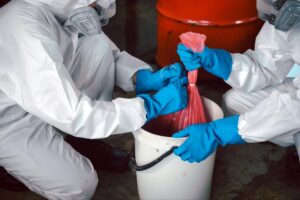
Worker protection also matters. The CDC recommends protective equipment for workers who handle sewage, including gloves and eye protection. That guidance reinforces an important point: contaminated water requires a different response from routine household cleaning.
What matters is whether the company has a clear process for handling the contamination and the damage it leaves behind.
Questions to ask before hiring
A short phone conversation may tell you a lot about how a company approaches the job. Use questions that require an explanation rather than a yes-or-no answer.
Consider asking:
- How much experience does your team have with sewage losses?
- What training does the crew have for this work?
- How will you determine where the sewage traveled?
- How do you decide which materials need to be removed?
- How will you protect unaffected areas?
- How will you check for hidden moisture?
- How will you monitor drying?
- What does your estimate cover?
- What might change the scope after work begins?
- Will you document materials before removal?
- What documentation will I receive afterward?
- Do you handle repairs after cleanup?
Pay attention to how clearly the company explains its recommendations. If conditions change once the work begins, the team should explain what changed and why the scope needs to be adjusted.
That approach gives you a better comparison than asking only whether the company offers 24-hour service.
Who handles the source and the repairs?
A restoration company doesn’t always fix the problem that caused the backup. A plumber may need to clear a blockage or repair damaged plumbing. A sewer contractor may need to address a line outside the home.
Fixing that source solves only one part of the problem. Contaminated water may still leave damaged materials inside the property.
Ask where the restoration company’s scope begins and ends. If it doesn’t handle reconstruction, find out when another contractor should step in and what information will transfer into repairs.
FAQ
Should I call a plumber or restoration company first?
Call a plumber when an active plumbing or sewer problem needs attention. If sewage has entered the property, contact a restoration company to assess the resulting contamination and material damage. You may need both services during the same loss.
What should sewage damage cleanup include?
The scope depends on the property, but the company should inspect the affected area and explain what needs to be removed. It should also address the remaining surfaces and monitor moisture before repairs proceed.
Should I get more than one estimate?
If conditions allow you to compare companies without delaying necessary work, another estimate may help you understand differences in scope. Compare what each company covers rather than choosing by price alone.
How do I know whether sewage cleanup is complete?
Ask how the company verifies conditions before repairs. You should also understand what documentation you’ll receive and what work still needs attention.
Does homeowners’ insurance cover a sewage backup?
Coverage depends on your policy and the cause of the loss. Contact your insurance carrier or agent to review your coverage. Ask the restoration company what documentation it will provide for the claim process.
Get clear answers from Total Flood & Fire Restoration
A sewage backup already gives you enough uncertainty. The restoration company shouldn’t add more. Look for a team that explains what it found and why it recommends each step. You should understand the scope before work moves forward and know who will handle the next phase after cleanup.
If your Utah property needs help after a sewage backup, contact Total Flood & Fire Restoration for an inspection and a clear plan for cleanup and restoration.