
Water damage in a rental property calls for immediate action. Landlords should shut off the water, check on tenant safety, document the affected areas, and arrange cleanup before moisture spreads. The cause of the loss may determine who pays, but landlords still need to manage repairs and communicate with tenants throughout the restoration process.
A leak affects the property and the people living there
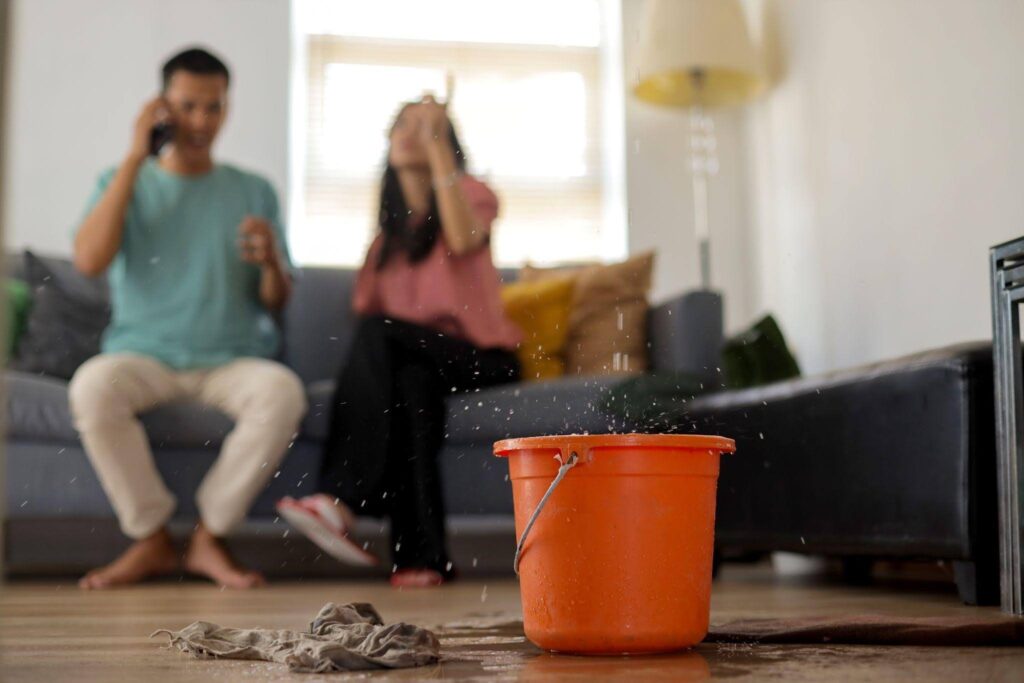
A tenant calls to say water has spread from the laundry room into the hallway. The machine has stopped leaking, but the floor still feels wet. You need to determine what happened and whether the unit remains safe.
Water damage in rental property units creates additional responsibilities when tenants are still occupying the space. Start with the immediate risks, then work through the damage and the decisions that follow.
What to do when a tenant reports water damage
First, protect tenants and limit the spread of water. Ask where the water started and whether it’s still flowing. If you’re away, offer instructions without asking tenants to enter unsafe areas.
Follow these steps:
- Stop the source when it’s safe. Shut off the appropriate water valve for a plumbing leak. Call a plumber if the source needs professional repair.
- Check for hazards. Keep people away from standing water near electrical equipment. Avoid contact with sewage or water of unknown origin.
- Record what happened. Ask when the tenant first noticed the problem. Take photographs of visible damage and save the tenant’s initial report.
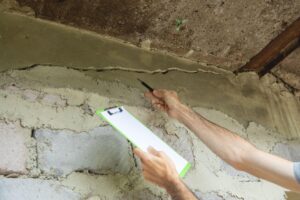
- Arrange an inspection. Water may reach flooring or wall cavities before it leaves an obvious stain. Bring in a restoration professional when you suspect concealed moisture.
- Keep tenants informed. Tell tenants who will schedule access.
Even if you haven’t heard back from your insurance company, you should still arrange cleanup as soon as possible to prevent the water from spreading and causing further damage.
Who pays for water damage in a rental property?
Don’t assume that whoever noticed the leak caused it. Investigate the source before asking anyone to reimburse you.
When a tenant causes the damage
Tenant-caused water damage might involve a bathtub overflow or a damaged fixture. If a tenant acted negligently, the lease and applicable law may give the landlord grounds to recover reasonable repair costs.
A tenant isn’t necessarily responsible when something breaks during normal use. For example, a washing machine hose may wear out and start leaking without any warning. Before assigning responsibility, find out who maintained the appliance and whether the tenant noticed any signs of a problem.
When a building system or storm causes damage
A corroded pipe might burst inside a wall. Heavy rain might enter through a damaged roof. In those situations, the landlord generally coordinates building repairs and reviews the property insurance policy.
Sometimes responsibility remains uncertain. For example, a tenant might report a leak several days after first noticing dampness in the flooring. Document what the investigation reveals, including any damage that developed during the delay. With tenant-caused water damage, reimbursement depends on the evidence and relevant lease terms. Handle disputes separately from urgent cleanup.
What Utah landlords need to know about habitability
Utah’s Fit Premises Act requires landlords to maintain rental housing that meets applicable safety and habitability standards. Leaks may affect habitability when they compromise plumbing or create serious hazards.
Under Utah Code section 57-22-6, a landlord must begin corrective action within 24 hours after receiving a qualifying notice of a dangerous condition. That rule concerns a condition that presents a substantial risk of imminent loss of life or significant physical harm. It isn’t a general deadline for finishing every leak repair.
For qualifying habitability violations, proper written notice initiates a three-calendar-day period during which the landlord must take substantial corrective action. Tenant conduct may affect which statutory remedies apply. Review the circumstances and seek legal advice before deciding on rent adjustments or ending a tenancy.
How to find damage beyond the visible leak
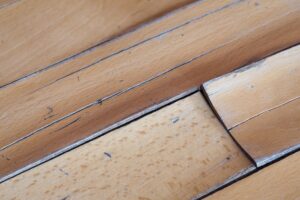
Water may remain beneath the flooring or behind walls even after the surface looks dry. In some cases, it may also spread into nearby rooms without leaving obvious signs of damage.
Check for warning signs such as:
- Soft or uneven flooring near the source
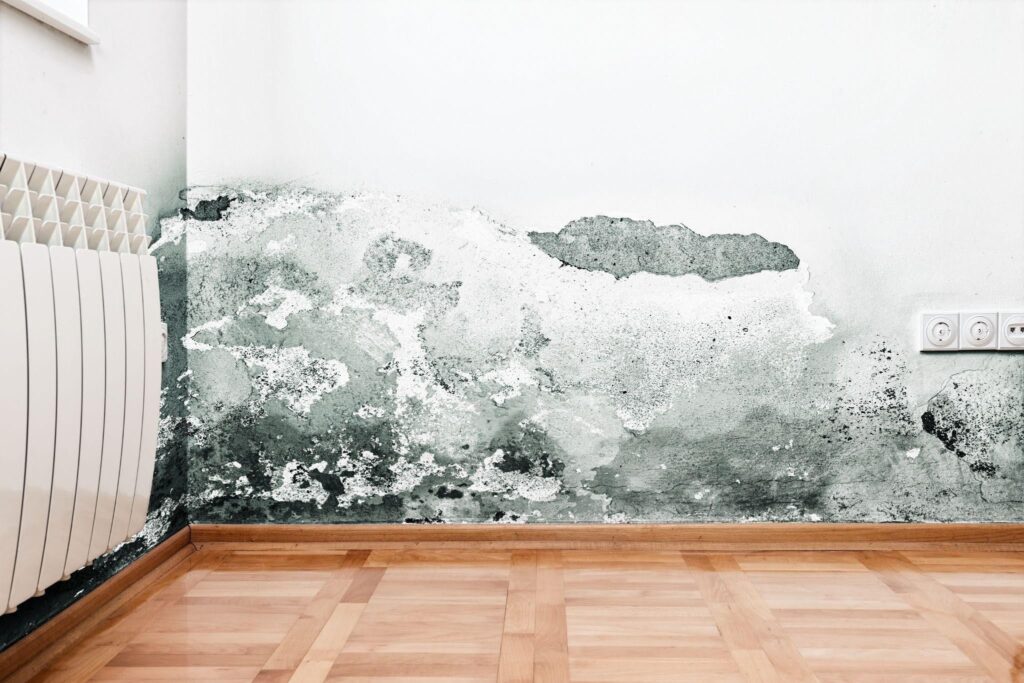
- Damp baseboards or discoloration at the bottom of walls
- A musty odor that develops after cleanup
- Water stains in a downstairs unit beneath an upstairs leak
A moisture inspection helps identify which areas need drying. Moisture that remains in flooring or walls may also lead to mold growth, which is why the EPA recommends drying wet materials within 24 to 48 hours. Some materials may take longer to dry completely.
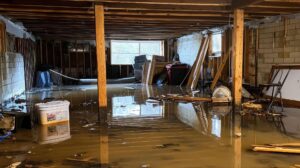
Water damage in rental property basements also deserves attention after snowmelt or heavy rain, especially when the same area has leaked before.
What happens during water damage restoration?
Once a plumber stops the leak, restoration crews still need to address the water that entered the building. Professional water damage restoration generally starts with an inspection that identifies affected materials and sets a drying plan.
Crews then remove standing water where necessary. They place drying equipment according to the property’s conditions and check moisture levels as materials release water. Some flooring or drywall may dry successfully. Other materials may need removal when contamination or damage prevents safe recovery.
Before scheduling reconstruction, ask how the team verified drying and which areas still need repairs. A wall that looks normal might still hold moisture behind the finish. The records help explain the work to tenants and insurers.
If a leak reached two apartments, inspect both. A downstairs ceiling stain may reveal water between floors.
How to work with tenants during repairs
Tenants need updates they understand, particularly when crews require access to their home. Name one point of contact and explain when the technicians will arrive. Tell them if crews need them to move belongings.
Decide whether people may safely remain in the unit while work continues. Loss of essential utilities or serious contamination may require temporary relocation. Discuss that decision with qualified professionals and review the lease alongside Utah law. Don’t promise hotel reimbursement or rent reductions without checking the circumstances.
If several units share the damage, notify each household about the areas the crews need to inspect. Follow the lease and applicable entry rules. Keep a written record of your communications.
How to handle insurance and restoration expenses
Contact your property insurer promptly and ask what documentation the claim requires. Building coverage may cover sudden plumbing losses, while floods or sewer backups may require separate protection. Coverage depends on the policy and the cause.
Renters insurance may help tenants with eligible belongings or additional living expenses. It generally doesn’t replace the landlord’s building coverage.
Keep a single file with photographs and the initial incident timeline. Add contractor estimates and invoices as work progresses. Keeping records of water damage in rental property buildings helps you track costs and repairs across multiple units.
Common mistakes landlords should avoid
A rushed response sometimes leaves the original problem unresolved. Watch for these mistakes:
- Waiting for a liability decision: Start necessary mitigation before arguing about who pays.
- Replacing finishes too early: Confirm drying progress before closing walls or installing flooring.
- Ignoring adjacent units: Follow the water path, even when another tenant hasn’t reported damage.
- Treat recurring moisture as a new accident: Investigate the source rather than repeatedly repairing the same stain.
- Losing track of communication: Keep tenant updates and contractor findings in writing.
How to prevent another rental property water loss
Routine checks help landlords spot problems sooner. Inspect supply connections between tenancies and pay attention to moisture around water heaters. Before winter, review vulnerable pipes in unheated areas. Check drainage when the snow starts melting.
Make leak reporting easy for tenants. Give them an emergency number and ask them to report even small drips. Between tenancies, inspect plumbing connections and appliance hoses to help prevent water damage from leaks that might otherwise go unnoticed.
Frequently asked questions
Who pays if a tenant floods a rental property?
The cause determines whether the tenant may be liable for repair costs. Document the incident before assigning responsibility. A landlord still needs to arrange urgent work that protects the building.
Is a landlord responsible for tenant-caused water damage?
The landlord generally coordinates necessary building repairs. If the tenant’s negligence caused the loss, the landlord may seek reimbursement under the lease and applicable law.
How quickly must a Utah landlord respond to water damage?
Respond promptly to protect the property. Utah law requires action within 24 hours after a qualifying notice of a dangerous condition, while other habitability concerns follow different procedures.
Does a landlord have to pay for a tenant’s hotel?
Not in every situation. The answer depends on habitability, the lease, and applicable law. Insurance may also affect temporary housing options, so verify responsibilities before making promises.
Does landlord insurance cover a burst pipe?
Some policies cover sudden plumbing failures, but exclusions and deductibles vary. Ask the insurer to review the cause and confirm what your specific policy covers.
What if a tenant waits to report a leak?
Investigate when the tenant first noticed the problem and how the delay affected the damage. Avoid assuming that late reporting makes the tenant responsible for the entire loss.
How long does water damage restoration take?
The timeline depends on the materials and how far the water has traveled. Ask the restoration team for updates based on moisture readings rather than assuming a fixed drying schedule.
What if water spreads into the apartment downstairs?
Inspect both units and coordinate access with each tenant. Crews should check ceilings or other concealed areas along the water’s path before planning repairs.
How do I know when the property is ready for repairs?
Confirm that the plumber repaired the source and review the restoration team’s drying results. Address any remaining contamination or damaged materials before crews install new finishes.
Protect your rental property with Total Flood & Fire Restoration
A leak in one room may disrupt an entire rental. Protect tenants and assess the damage promptly. Then keep the process organized from the initial inspection through repairs.
If water has reached the flooring or walls at your Utah rental, contact Total Flood & Fire Restoration for help assessing the damage. Our team will explain the next steps for cleanup and drying so you know what the property needs before repairs begin.