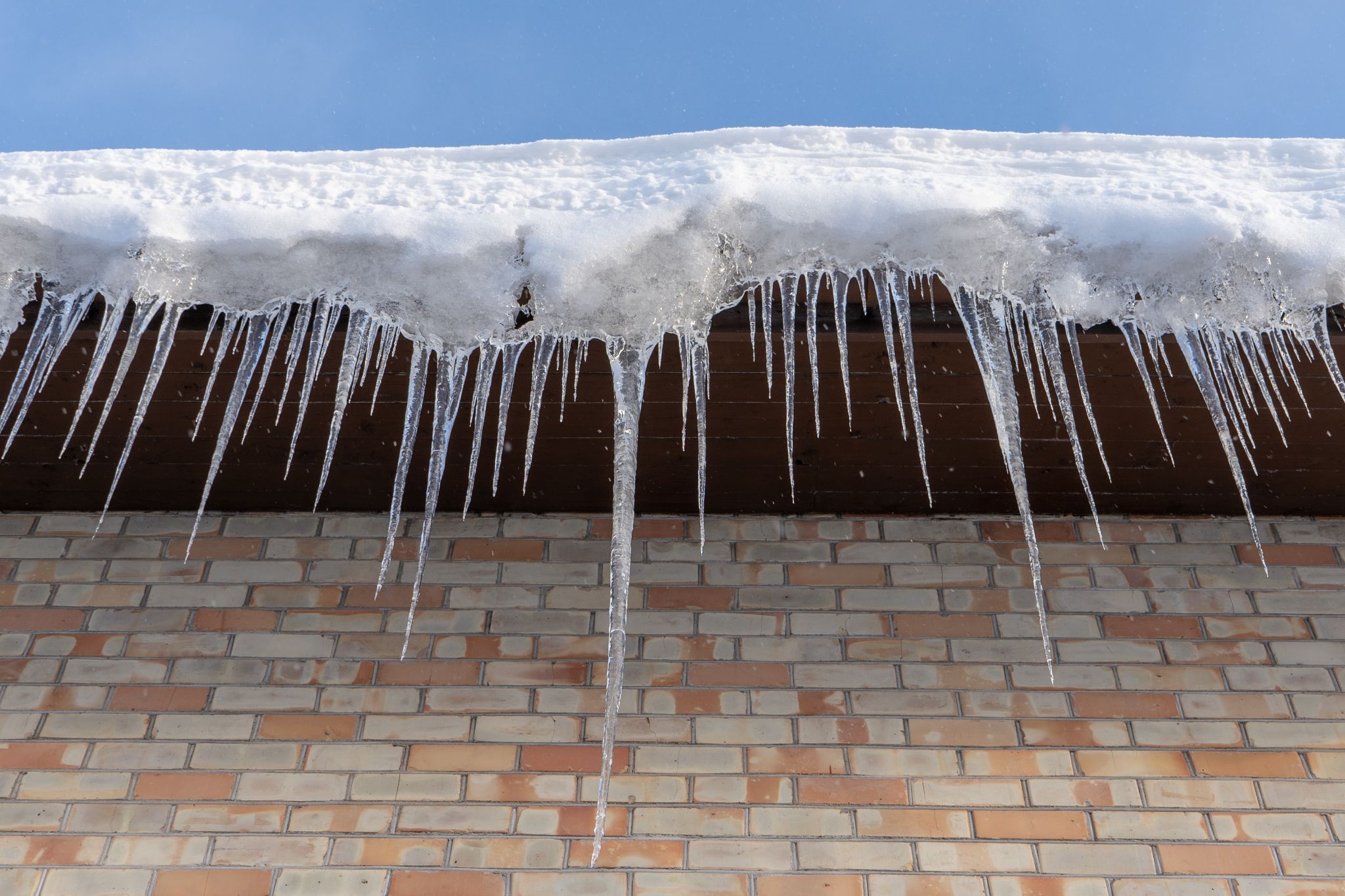
Ice dams form when snow melts on a warmer section of your roof and refreezes near its colder edge. The resulting ridge traps water, which may slip beneath shingles and reach your attic or ceilings. This guide explains how to prevent ice dams, recognize warning signs, and respond if melting snow enters your home.
When ice buildup along your roof becomes a problem
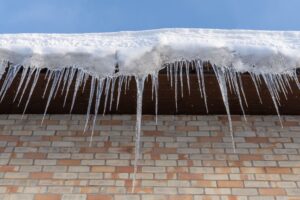
Icicles along the gutters might look like an ordinary part of a Utah winter. But when ice forms a ridge at the roof’s edge, melting snow may have nowhere to go. Trapped water may seep beneath shingles and cause water damage inside your home before the ice looks particularly serious.
Watch for thick ice along the roof’s edges or water stains on upstairs ceilings. These signs may point to a developing leak, so it’s worth having a roofer take a closer look before water causes further damage.
What causes ice dams?
Ice dams form when heat from the home warms parts of the roof, melting the snow above. As that water flows toward the colder edges, it freezes and gradually builds up.
Here’s how it happens:
- Heat from the home escapes into the attic, warming parts of the roof.
- Snow melts over those warmer areas and runs downhill.
- Water reaches the colder overhang and freezes near the gutters.
- Repeated melting builds a ridge of ice that holds back later runoff.
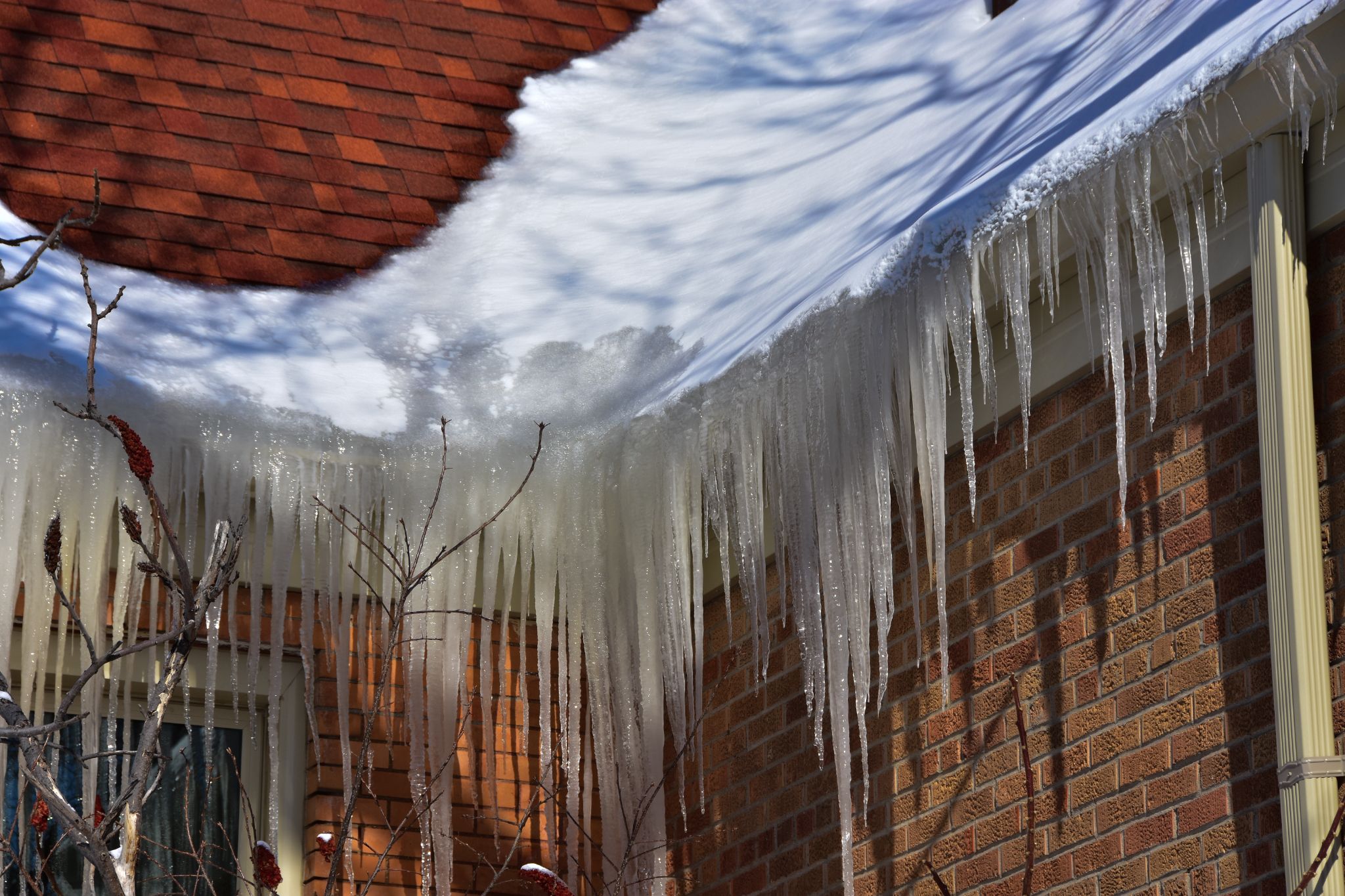
During Utah winters, a sunny afternoon may melt snow on one section of the roof while the shaded eaves stay cold. These uneven roof temperatures allow melting snow to refreeze near the edges, gradually forming an ice dam.
If thick ice forms in the same area every winter, a roofing contractor may need to investigate the causes of ice dams there.
How to recognize the warning signs
Check the roofline from the ground after snow and freezing weather. Watch for:
- A thick band of ice along the eaves
- Icicles hanging from an area where water seems to collect
- Bare patches are higher on the roof while snow remains along the edges
- Water stains near the top of an exterior wall or on an upstairs ceiling
Icicles are common during winter, but thick ice along the roof’s edge may indicate a problem. Check the upstairs rooms for water stains or peeling paint near the ceiling, as these may indicate a roof leak. If you notice signs of ice buildup, have a roofer inspect the area rather than climbing onto the roof yourself. You should also check your attic for insulation or ventilation issues that may contribute to the problem.
How ice dams damage your roof and home
As water collects behind the ice, it may travel beneath shingles and reach the roof decking. The leak might appear far from the roof’s edge as water follows the framing before dripping into a room.
When water finds an opening, the problem may continue long after the snow stops falling. Possible damage includes:
- Roof decking: Repeated wetting may weaken or deteriorate wood.
- Gutters: Heavy ice may bend sections or loosen fasteners.
- Attic insulation: Wet insulation loses some of its insulating performance.
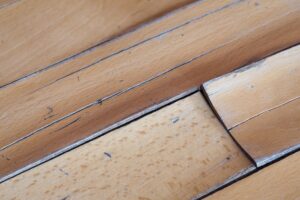
- Ceilings and walls: Water may leave stains or soften drywall.
When water reaches the attic or seeps into walls, it may leave behind moisture that encourages mold growth. A restoration team can check for hidden moisture and identify areas that need drying. Even a small ceiling stain may indicate that water has reached the materials above it. If you notice signs of a leak, professional water damage restoration can help address moisture issues before they cause further damage.
How to prevent ice dams
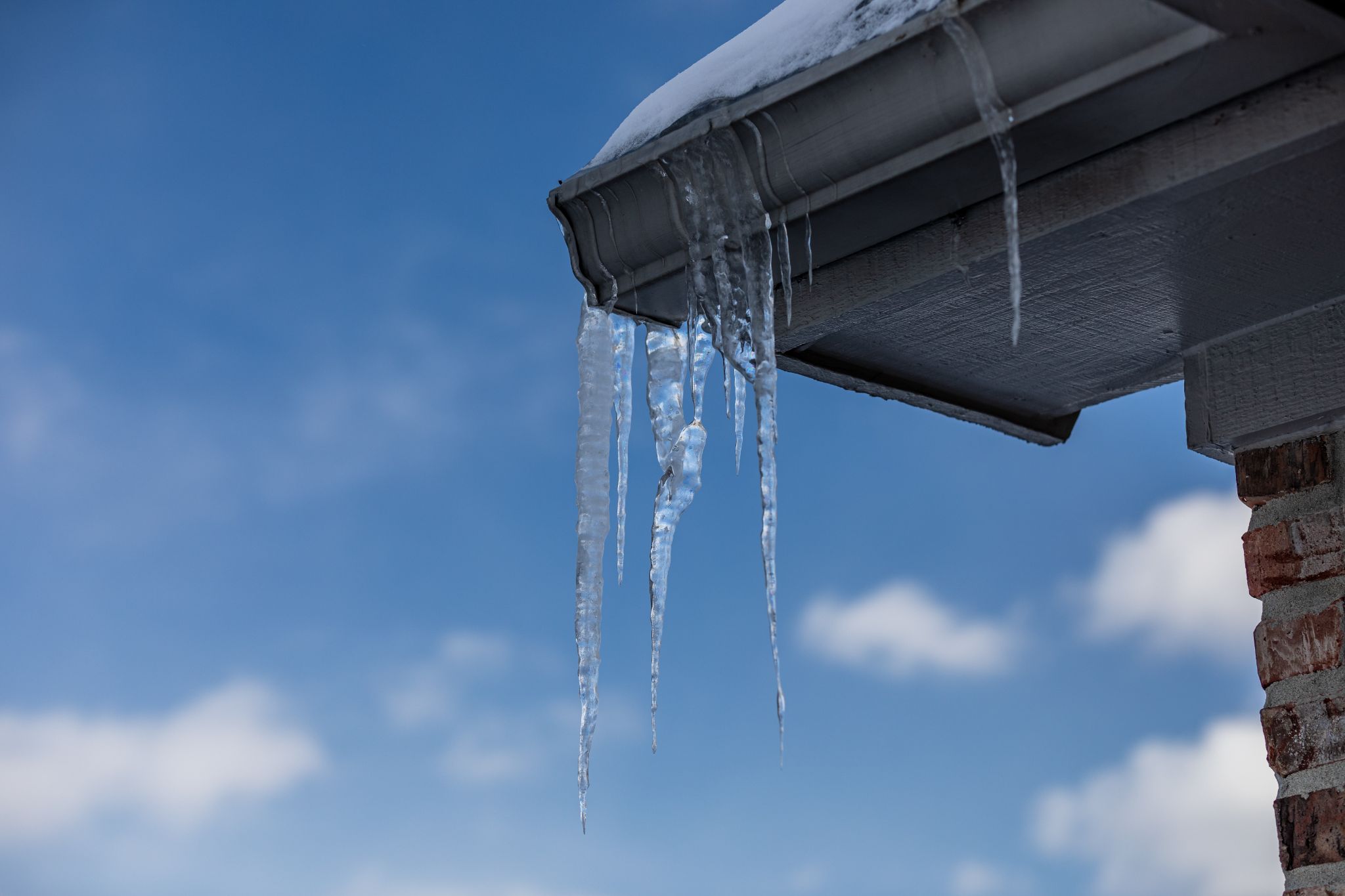
If you’re trying to figure out how to prevent ice dams before winter, start by checking your attic for air leaks and insulation problems. Heat escaping from the home warms sections of the roof, so addressing those issues helps reduce repeated ice buildup.
- Seal attic air leaks. Close gaps around attic hatches and ceiling penetrations. Leave work near electrical fixtures or flues to qualified contractors.
- Improve insulation. Check attic insulation, particularly near the eaves. Ask a professional to evaluate it before adding material.
- Check ventilation. In a vented attic, clear blocked soffit vents. Ventilation supports air sealing and insulation.
- Keep gutters clear. Clear debris before winter. Clean gutters won’t fix uneven roof temperatures.
- Manage heavy snow safely. Use a roof rake from the ground where it’s safe, or hire a professional.
- Consider heat cables selectively. Heat cables may maintain drainage paths, but won’t correct heat loss.
Improving attic air sealing and insulation helps reduce heat loss that contributes to ice buildup. If ice keeps returning each winter, have a contractor check for heat escaping around attic access points and through areas above heated rooms.
How to remove ice safely
If ice has formed, reduce the snow feeding it. A roof rake may help you clear accessible eaves while standing on the ground. Avoid falling ice and scraping shingles.
For thick buildup or an active leak, contact a roofer who offers low-pressure steam removal. Professionals may open temporary channels for trapped water, but those channels may refreeze.
Avoid attacking the ice with a hammer or pouring boiling water onto the roof. Both risk roof damage. When ice poses no immediate problem, waiting for a thaw may be safer.
After removing the ice, ask a roofing professional how to prevent ice dams from returning, especially if you’ve dealt with the same problem during previous winters.
What to do if an ice dam causes a leak
A ceiling stain or steady drip suggests water has reached the interior. Protect the area, then address the leak and assess wet materials.
- Move belongings out of the affected area. Catch drips only where it’s safe.
- Watch for electrical hazards. Stay away from wet light fixtures and outlets. Call a qualified electrician if water reaches electrical components.
- Document the damage. Photograph visible damage before cleanup.
- Call a roofing professional. Ask them to address the ice and investigate the roof leak.
- Check interior moisture. Contact a restoration professional if water reaches insulation or finished surfaces.
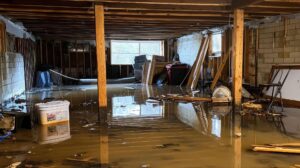
Water may continue moving through materials after dripping stops. Roof repair and interior drying address different problems. If water has soaked into insulation or drywall, a moisture inspection helps determine the scope of cleanup before you repair stained surfaces. If winter weather has created an entry point for water, professional storm damage restoration may help protect the property and handle the resulting cleanup.
FAQ
Are icicles always a sign of ice dams?
No. Dripping water may freeze without forming a ridge that blocks drainage. Watch for thick ice along the eaves.
What causes ice dams on only one side of a roof?
Sun exposure and uneven heat loss in the attic affect where ice forms. Roof valleys also influence buildup.
Do clogged gutters cause ice dams?
Clogs worsen drainage, but uneven roof temperatures drive most ice dams. Cleaning gutters doesn’t fix attic heat loss.
Will an ice dam melt on its own?
Warm weather eventually melts ice. Don’t wait if water has already entered your home.
Do metal roofs develop ice dams?
Yes. Metal roofing may shed snow differently, but snowmelt still refreezes at colder edges. Proper roof design and attic heat control remain important.
Does a new roof prevent ice dams?
No. New shingles won’t fix attic air leaks or inadequate insulation. Roofers may also recommend protective underlayment.
Does homeowners insurance cover ice dam damage?
Some policies cover resulting interior water damage, while other expenses may fall outside coverage. Review your policy and ask your insurer about documentation and deductibles. Keep photos and repair records.
Protect your home with Total Flood & Fire Restoration
Regular roof inspections and reducing attic heat loss help limit ice buildup. If you notice a leak, arrange repairs promptly and check interior moisture even after dripping stops.
Total Flood & Fire Restoration helps Utah homeowners assess and address water damage from winter storms. If melting snow has left wet ceilings or other affected materials, contact Total Flood & Fire Restoration to discuss an inspection and the next steps for cleanup and restoration.