Unattended Death Cleanup: What Families Should Know

Unattended death cleanup addresses biological contamination when someone dies and remains undiscovered for a period of time. After authorities release the property, professionals inspect the affected area and determine what needs to be cleaned or removed. Families should avoid contact with potentially contaminated materials and seek professional biohazard cleanup before handling belongings in the affected […]
10 Signs of Water Damage in Your Home
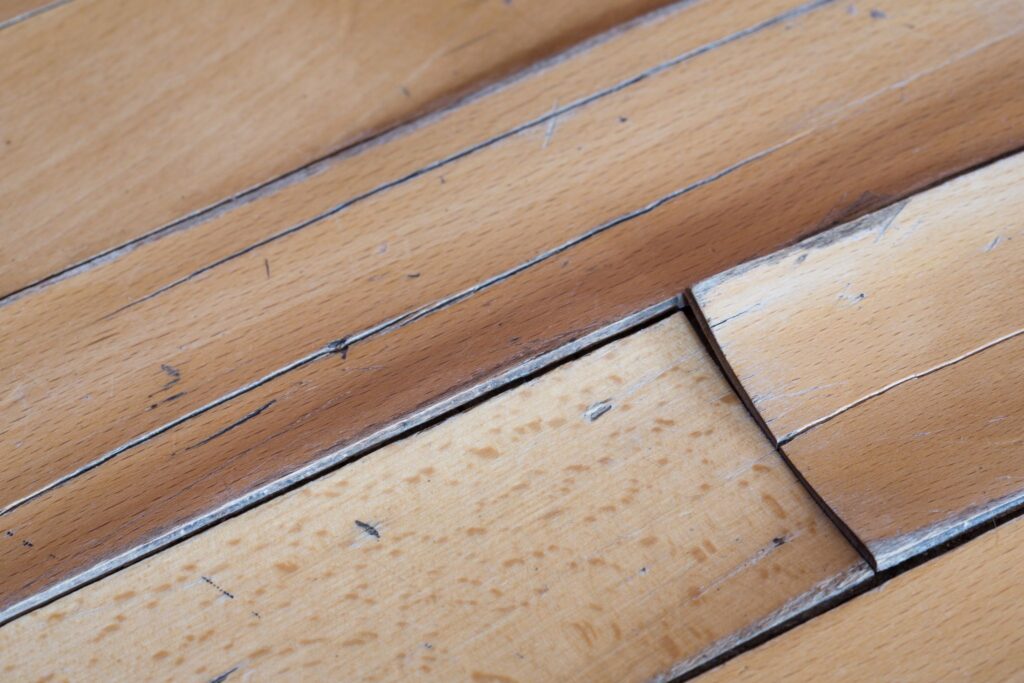
How are you supposed to know if there’s water damage in your home? What if you don’t catch it until it’s too late? If you know what to look for, you can see signs of water damage in your home.
How to Choose a Sewage Cleanup Company: What to Look For
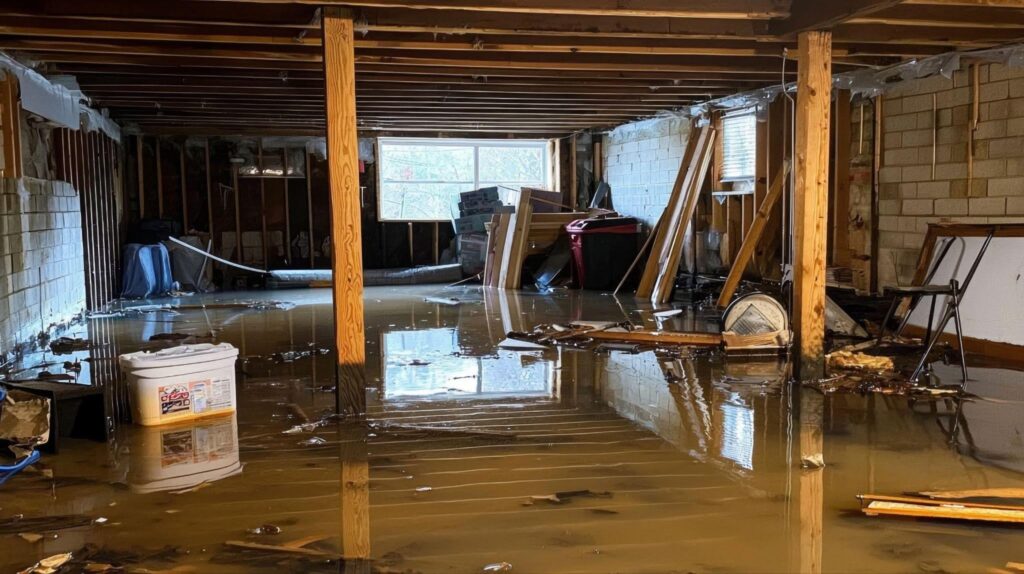
Choosing a sewage cleanup company starts with finding a team that understands contaminated water and clearly explains its process. Ask how the team will inspect the damage and decide what needs to be removed. Find out how they monitor drying and document the work. Compare the scope of each estimate rather than looking at price […]
How Utah Homeowners Should Prepare for Winter Storms
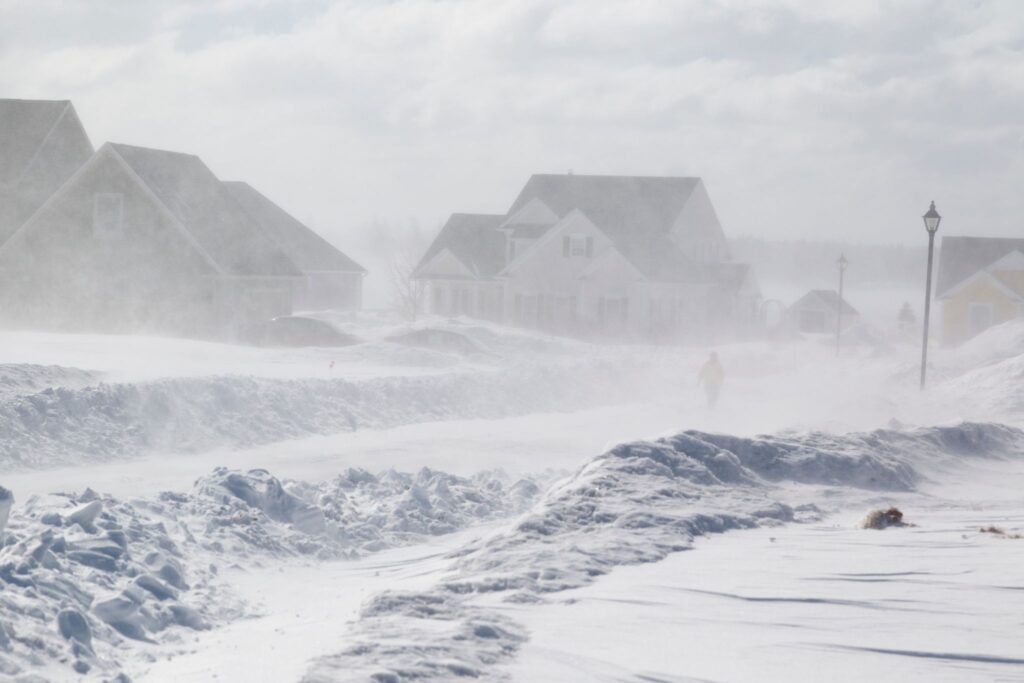
Utah homeowners should prepare for winter storms by protecting vulnerable plumbing, checking the roof and drainage, planning for power loss, and knowing where the main water shutoff is. During and after the storm, watch for leaks, frozen pipes, blocked vents, and snowmelt. A practical winter home checklist helps you act before small problems spread. How […]
Is Your Utah Home Ready for an Earthquake Along the Wasatch Fault?
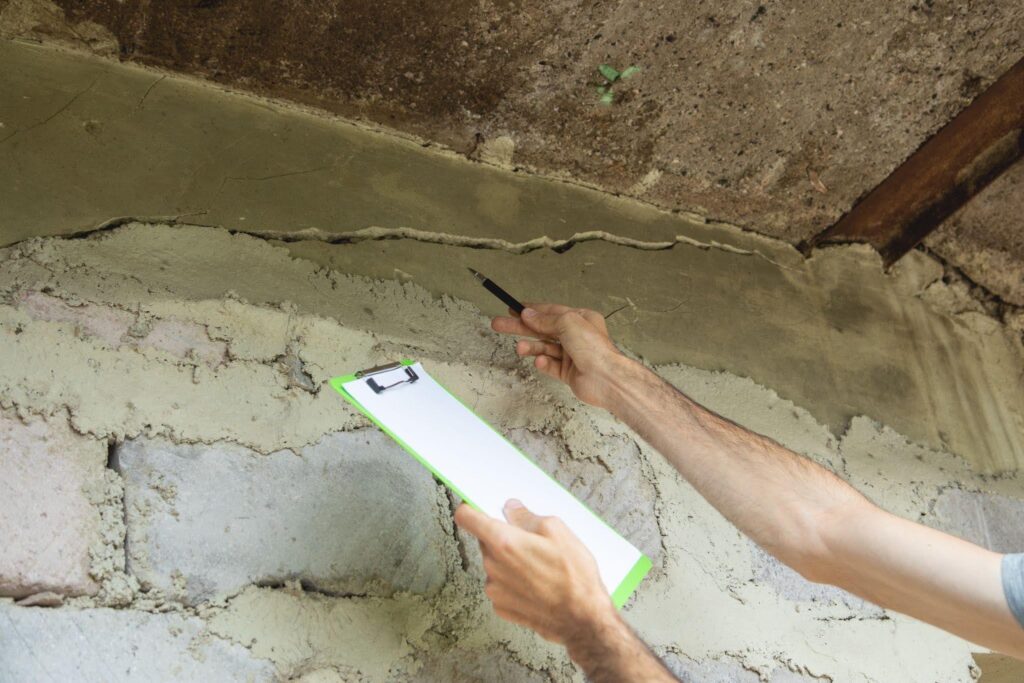
Utah homeowners face a real earthquake risk along the Wasatch Front. Strong shaking may damage homes well beyond the fault itself, especially older masonry homes or properties with vulnerable utilities. Earthquake preparedness starts with understanding your home and reducing avoidable hazards. It also means knowing what to do if shaking leaves behind structural or restoration […]
How Wildfire Smoke Damage Affects Utah Homes
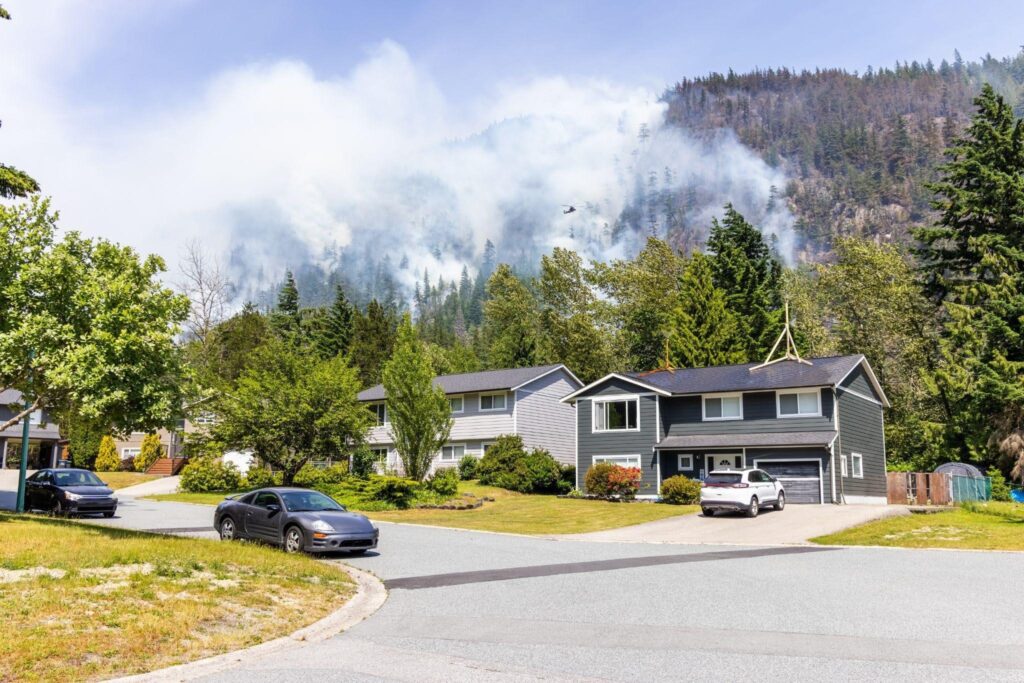
Wildfire smoke may affect your home even when flames never reach the property. Fine particles move through small openings and ventilation systems before settling on surfaces or belongings. Persistent odors, visible residue, ash, or smoke smells that return when your HVAC system runs may indicate wildfire smoke damage that warrants a closer look. Wildfire smoke […]
What to Expect During Biohazard Cleanup for a Hoarded Home
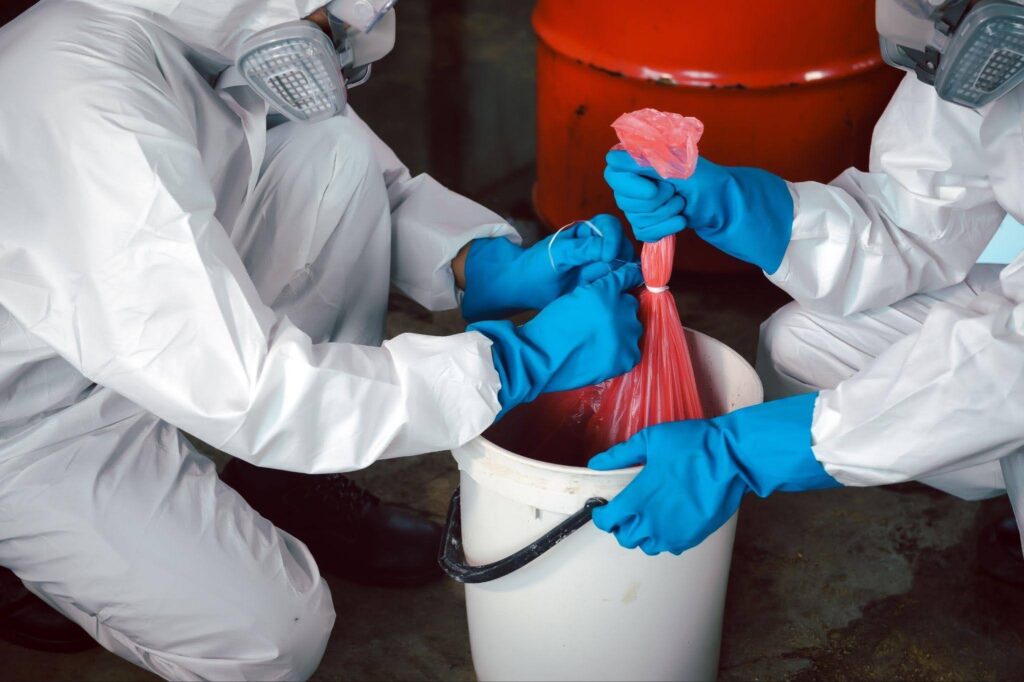
Biohazard cleanup in a hoarding situation starts with an assessment of the property and the contamination present. Crews first establish safe access and sort affected contents. They then remove contaminated materials and clean exposed surfaces. The process may also reveal hidden property damage that needs restoration. Not every hoarded home contains biohazard contamination. When the […]
How Much Does Storm Damage Restoration Cost in Utah?
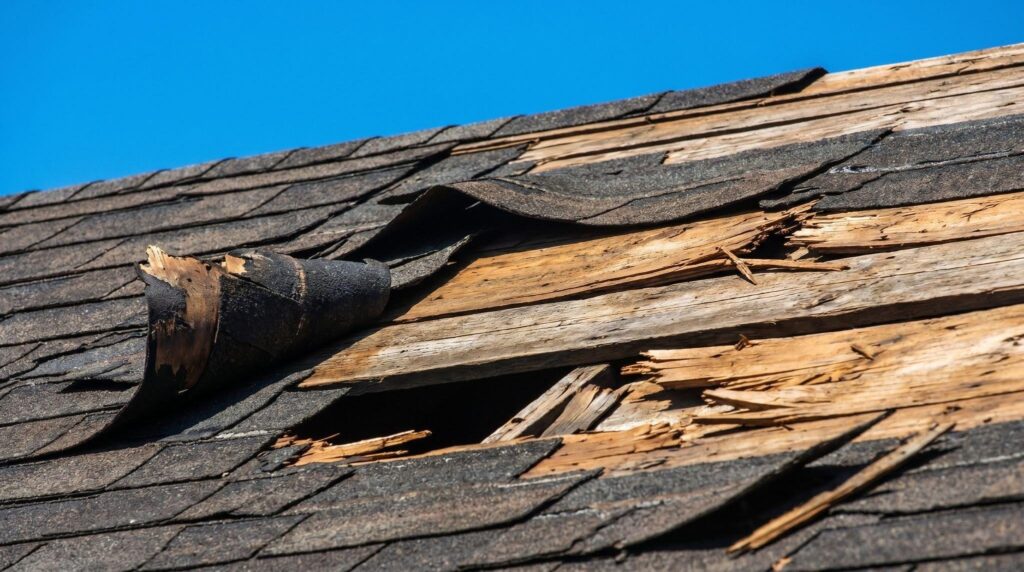
Why storm restoration costs vary so much A few missing shingles may look like a straightforward repair. A property-specific storm damage inspection gives you a clearer picture of the work ahead and helps the restoration team build the scope around what your home actually needs. If rain gets inside, a relatively simple roof repair may […]
10 Tips on How to Prevent Water Damage
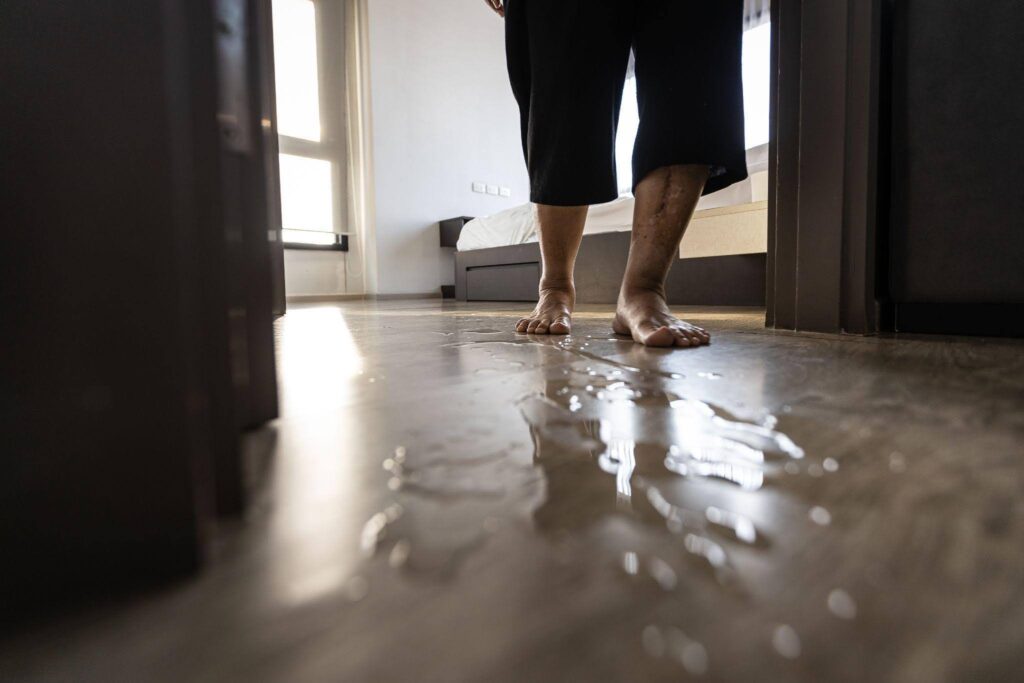
In this blog, we will share five essential tips to help you prevent water damage and maintain the integrity of your home. Keep reading to learn more
Four Types of Smoke Damage and How to Identify Them
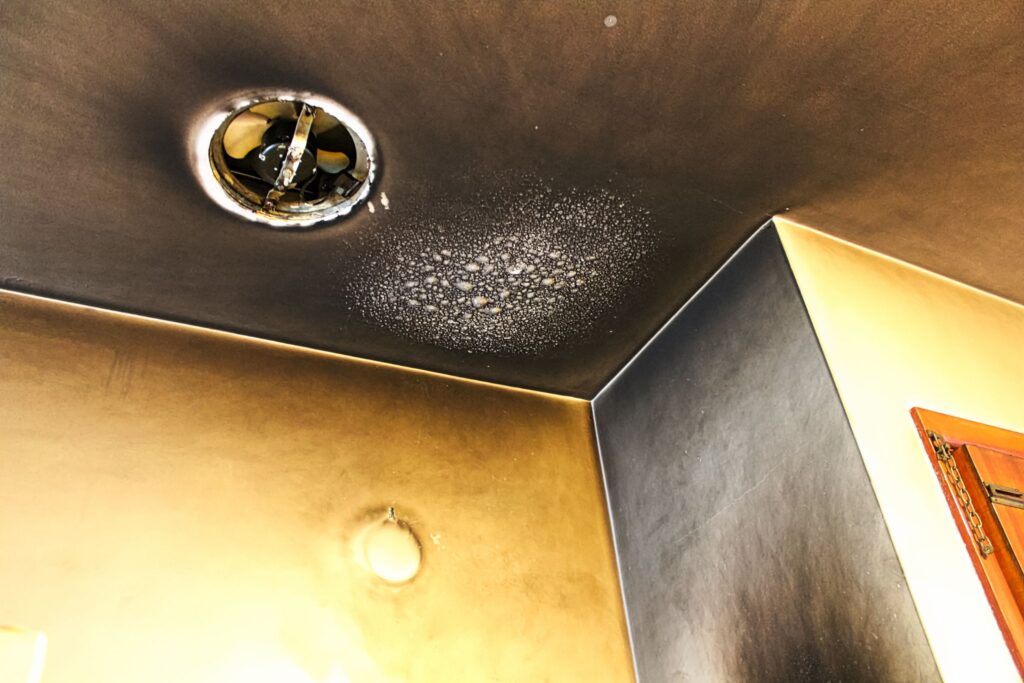
This blog will explain the differences between smoke stains and residue buildup, how to identify them, and how to effectively remediate them to restore your property to its pre-fire condition.