To document fire damage for an insurance claim, start by making the property safe to enter, contacting your insurer, taking clear photos and video, listing damaged items room by room, and saving all receipts and claim records. A strong fire damage insurance claim depends on thorough documentation before major fire damage cleanup begins.
After a fire, most homeowners feel overwhelmed by the damage, the disruption, and the number of decisions that need to happen quickly. One of the most important steps is documenting the damage correctly for insurance purposes.
Smoke, soot, firefighting water, broken windows, and hidden structural damage all affect what needs to be cleaned, repaired, or replaced. Good records help you organize the recovery process, support your fire damage insurance claim, and make fire damage cleanup easier to scope and prioritize.
Why documentation matters after a fire
Your fire damage insurance claim should cover more than the areas that were visibly burned. Smoke, soot, firefighting water, damaged belongings, and emergency expenses are all part of the loss. Take clear photos, make a detailed list, and save receipts before major cleanup begins.
Some problems show up right away, while others are easier to miss until cleanup starts. When you organize your photos, videos, inventory, and receipts early, you give yourself a clearer record of the damage and make the recovery process easier to manage.
How to document fire damage step by step
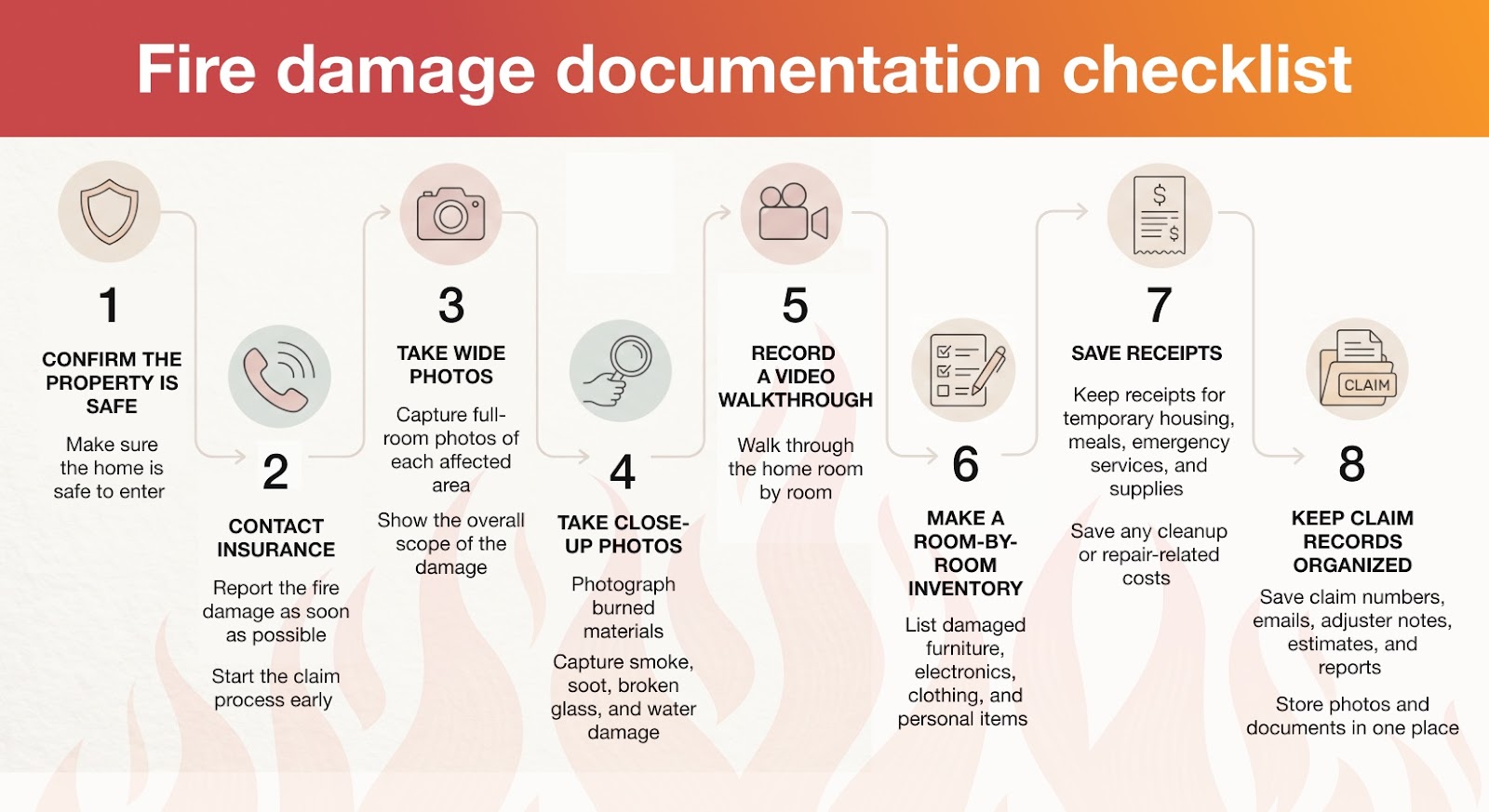
- Make sure the property is safe to enter. Don’t go back inside until officials clear the home for entry. Safety comes first after any fire loss.
- Contact your insurance company quickly. Report the damage as soon as possible so the claim process begins and you have clear next steps.
- Take wide photos of every affected space. Start with full-room photos to provide a clear record of the overall damage.
- Take close-up photos of specific damage. Capture burned materials, soot, smoke residue, broken glass, warped surfaces, and water damage from firefighting efforts.
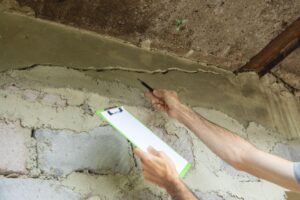
- Record video walkthroughs. Walk through the home, room by room, and explain what you see. This helps create a fuller record of the fire loss.
- Create a room-by-room inventory. List damaged furniture, electronics, clothing, appliances, tools, and personal items so nothing important gets overlooked.
- Save receipts for related expenses. Keep records for cleanup, temporary housing, meals, emergency services, supplies, and other costs tied to the fire loss.
- Keep claim records in one place. Save claim numbers, emails, notes, estimates, inspection reports, and contractor communication so everything stays organized.
- Ask restoration professionals to document hidden damage. During fire damage cleanup, crews may find smoke spread, soot inside walls, and other material damage that wasn’t obvious at first.
What homeowners should document
Many homeowners focus first on the most obvious fire damage, but the documentation should go beyond what looks burned at first glance.
Structural damage
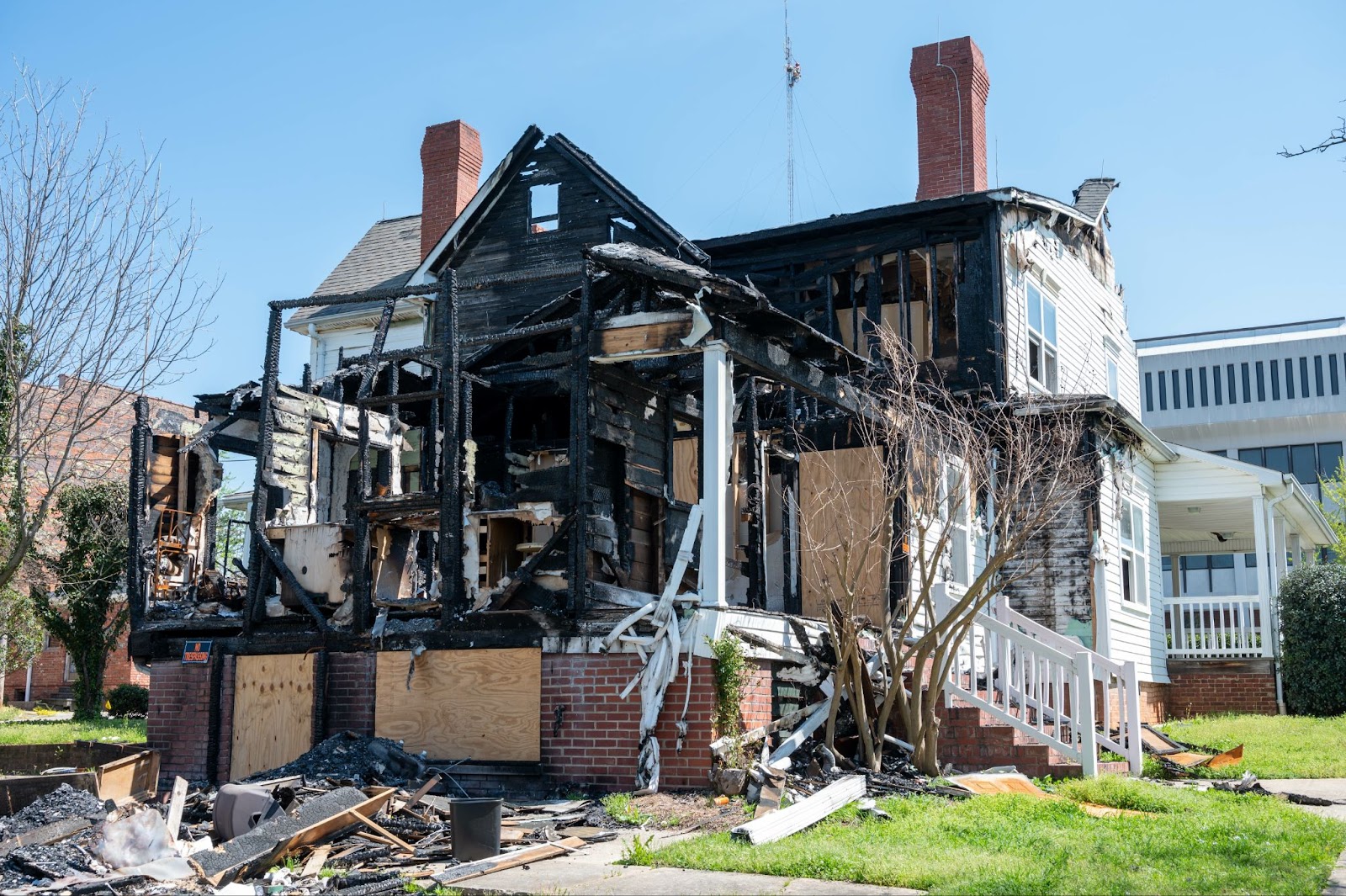
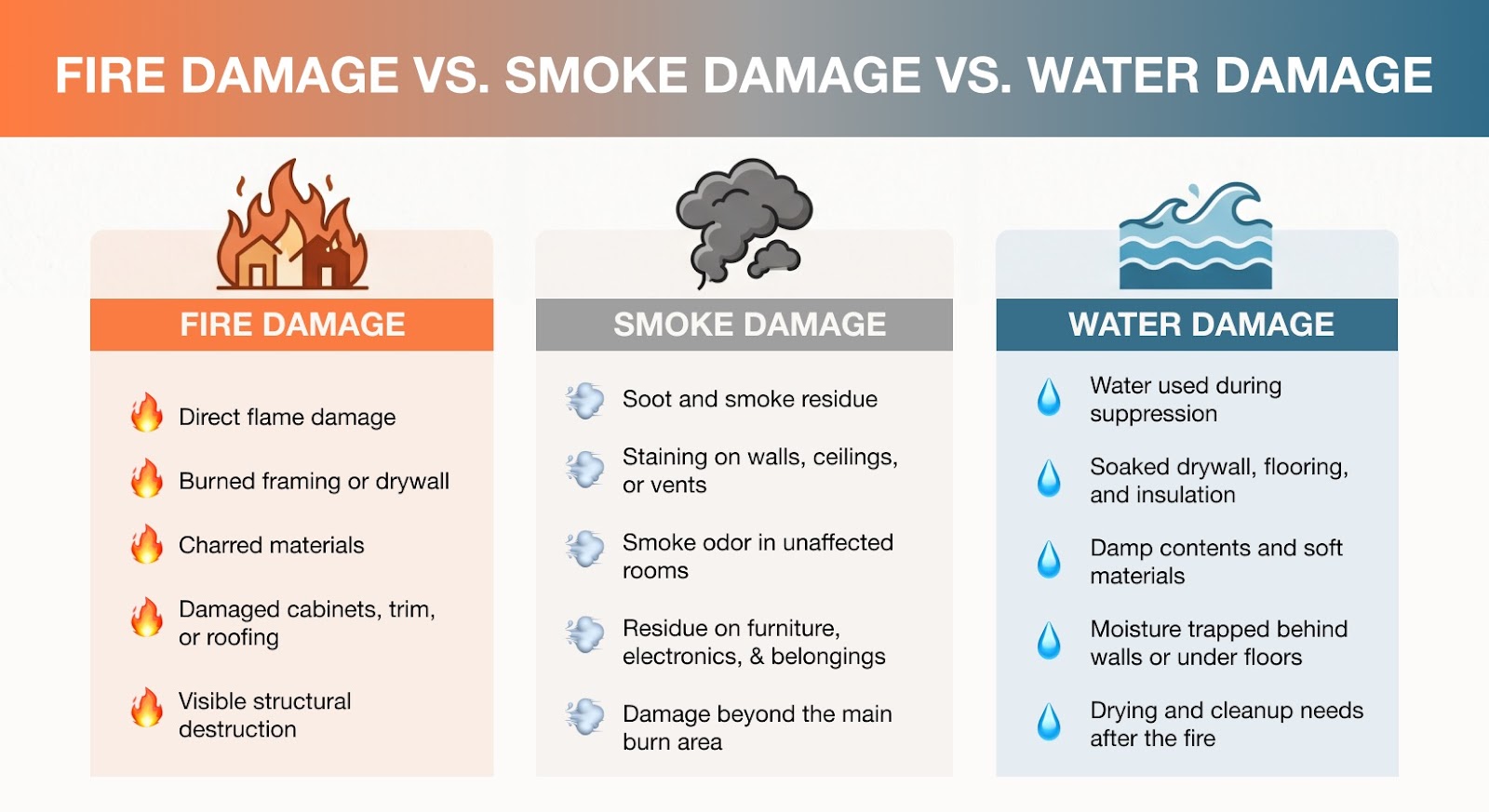
Document burned framing, roof damage, cracked windows, damaged drywall, scorched trim, damaged cabinets, and any areas opened during the emergency response. Fire affects more than the visible burn area, so it is important to capture all structural damage clearly.
Smoke, soot, and odor damage
Smoke and soot often spread well beyond the main fire area. Document staining on walls and ceilings, residue on vents and fixtures, and any items that carry a strong smoke odor. These details matter because a fire loss is often larger than the burned area alone.
Water damage after suppression
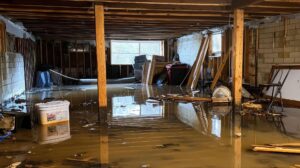
Firefighters used water to put out the fire, and that water can soak drywall, flooring, insulation, and personal belongings. This is one reason fire damage cleanup often includes drying, removal, and repair in addition to work on burn and smoke damage.
Contents and personal belongings
Document furniture, appliances, electronics, clothing, décor, and storage items. When possible, include brand names, model numbers, serial numbers, estimated age, and any receipts or proof of purchase you still have.
Benefits of strong documentation
Strong documentation helps in several ways:
- It supports a clearer fire damage insurance claim.
- It gives the insurer a fuller picture of the fire loss.
- It helps you track damaged belongings and structural issues.
- It improves communication with adjusters and contractors.
- It reduces confusion during fire damage cleanup.
- It helps you stay organized during a stressful recovery.
Common mistakes to avoid
A few common missteps weaken your records or make the claim process harder:
- Throwing damaged items away before documenting them
- Taking only a few photos instead of full room-by-room records
- Forgetting to document smoke, soot, and water damage after a fire loss
- Starting major cleanup too early without enough records
- Failing to save receipts for hotels, supplies, meals, or repairs
- Relying on memory instead of a written inventory
- Assuming a fire damage insurance claim only covers visibly burned materials
What the research says about cleanup and documentation
A few key guidance points stand out:
- Document damage before cleanup: Ready.gov recommends taking photos, making a list, and saving receipts.
- Don’t discard damaged goods too early: the Red Cross says not to throw them away until after you can create an inventory.
- Save receipts related to the fire loss: Ready.gov and Red Cross both emphasize receipt tracking for claims and recovery expenses.
- Fire damage often includes smoke and water: The U.S. Fire Administration says smoke and water will likely damage items in your home.
- Detailed property records help support recovery: FEMA advises documenting property, keeping receipts, and recording identifying details, such as serial numbers, when possible.
Tools and recommendations for a proper response
You don’t need complicated equipment to document a claim well, but you do need an organized system.
Helpful tools
- Smartphone or camera
- Flashlight for darker areas
- Notebook or spreadsheet for inventory
- Digital folder for receipts and reports
- Cloud backup for photos and videos
- A claim log with dates, names, and next steps
Smart recommendations
- Document the damage before moving or discarding items when it is safe to do so.
- Capture both wide shots and close-ups.
- Keep a room-by-room inventory.
- Save every receipt connected to the fire loss.
- Ask fire damage cleanup professionals to note hidden damage they find.
- Keep all fire damage insurance claim records in one place.
FAQ
What should I document first after a fire?
Start with safety first. Once the property is safe to enter, take wide photos and a video walkthrough of every affected area before major cleanup begins. Then create a room-by-room inventory and start saving receipts.
Should I throw away damaged items before the insurance adjuster sees them?
Usually, no. It is best to document damaged items before throwing anything away. If something creates an immediate health or safety risk, document it as thoroughly as possible before disposal.
Does a fire damage insurance claim include smoke and water damage, too?
It often can. A fire loss may include flames, smoke, soot, and water from firefighting efforts. Smoke, heat, soot, or water can still damage items that the fire did not burn directly.
How detailed should my inventory be?
Use a room-by-room list with photos, item descriptions, estimated ages, and receipts, if available. For larger items, include the brand name, model number, and serial number when possible.
Can fire damage cleanup teams help with documentation?
Yes. During fire damage cleanup, restoration professionals may find hidden damage, smoke spread, soot residue, and water-affected materials that are easy to miss at first. That can help create a more complete record of the fire loss.
How Utah conditions complicate fire recovery
In Utah, fire recovery becomes more complicated when weather exposure follows the initial event. If a fire damages roofing, windows, or exterior walls, rain, wind, or cold temperatures require fast documentation and emergency protection. In some areas, wildfire smoke and ember exposure also affect the scope of the damage assessment. That makes early records and quick coordination even more valuable.
Get help after a fire loss from Total Flood and Fire Restoration
A fire loss leaves you dealing with burned materials, smoke damage, soot, water damage, and a long list of insurance questions all at once. A strong fire damage insurance claim starts with clear records, organized receipts, and complete documentation before major cleanup moves forward.
If you need help with fire damage cleanup and the next steps after a fire loss, we’re here to help. Our team assesses the damage, supports the documentation process, and guides you toward a safer, more organized recovery. Contact Total Flood and Fire Restoration.