Storm damage restoration is the process of securing, cleaning, drying, repairing, and restoring a property after wind, rain, hail, or debris causes damage. Depending on the situation, homeowners may need emergency storm cleanup, temporary protection, water removal, and wind damage restoration to help prevent additional problems.
Why storm damage often requires more than one step
Storm damage will leave you dealing with several problems at once. A single storm may damage the roof, break windows, soak interior materials, scatter debris across the property, and create safety concerns for you and your family.
That’s why storm damage restoration often involves more than one step. You may need storm cleanup, temporary protection, drying, and wind damage restoration before full repairs begin. When you understand how the process works, it’s easier to respond quickly, protect your property, and take the right next step after the storm.
What storm damage restoration includes and why it matters
Storm damage restoration helps protect your property, remove debris or water, dry affected materials, and repair storm-related damage. It includes roof damage, broken windows, damaged siding, soaked insulation, and exposed interior areas.
Storm damage spreads quickly. What appears to be exterior damage at first also leads to interior moisture problems, structural concerns, and more costly repairs if left unaddressed early.
How storm damage restoration works
1. Make sure the property is safe to approach
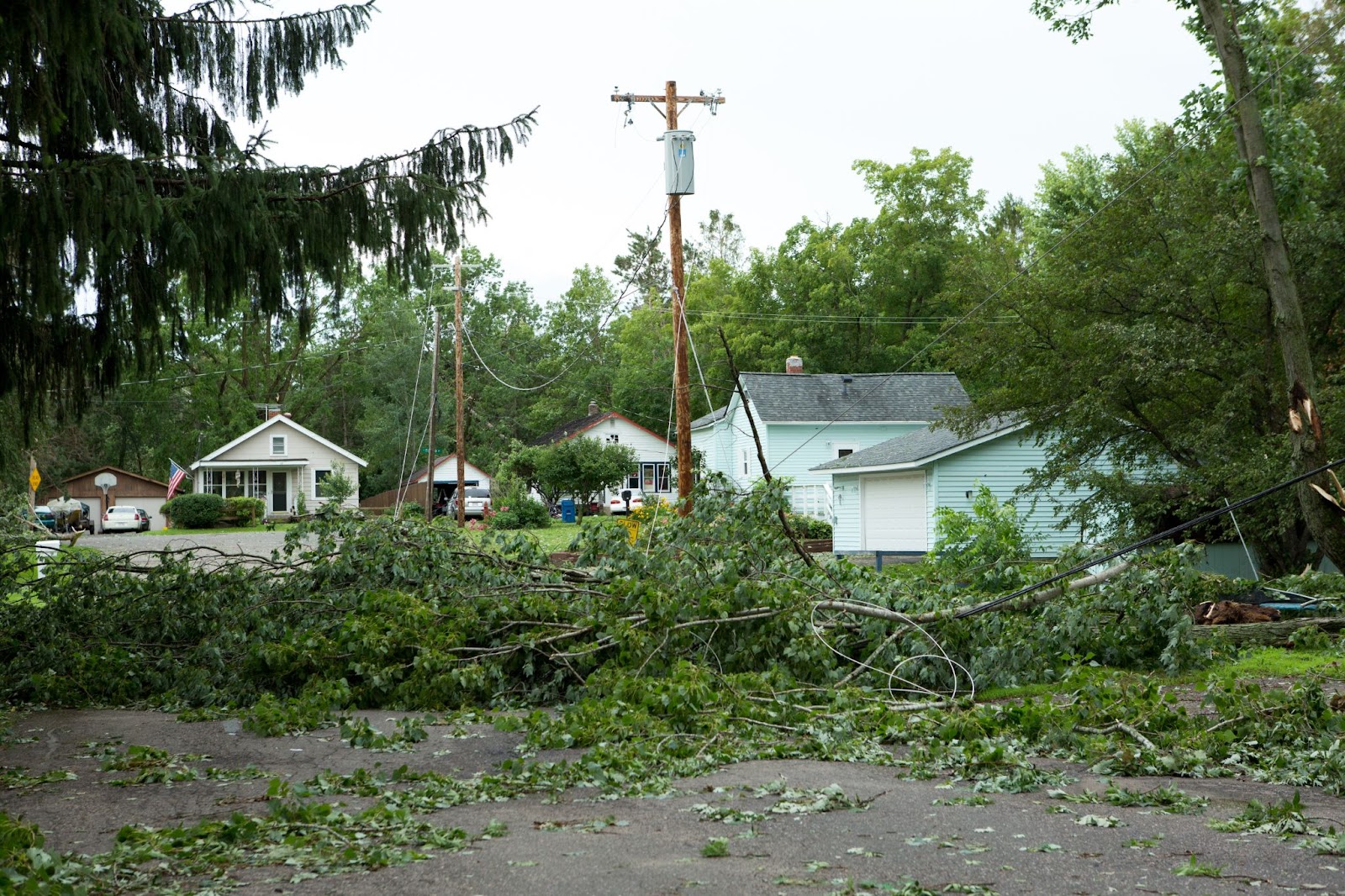
After the storm passes, check for obvious hazards first. Downed power lines, broken glass, unstable trees, and damaged roofs all create safety risks. Weather safety guidance advises staying out of damaged buildings and contacting authorities if you see downed power lines.
2. Document the visible damage
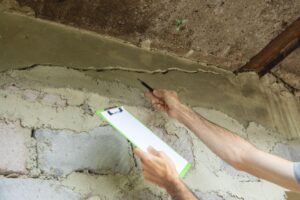
Before major storm cleanup begins, take wide and close-up photos of roof damage, siding damage, broken windows, fallen branches, interior leaks, and affected belongings. Recovery guidance recommends documenting damage before cleanup and saving receipts from the start.
3. Arrange emergency protection
Tarping, board-up, and temporary sealing help reduce additional exposure after high winds or heavy rain. These steps help keep more water, debris, and weather-related damage out while you wait for full repairs to begin.
4. Remove debris and begin storm cleanup
The team may need to clear fallen limbs, scattered materials, and unsafe exterior debris so they can fully inspect the property and protect it from further damage.
5. Inspect for hidden water intrusion
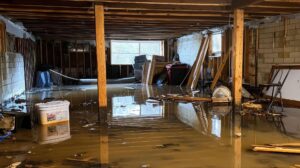
Rain moves beyond the obvious leak path. A damaged roof or broken window may allow moisture into insulation, ceiling cavities, wall assemblies, and flooring.
6. Dry affected materials
If water entered the home, the next step may include air movers, dehumidifiers, and moisture monitoring as part of the broader storm-damage restoration process.
7. Complete repairs and restoration
Once the structure is dry and the scope is clear, the work proceeds to repairs of roofing, siding, drywall, flooring, trim, or other damaged areas. Some jobs remain mostly exterior. Others involve both wind damage restoration and interior water-related repairs.
Common storm damage situations
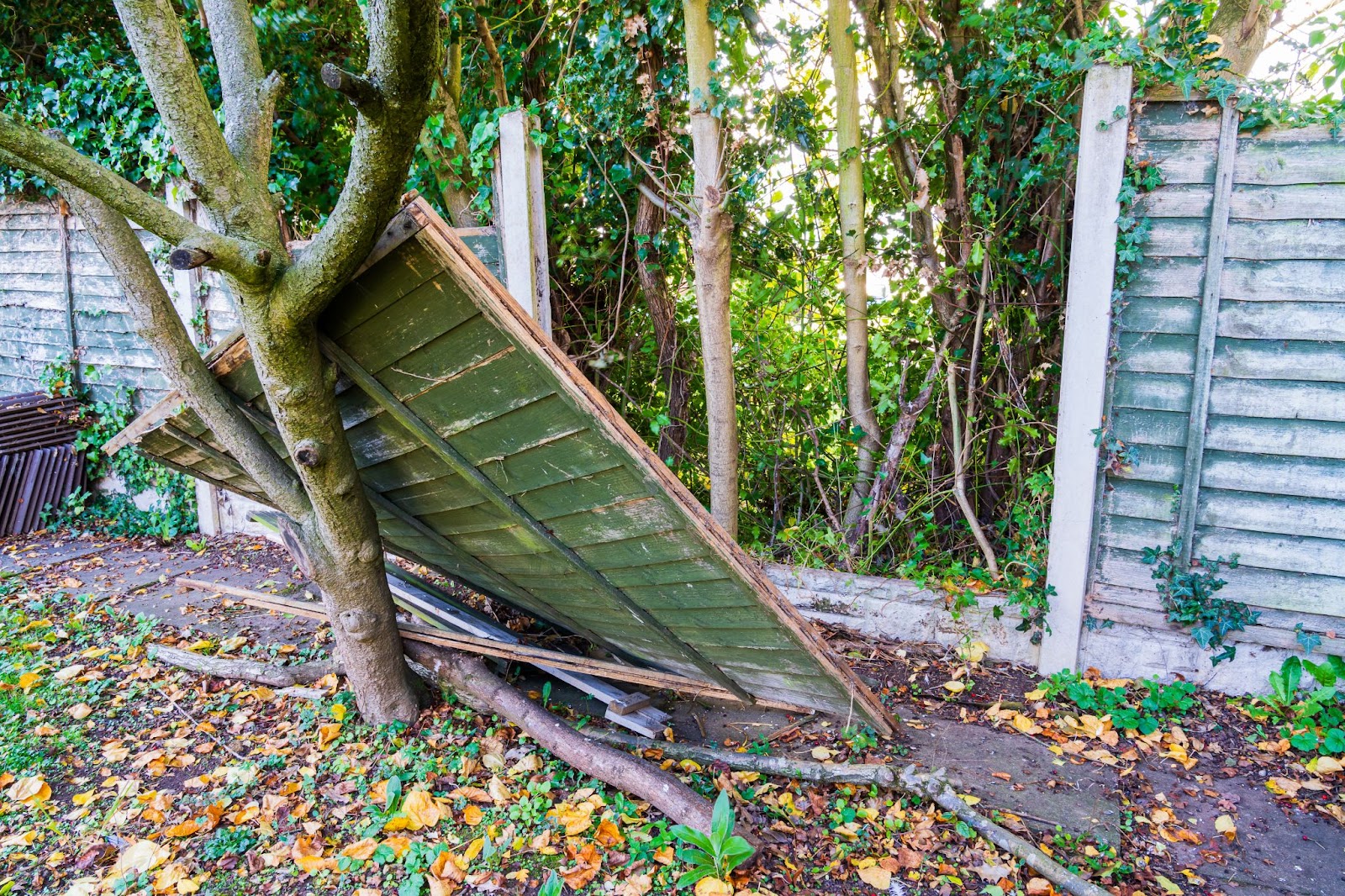
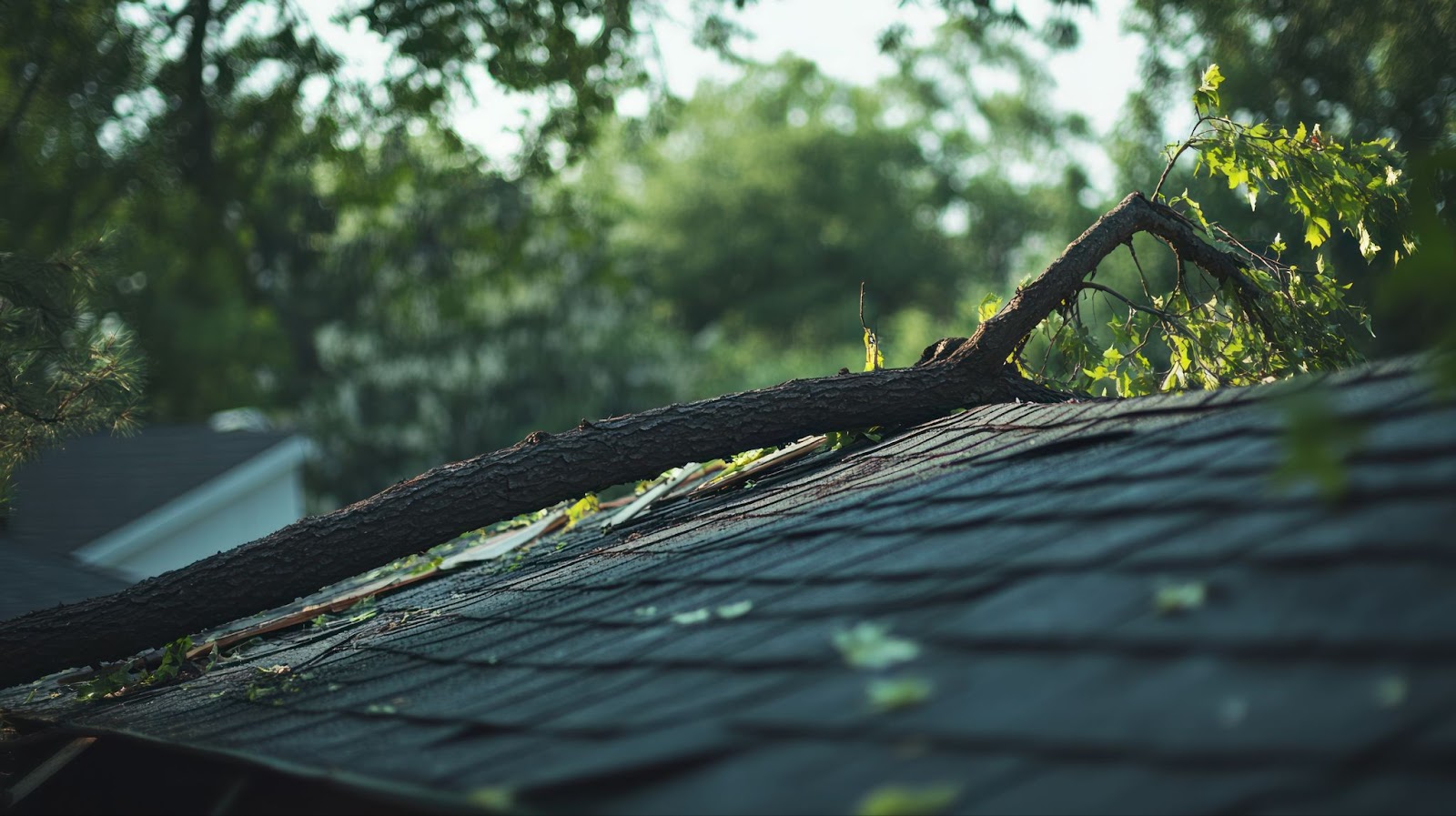
Storm damage shows up in several ways. High winds may lift shingles or damage siding; broken windows let rain inside; and fallen limbs or flying debris may damage roofing, gutters, fencing, or other exterior areas. If you do not seal the home properly, exterior storm damage can quickly lead to interior moisture problems.
These situations may look different, but they often lead to the same need for storm cleanup, temporary protection, drying, and repair.
Benefits of fast professional storm cleanup
A fast professional response makes a major difference after a storm.
- It helps reduce additional water intrusion
- It limits the spread of interior moisture damage
- It supports safer debris removal and site stabilization
- It helps move the storm damage restoration process forward faster
- It reduces the chance that wind-related openings lead to larger moisture problems
- It supports more accurate repair planning
- It helps you act quickly once you identify wind damage restoration needs
A roof opening, broken window, or exposed wall keeps letting in water and causing more damage until it’s secured. That’s why it’s helpful to document the damage early and protect the property as soon as it’s safe to do so.
Common mistakes to avoid after a storm
- Waiting too long to inspect the property: Damage may look minor from the ground, but leaks, loose shingles, and hidden moisture may surface later.
- Starting storm cleanup before documenting the damage: It’s easier to take photos and video before removing debris, installing tarps, or moving damaged items.
- Ignoring roof openings or delayed leaks: Small openings keep letting in water long after the storm has passed.
- Overlooking damp materials inside the home: Wet insulation, ceiling stains, and hidden moisture lead to bigger problems if you miss them.
- Treating wind damage like a cosmetic issue only: If you do not address exterior damage quickly, it can also cause interior water damage.
What research says about drying and storm recovery
A few key research points help explain why fast response matters after storms:
- Document damage before cleanup: Photograph damage, make a list, and save receipts before major cleanup begins.
- Storm damage includes major safety hazards: Weather safety guidance warns about downed power lines, damaged buildings, and other post-storm risks.
- Recovery is more than debris removal: Storm cleanup is important, but full recovery may also include drying, documentation, temporary protection, and repair planning.
Tools and next steps for storm damage restoration
Professional tools often include:
- Tarps
- Board-up materials
- Moisture meters
- Air movers
- Dehumidifiers
- Roofing safety equipment
- Debris removal tools
- Protective gear
Smart next steps include:
- Document the damage before major storm cleanup begins
- Arrange temporary protection quickly
- Watch for hidden signs of moisture like ceiling stains, damp insulation, or musty odors
- Keep receipts for emergency supplies and temporary repairs
- Ask whether the property needs both storm damage restoration and wind damage restoration
FAQ
How do you recover from storm damage?
You recover from storm damage by acting quickly and staying organized. Start by making sure the property is safe, then document the damage, protect exposed areas, begin storm cleanup, and address any water intrusion or structural issues before full repairs begin.
What is storm damage restoration?
Storm damage restoration is the process of cleaning up, drying, repairing, and restoring a property after damage from wind, rain, hail, debris, or other severe weather. It includes emergency protection, storm cleanup, and repairs to both exterior and interior damage.
What is the difference between remediation and restoration?
Remediation focuses on stopping or reducing the immediate problem, such as removing water, cleaning up debris, or addressing moisture. Restoration is the broader process of repairing and rebuilding the property so it returns to a safe, functional condition.
Should I document damage before removing debris?
Yes, when it is safe to do so. Photos and videos taken before major storm cleanup help document the property’s original condition and support the recovery and insurance processes.
How does Utah’s weather affect storm damage?
In Utah, storm damage comes from several directions. Strong seasonal winds, heavy rain, hail, late snow, and rapid weather shifts all affect roofs, siding, windows, and exposed exterior materials. A home with even a small storm opening quickly develops interior moisture damage if wind-driven rain gets inside.
Get help with storm damage restoration from Total Flood and Fire Restoration
Storm damage feels overwhelming because it often affects multiple parts of the home at once. Storm cleanup, wind damage restoration, and drying may all be necessary before full repairs begin. If severe weather has damaged your home, contact Total Flood and Fire Restoration to schedule an inspection and get help securing the property, documenting the damage, and taking the next step toward recovery.