Choose a qualified cleanup provider by asking about experience with your type of contamination and how the company trains its technicians. Check insurance coverage and request a written scope before hiring. Ask how the crew handles waste and unexpected discoveries. Reviews and clear completion documentation also help you evaluate its reliability.
Finding the right team starts with the right questions
When biological contamination affects your home or business, you may have little experience judging what biohazard cleanup involves. One company might recommend cleaning a surface, while another might suggest removing materials beneath it. Without a clear explanation, it’s hard to know which plan fits the damage.
A dependable biohazard cleanup company will explain its recommendations before you approve the work. This guide shows you how to compare proposals and recognize when a company hasn’t provided enough information.
Why specialized experience matters
Cleanup following an unattended death may differ from work after a sewage backup. Hoarding situations present distinct concerns when biological hazards are present among belongings. Contamination might remain on hard surfaces or reach porous flooring and other building materials.
Confirm that the company has experience with the type of contamination at your property. A team familiar with similar situations will have a better understanding of where contamination might spread and which materials may need attention.
How to evaluate a biohazard cleanup company
Check experience with your type of contamination
Ask for examples of similar work without requesting details that would compromise another customer’s privacy. A contractor familiar with sewage incidents, for instance, may need different procedures for blood or sharps. Listen for specific explanations about the work rather than broad assurances that the crew handles everything.
Verify training and insurance
Ask what safety training the technicians receive and whether they hold credentials relevant to the incident. Request proof of liability insurance and workers’ compensation coverage.
Certifications help demonstrate a technician’s training, but experience with similar cleanup situations is also important. Check whether the company needs any specific licenses or permits for the work.
Understand the inspection and cleanup plan
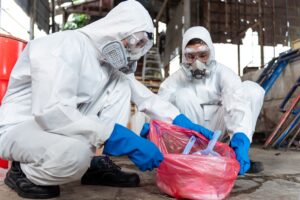
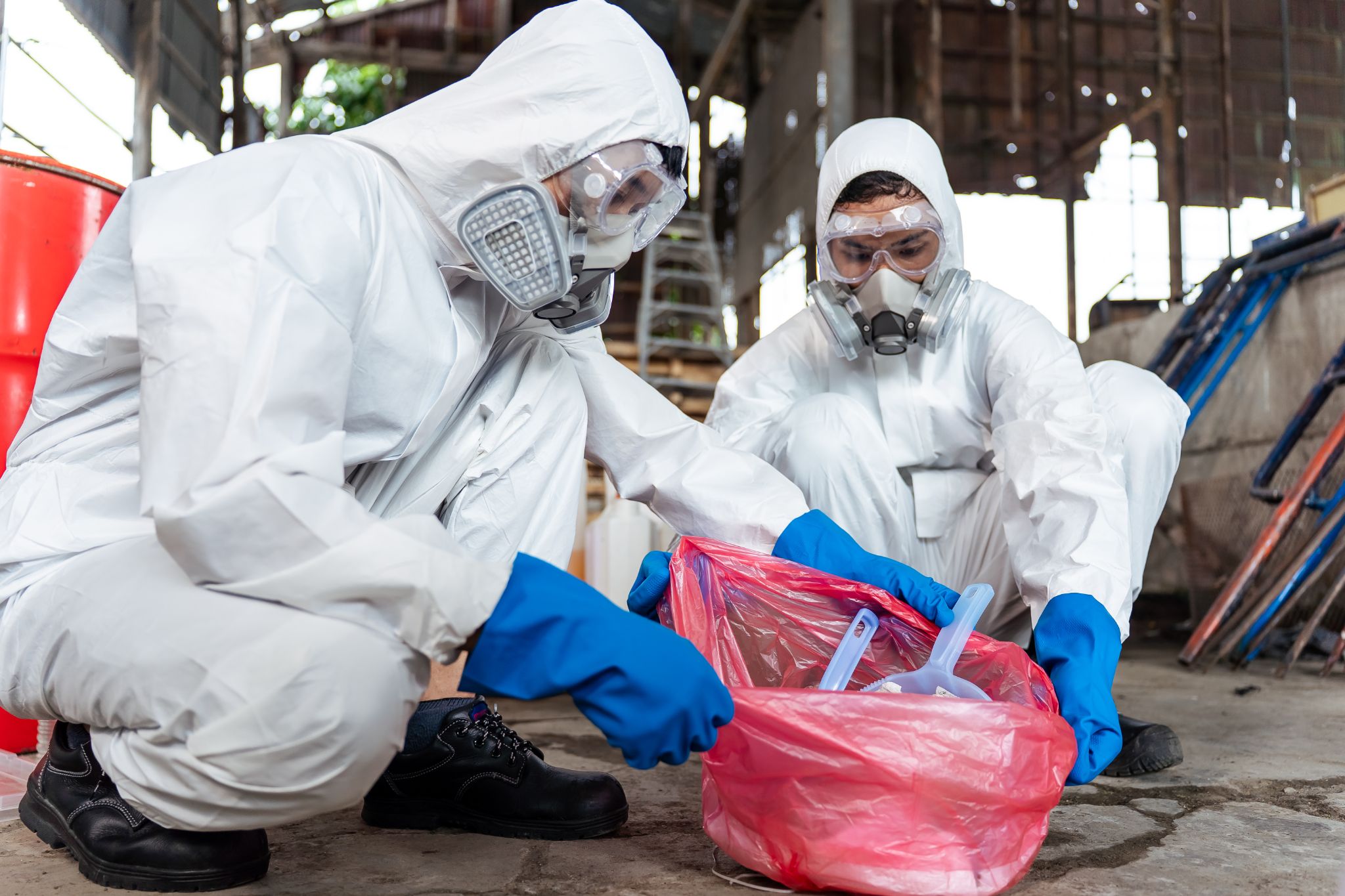
A reliable team will explain how it identifies affected areas and decides what to clean or remove. The plan should also cover how crews protect nearby rooms and handle potentially infectious waste.
Request a detailed written estimate
Look for a scope that identifies the areas and materials the contractor plans to address. Ask whether the quote covers waste disposal and what happens if technicians find contamination underneath flooring.
The contractor should explain how you’ll approve additional work before it adds charges. If the company won’t clarify exclusions, keep looking.
Evaluate reviews and communication
Read reviews for specific details about arrival times and whether the company explained changes during the job.
Notice how the team handles your first call, especially if the situation involves a death or the loss of personal belongings. Respectful answers and a realistic schedule give you useful insight into how the team operates.
How to compare two cleanup estimates
Two companies may recommend different approaches after inspecting the same contaminated room. One may quote for surface cleaning, while another may include removing the flooring where contamination has reached the underlying materials. Before choosing either company, ask what the inspection revealed and why each contractor recommends that work.
Ask what evidence supports each proposal and which materials the crew plans to remove. Request an explanation of how it will document completion. If the findings differ, request clarification before authorizing either job. A clear estimate helps you understand the cost.
Why the right provider makes a difference
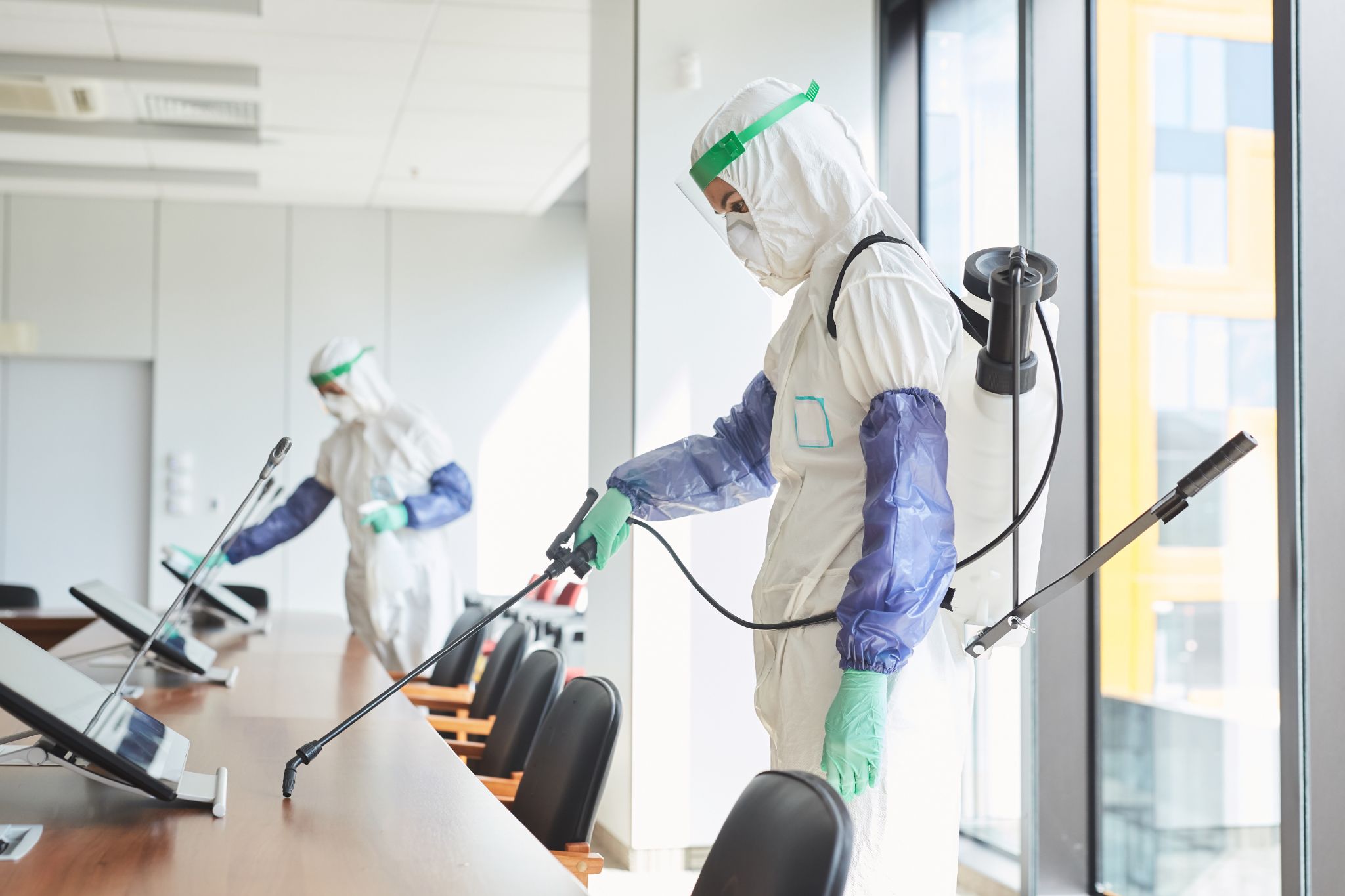
The right approach helps protect occupants and limits unnecessary disturbance to unaffected areas. Detailed documentation also helps you understand what happened during the project and supports discussions with your insurer.
If the cleanup requires additional repairs, a team familiar with property restoration services can help you plan next steps.
Red flags to watch for
Watch for companies that rush you into signing before explaining the proposed work. Other warning signs include vague prices or an unwillingness to share proof of insurance. Be especially cautious if a contractor promises to eliminate every possible health risk without inspecting the property.
You deserve a clear explanation of the planned work and how the crew handles contaminated materials. Ask how it will notify you about changes. If those answers remain unclear, compare another provider.
What industry standards tell you
OSHA outlines worker safety requirements for handling blood and other potentially infectious materials in its bloodborne pathogens guidance. For trauma and crime scene cleanup, the ANSI/IICRC S540 standard provides guidance on inspecting affected areas and confirming that cleaning is complete.
Because different situations involve different hazards, ask each company which standards guide its work and how its technicians follow them.
Questions to ask before signing
Ask these questions during initial calls:
- Have you handled this type of contamination before?
- Which areas or materials need removal, and why?
- What does the estimate exclude?
- Who approves work if your crew finds additional damage?
- What records will I receive when the work ends?
- Will I need a separate contractor for repairs?
Compare each company’s answers side by side before you sign.
FAQ
What qualifications do biohazard cleaners need?
Technicians need training appropriate to their exposure risks and assigned tasks. Ask about bloodborne pathogen training and relevant specialty credentials. Requirements vary with the work and local regulations.
How much does biohazard cleanup cost per hour?
Hourly rates vary, and many contractors instead estimate the entire job. Ask for an itemized scope that explains material removal and disposal costs so you understand the total proposal.
Who is responsible for cleaning up a crime scene?
After authorities release the scene, a property owner or another responsible party generally arranges cleanup. Payment responsibility depends on ownership, agreements, insurance coverage, and the circumstances of the incident.
What does biohazard remediation include?
The work usually starts with an assessment. Depending on the hazard, crews then remove contaminated materials and clean suitable surfaces. Disposal and final documentation also belong in the proposed scope.
Does homeowners insurance cover this type of cleanup?
Some policies cover certain incidents, but exclusions and coverage limits differ. Contact your insurer before assuming coverage, and keep the estimate and photographs for any claim you submit.
How long does professional cleanup take?
The timeline depends on the size of the affected area and the extent to which contamination has reached building materials. Ask for a realistic schedule and whether restoration will require additional time.
When do you need professional biohazard remediation?
Significant blood contamination or sewage affecting porous materials often requires specialized assistance. Sharps also warrant extra precautions. Keep people away from the area and ask a qualified provider to assess the hazards.
How do you know whether biohazard remediation is complete?
Ask the company how it checks the affected areas after cleanup and whether you’ll receive a report of the work. This helps you understand what the crew did to address the contamination before you use the space again.
Choose your next steps with Total Flood & Fire Restoration
A trustworthy biohazard cleanup company will explain its findings and answer questions without pressuring you to authorize work you don’t understand.
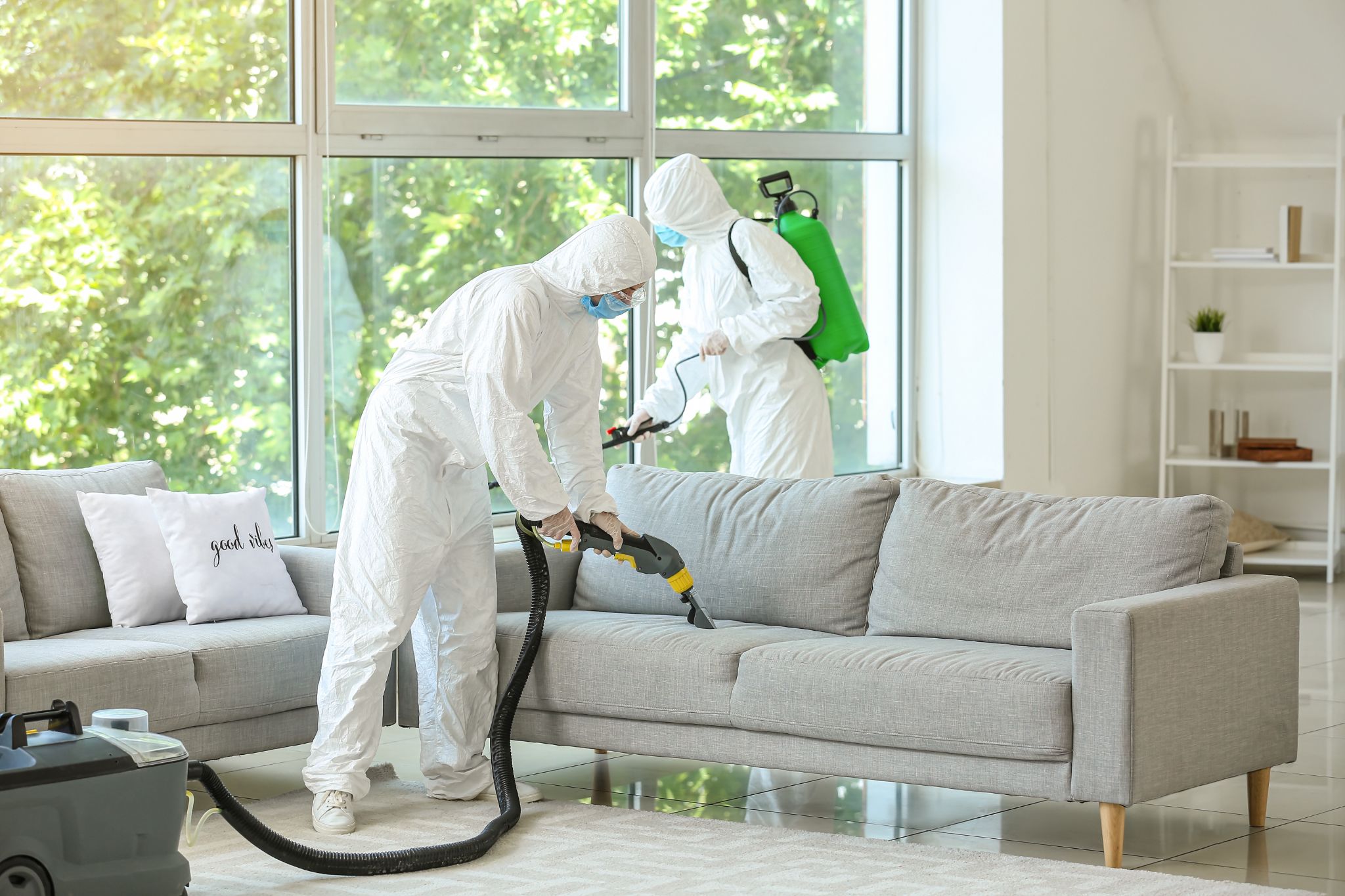
If contamination affects your Utah home or business, Total Flood & Fire Restoration offers discreet service and helps you understand the next steps. Our team also handles restoration work when damage extends beyond the initial cleanup.
Contact Total Flood & Fire Restoration to discuss the situation and arrange an assessment.