Storm damage across multiple rental units calls for a coordinated response. Property managers need to identify immediate hazards, document each affected building, prevent further water intrusion, and arrange storm-damage cleanup based on urgency. Professional inspections and a property-by-property repair plan help managers protect tenants while moving each location toward recovery.
When one storm damages several rental properties
A storm passes through Utah, and your phone starts filling with maintenance requests. One tenant reports water dripping through a ceiling. Another building has flooded basement apartments, while a third has loose roofing and broken branches across the parking lot. Each property needs attention, but the work won’t follow the same schedule.
Managing rental property storm damage means deciding where to send help first without losing track of the other buildings. The steps below explain how to handle apartment flood damage and coordinate restoration through final repairs.
Why multiple damaged units need a coordinated response
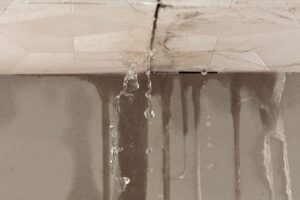
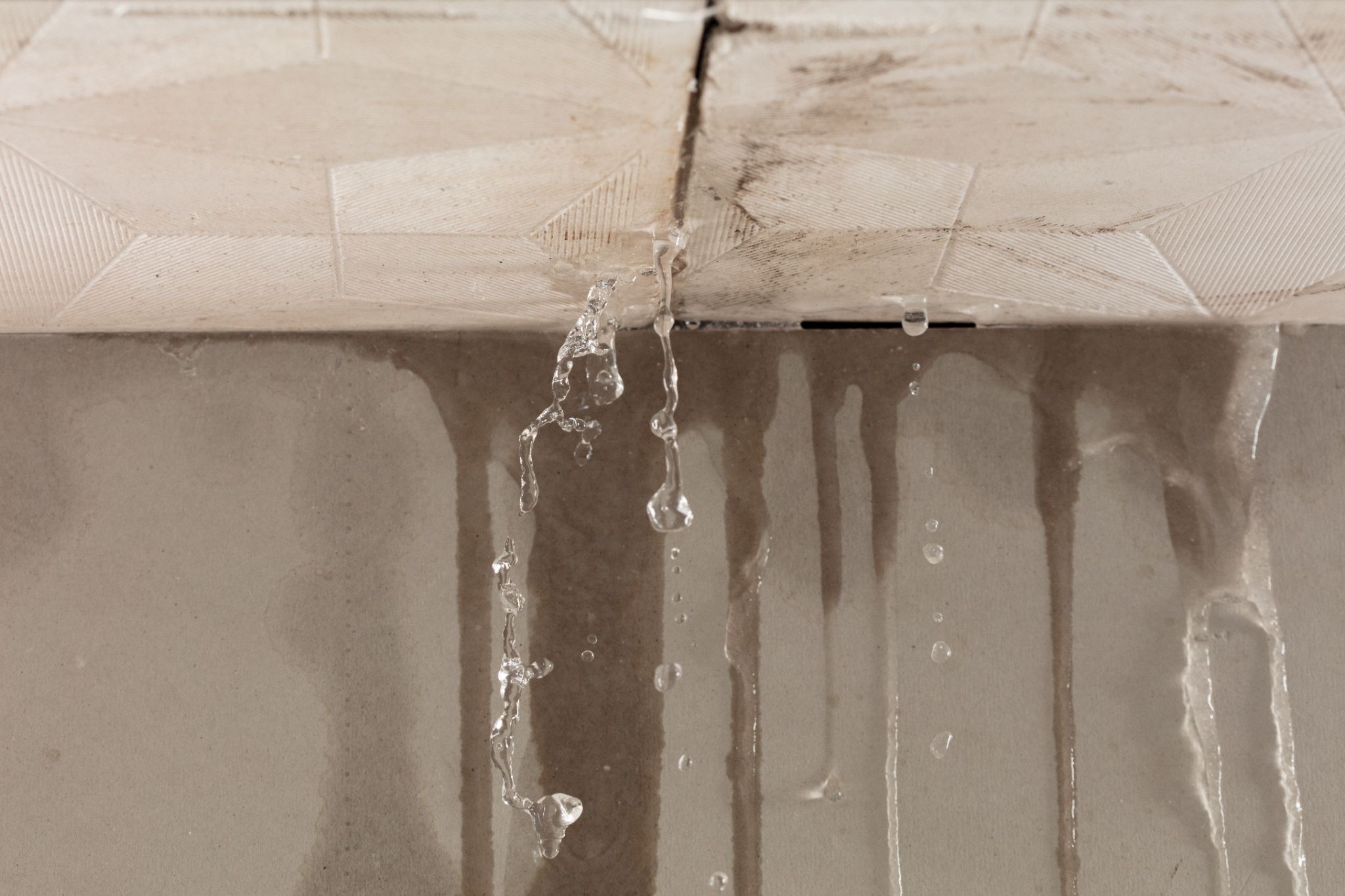
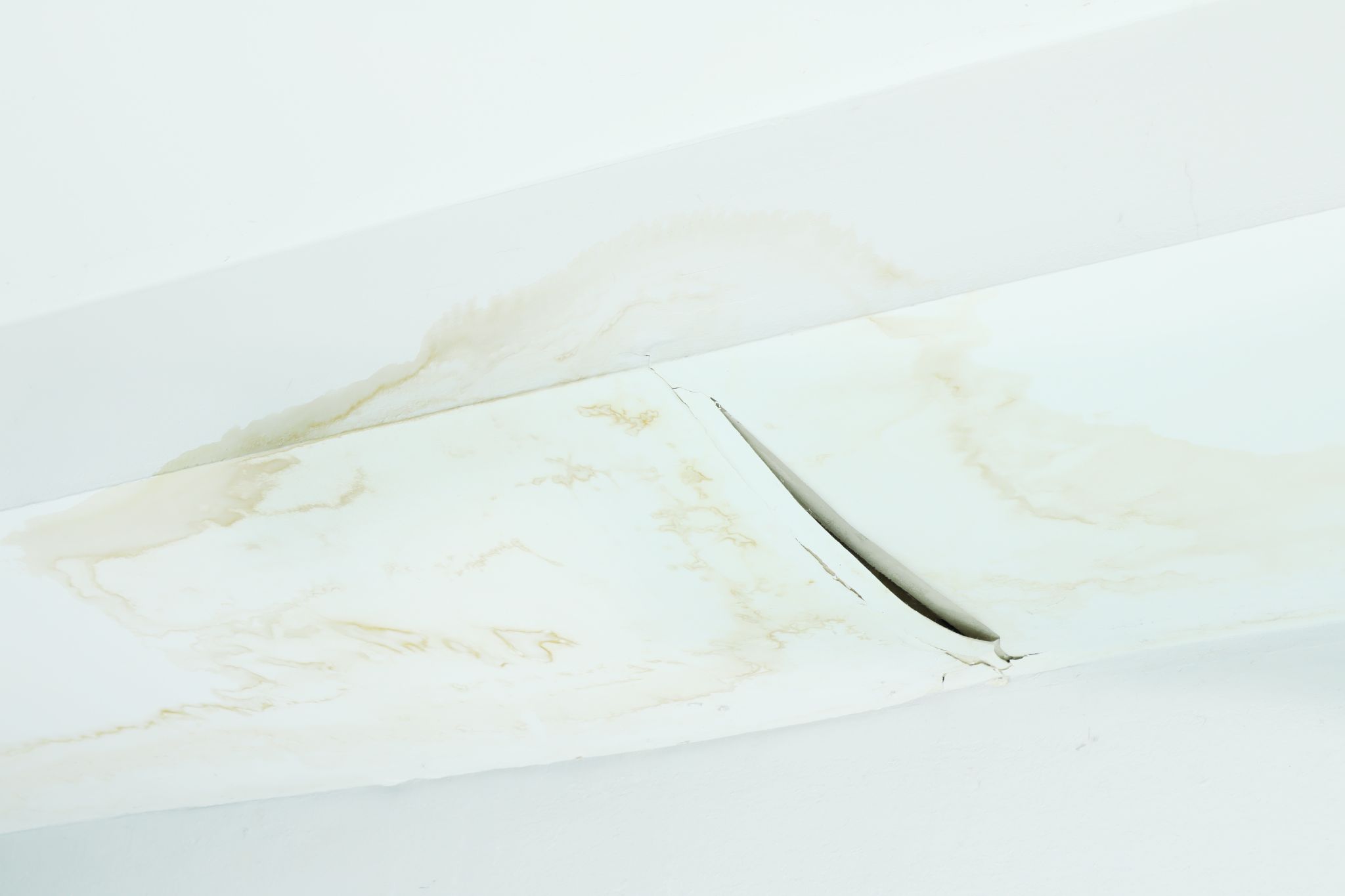
After a major storm, some rental properties will need immediate repairs while others have damage that isn’t obvious right away. Missing shingles and broken windows are easy to spot, but water entering through a damaged roof might go unnoticed until stains appear on a ceiling or moisture spreads into neighboring units.
The challenge with rental property storm damage is keeping problems from disappearing inside a growing maintenance queue. Each building needs its own inspection and record of completed work. Check neighboring units when apartment flood damage spreads through shared walls or ceilings.
Keep emergency mitigation separate from permanent repairs. Crews first protect openings and address water intrusion. They then determine what needs to be dried or removed before anyone closes the walls or replaces finishes. That sequence helps prevent a quick cosmetic fix from hiding an unresolved moisture problem.

How to manage storm damage cleanup across multiple properties
Step 1: Identify hazards before entering
Ask tenants to report active leaks and describe any damage they see from a safe location. Keep residents away from fallen power lines, unstable ceilings, and areas with suspected electrical hazards. Contact emergency services or qualified specialists when conditions threaten occupants. Don’t send maintenance staff onto a damaged roof during unsafe weather.
Step 2: Rank properties by urgency
Start with buildings where water continues to enter or where the damage creates an immediate safety risk. A leaking roof over occupied apartments deserves prompt protection, even if another property has extensive but stable siding damage. Revisit priorities as tenants report new leaks or conditions change.
Step 3: Document every affected location
Create a separate record for each building and unit. Record the address and affected rooms. Add safe photographs and note when tenants first reported the problem. FEMA’s guidance on documenting severe-weather damage recommends photographing damage before removing affected materials and keeping repair receipts.
Step 4: Arrange emergency protection
Contact a storm damage restoration team with the property addresses and descriptions of active problems. Crews assess exposed areas and standing water to determine the immediate work. Temporary coverings or board-up services help keep additional rain outside while contractors plan permanent repairs.
Step 5: Address water and hidden moisture
After crews stop incoming water, they extract standing water and inspect nearby materials. Apartment flood damage from an upper unit might also affect rooms below. Professional water damage restoration includes moisture checks and controlled drying before repairs proceed. Crews also evaluate materials that won’t dry safely in place.
Step 6: Coordinate the repair schedule
For rental property storm damage, track cleanup separately from reconstruction. Confirm which areas still need drying and which contractors will handle roof, electrical, or interior repairs. Get the appropriate owner approvals and keep tenants informed about access. Update each property’s status as crews complete stages of work, rather than treating every building as a single project.
What storm damage cleanup looks like at three different properties
Consider a property manager overseeing three buildings after the same windstorm.
- Building A: Roof leak above occupied units. Rain enters a third-floor apartment. The manager arranges safe emergency roof protection, then asks restoration crews to inspect the affected apartment and the units below for moisture.
- Building B: Flooded basement apartments. Standing water covers part of the ground floor. The manager restricts access until qualified workers assess electrical and contamination risks. Crews then plan extraction and drying based on conditions.
- Building C: Exterior wind damage. The storm tears away siding, but the initial inspection finds no interior water. The manager records the damage and schedules further assessment while urgent work proceeds elsewhere.
These examples show why apartment flood damage and exterior storm repairs require different responses. Priorities depend on immediate hazards and the risk of further damage.
Why coordinated restoration helps property managers
Coordinating storm damage cleanup across a rental portfolio gives managers a clearer picture of what remains unfinished. A central record identifies which buildings need emergency work, which units still have drying equipment, and which repairs await approval.
Coordination also helps residents. Give tenants one point of contact and clear updates about access to their units. Owners receive property-specific progress reports instead of a vague statement that cleanup is underway.
When several contractors work in the same building, coordinate their handoffs so repairs don’t start before mitigation ends.
Common mistakes that delay storm damage repairs
The biggest problems don’t always involve the most visible damage. Watch for these avoidable mistakes:
- Inspecting only the unit that reported a leak. Water might travel across ceilings or through wall cavities before anyone notices stains elsewhere.
- Starting cosmetic repairs too early. New paint or drywall doesn’t address moisture trapped beneath finished surfaces.
- Leaving vacant units unchecked. Nobody is there to report a developing leak, so include empty apartments in post-storm inspections.
- Combining every expense into one record. Track labor, emergency measures, and repair approvals by property to keep decisions clear.
- Assuming temporary protection ends the problem. Reinspect vulnerable areas after additional rain and update the restoration plan if conditions change.
Effective rental property storm damage management requires follow-through after the emergency response.
What research says about prompt water damage cleanup
Water intrusion needs prompt attention because moisture left inside building materials creates conditions for mold growth. The EPA recommends a 24- to 48-hour window for drying wet materials to reduce that risk. Extensive flooding, however, requires additional drying time and professional assessment.
For apartment flood damage, the water source and affected materials shape the response. Wet insulation and saturated wall cavities require different cleanup approaches than water on a hard surface. Restoration crews use moisture measurements and material assessments to determine drying progress and when repairs should begin.
Tools for tracking cleanup and repairs across multiple units
A shared spreadsheet or property management system helps keep the restoration process organized. Give each building its own entry and update it as work progresses.
Record these details:
- Property address and affected unit numbers
- Tenant contact and building-access instructions
- Current hazards and active water intrusion
- Inspection findings and photo documentation
- Emergency mitigation and drying status
- Repair scope, approvals, and next scheduled visit
Before calling about storm damage cleanup, collect the addresses of affected buildings and identify which ones still have active problems. Assign someone to authorize emergency work. A clear first report provides restoration crews with reliable details before they arrive.
FAQ
What counts as storm damage in a rental property?
Storm damage includes wind-related roof or siding damage, broken openings, and water intrusion caused by severe weather. An inspection establishes which materials the storm affected. Insurance coverage depends on the policy and the cause of the loss.
Is a water leak in an apartment an emergency?
An active leak needs prompt attention, particularly near electrical fixtures or weakened ceilings. Keep tenants away from hazards and arrange qualified help. Even a small visible drip might signal water traveling through a larger section of the building.
What should a property manager do when an apartment floods?
First, protect occupants and restrict access to unsafe areas. Document visible damage from safe locations and report the flooding to the appropriate insurer. Arrange a professional assessment before extraction if electrical or contamination hazards exist, then check adjoining units.
Does wet drywall always need replacement?
No. The water source and the condition of the drywall guide the decision. A restoration professional checks for saturation, swelling, and damaged seams. Contaminated materials or drywall that has lost its integrity generally require removal rather than drying in place.
How long does water damage restoration take?
The timeline depends on how far water traveled, what materials absorbed it, and which repairs the building needs. Emergency extraction and drying come before reconstruction. Ask the contractor for property-specific updates rather than assuming every apartment will follow the same schedule.
Who pays for storm damage repairs in a rental property?
Building owners generally arrange repairs to the structure through their property managers. Insurance responsibility depends on the policy and the circumstances. Tenant belongings involve separate coverage questions, so avoid promising a particular outcome before reviewing the relevant policies.
Does renters insurance cover apartment flood damage?
Standard renters policies generally cover certain personal property losses but exclude flooding from outside or rising water. Coverage depends on the policy and how the loss occurred. Building insurance and a tenant’s personal-property insurance serve different purposes.
How quickly must a landlord repair storm-related water damage?
Property managers need to address immediate hazards promptly and follow applicable habitability requirements. Legal timelines vary by jurisdiction and by the conditions within the unit. Document the report, arrange necessary mitigation measures, and provide residents with clear updates while repairs proceed.
What if a roof keeps leaking during repairs?
Report the new intrusion immediately and arrange another inspection. Temporary roof protection might need adjustment before crews continue interior drying. Document fresh damage separately so the repair scope reflects what happened after the initial assessment.
When is a flooded apartment ready for tenants to return?
Return depends on safe access, functioning essential services, and the condition of the restored space. Ask qualified professionals to verify necessary drying and repairs. Follow any restrictions or clearance instructions from building officials before restoring occupancy.
Start recovery with Total Flood & Fire Restoration
When several units need storm damage cleanup, a clear plan helps you protect residents and avoid losing track of critical work. Prioritize immediate hazards, document each building, and coordinate cleanup with the subsequent repairs.
Total Flood & Fire Restoration helps Utah property managers assess storm-related damage, protect exposed buildings, and address water intrusion. If rental property storm damage has affected several units in your portfolio, contact Total Flood & Fire Restoration to discuss an inspection and the next steps for recovery.