Water damage prevention starts with catching leaks early and keeping rain or snowmelt away from the structure. You should also know how to stop the water when something fails. Regular plumbing checks and leak detectors help you spot trouble sooner, while good drainage and winter preparation reduce other common risks.
A small leak may turn into a much bigger problem
Some water damage starts quietly. A slow drip under a sink or behind an appliance may go unnoticed until nearby materials begin to show signs of moisture. Water from outside may create the same kind of problem if it keeps collecting near the home.
The best way to stay ahead of it is to pay attention to the places where water moves through or around your home. Let’s take a closer look.
1. Know where your main water shutoff is
Find the main shutoff before you need it. Learn how it works and show other adults in the home where to find it.
If a supply line breaks or a pipe starts releasing water, shutting off the source quickly may limit how far the water travels. You don’t want to search for the valve while water is already spreading.
2. Check plumbing before small leaks grow
Look under sinks and around toilets during routine cleaning. Check exposed connections for moisture or corrosion. If you hear water running when all the fixtures are off, take a closer look.
A simple dye test may help uncover a toilet leak. Add a few drops of food coloring to the tank, then wait about 10 minutes without flushing. If the color reaches the bowl, water is leaking through the toilet. Regularly checking for household leaks like this one may help you catch small plumbing problems before they cause more damage.
3. Pay attention to appliances that use water
Washing machines, dishwashers, refrigerator water lines, and water heaters deserve regular attention because a small leak may go unnoticed until nearby materials begin to show signs of damage. Check around supply lines and drain connections for moisture, then replace worn hoses or damaged fittings before they fail.
It also helps to know which household appliances are more likely to cause water damage, especially when water lines or connections sit out of sight.
4. Learn how to spot a hidden leak
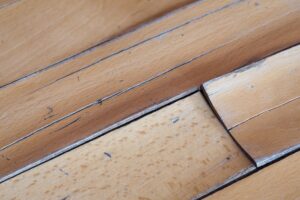
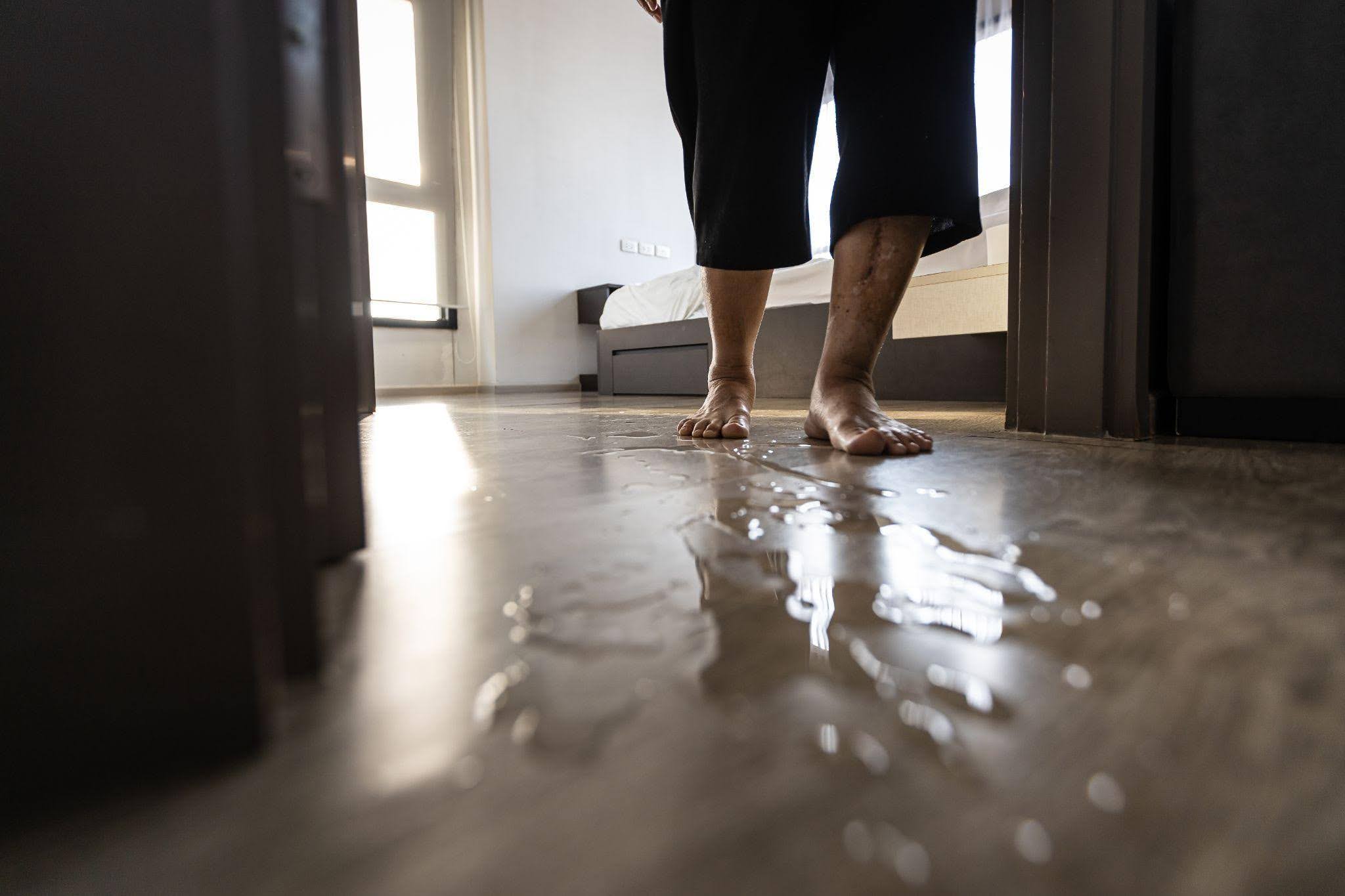
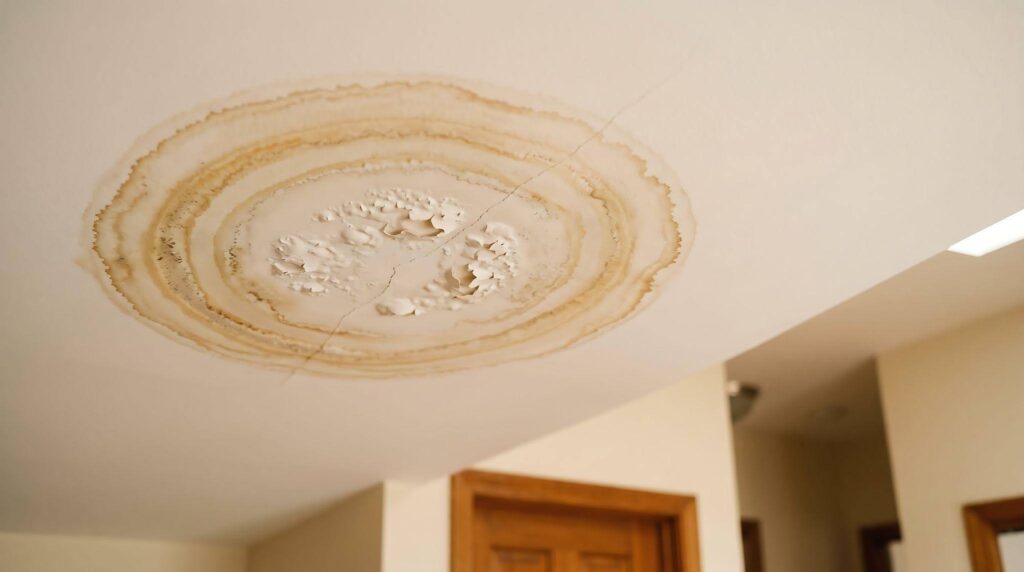
Some leaks stay hidden until nearby materials start to change. You may notice discoloration on a wall, soft spots underfoot, or another sign that moisture has been building over time.
EPA WaterSense recommends checking your water meter when no water is running, then again after a period of no use. A change in reading may indicate a leak. Damp cabinets or unexplained water sounds also deserve attention.
5. Put leak detectors in higher-risk areas
Place water sensors near appliances or plumbing where leaks may go unnoticed, such as a water heater or washing machine. Connected models may send alerts to your phone, while some whole-home systems also automatically shut off the water.
6. Keep gutters and downspouts working properly
Gutters need to move roof runoff away from the house. Remove blockages and look for sections that sag or leak. Then check where each downspout releases water.
If runoff repeatedly collects beside the foundation, the drainage setup needs attention.
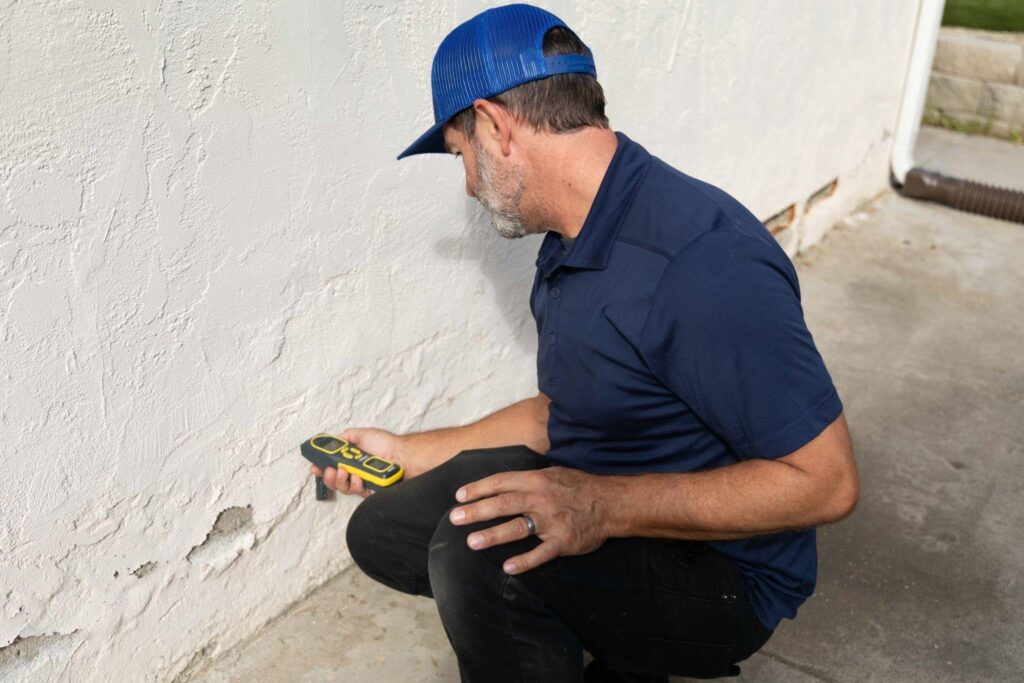
7. Watch where water collects around the foundation
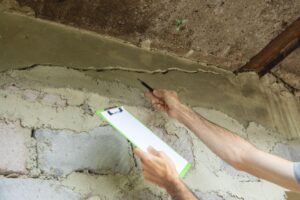
Walk around your home after a heavy rain or during snowmelt. Pay attention to standing water beside the foundation or areas that stay soggy long after the rest of the yard dries.
If your basement has a sump pump, test it according to the manufacturer’s instructions. If moisture keeps showing up in your basement, wiping it up won’t solve the bigger issue.
8. Protect plumbing before Utah temperatures drop
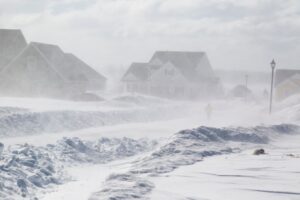
Cold weather increases the risk to exposed plumbing, especially in areas that don’t get much heat. Before freezing temperatures arrive, disconnect outdoor hoses and protect vulnerable water lines. Keeping the home heated during cold weather also helps reduce the risk of frozen pipes.
Focus on pipes near exterior walls or in unheated spaces. Outdoor hose connections and irrigation lines also need seasonal attention. If you want to prevent water damage during winter, prepare before the first hard freeze.
9. Pay attention to recurring condensation and dampness
Not every moisture problem starts with a plumbing failure. Bathrooms may remain damp when ventilation doesn’t effectively remove moisture.
Use exhaust fans during showers and investigate damp areas that keep returning. Persistent moisture may point to a ventilation problem or a leak that needs closer attention.
10. Prepare your home before an extended trip
Before a longer trip, walk through the home and look for active plumbing problems. Test any connected leak sensors you rely on for remote alerts.
Some homeowners choose to shut off the main water supply while they’re away. Whether that makes sense depends on the home’s plumbing and equipment. During freezing weather, keep the house warm enough.
Focus your checks on the highest-risk areas
Focus your routine on higher-risk areas:
- Kitchen: Check sink plumbing and appliance connections.
- Bathroom: Watch toilet connections and recurring moisture.
- Laundry room: Inspect washer hoses and nearby flooring.
- Utility room: Look around the water heater.
- Basement: Watch for seepage after rain or snowmelt.
- Exterior: Check roof drainage and water near the foundation.
Common mistakes that weaken water damage prevention
Even a good routine leaves gaps if you only check part of the system. Avoid the following:
- Cleaning gutters without checking where the downspouts drain
- Installing leak detectors and never testing them
- Ignoring unexplained changes in water use
- Treating recurring basement moisture as a one-time problem
- Assuming everything is dry as soon as a plumber stops the leak
What to do if you find water
If you find an active leak, stop the source when it’s safe to do so. Stay away from electrical hazards and avoid direct contact with contaminated water.
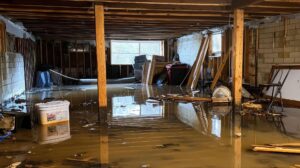
Then look beyond the visible puddle. Water may travel beneath flooring or into wall materials before you see the full extent of the affected area. If you aren’t sure what remains wet, professional water damage restoration may help identify the affected materials and properly dry the space.
Frequently asked questions
What are the most common places water damage starts?
Many household losses start at plumbing connections or water-using appliances. Water also enters through the roof or foundation due to drainage problems.
Should I shut off my water when I go on vacation?
It may make sense for a longer absence, but the right choice depends on your home’s plumbing and equipment. Check whether anything needs an active water supply first.
How often should I check for leaks?
Make leak checks part of regular maintenance, with extra attention before trips or severe weather.
When do I need water damage restoration?
Consider water damage restoration when water reaches absorbent materials or spreads into areas you can’t fully inspect or dry.
Protect your home with Total Flood & Fire Restoration before water spreads
You may not be able to stop every water problem before it starts, but regular checks and quick action give you more control over what happens next. Catching a leak early may help keep a small issue from spreading into a much larger part of the home.
Consistent water damage prevention gives you a better chance to catch trouble early. If water has already reached walls or flooring, contact Total Flood & Fire Restoration for help evaluating the damage and planning the right water damage restoration steps.