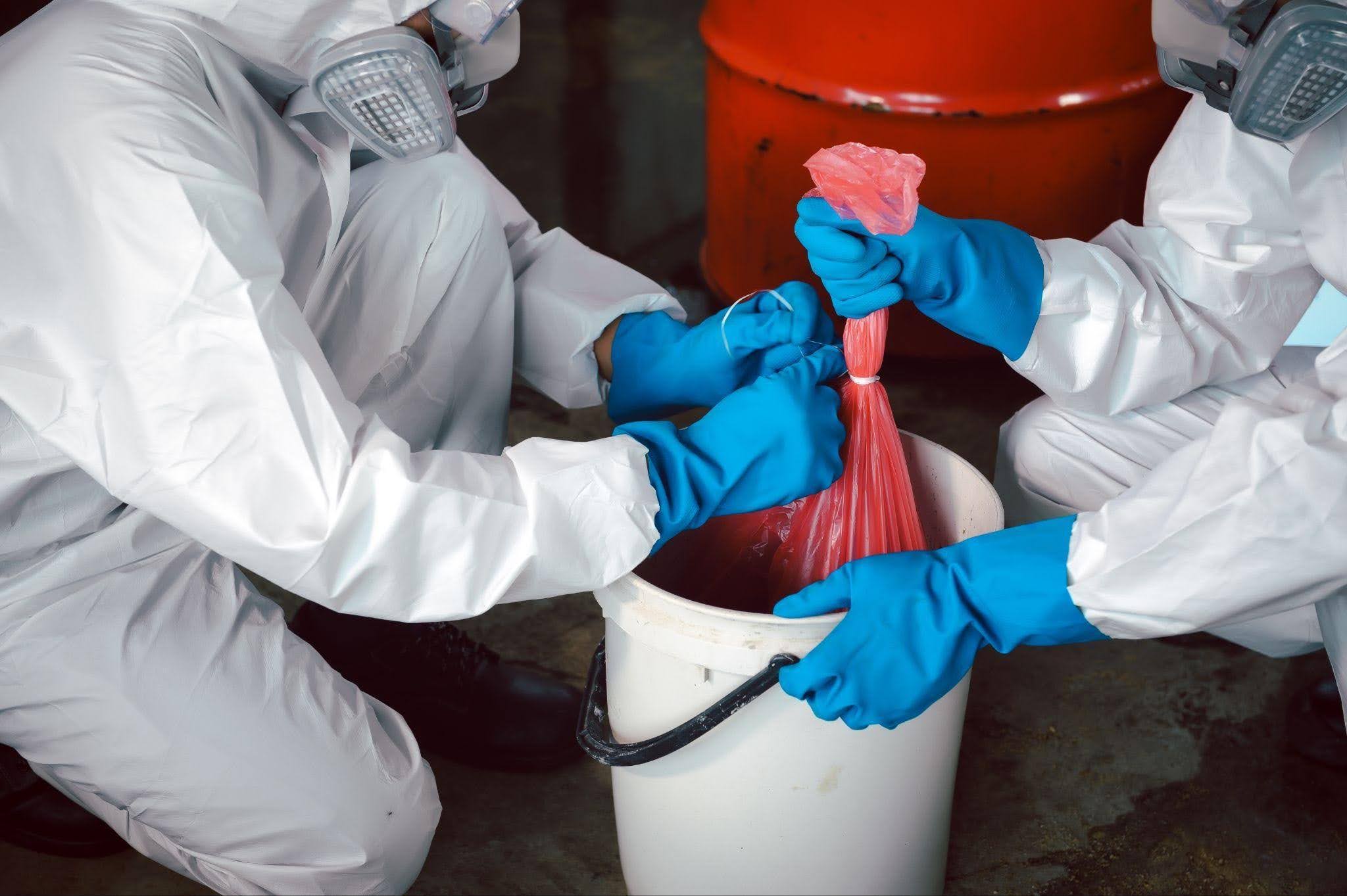
Biohazard cleanup in a hoarding situation starts with an assessment of the property and the contamination present. Crews first establish safe access and sort affected contents. They then remove contaminated materials and clean exposed surfaces. The process may also reveal hidden property damage that needs restoration. Not every hoarded home contains biohazard contamination.
When the cleanup goes beyond removing clutter
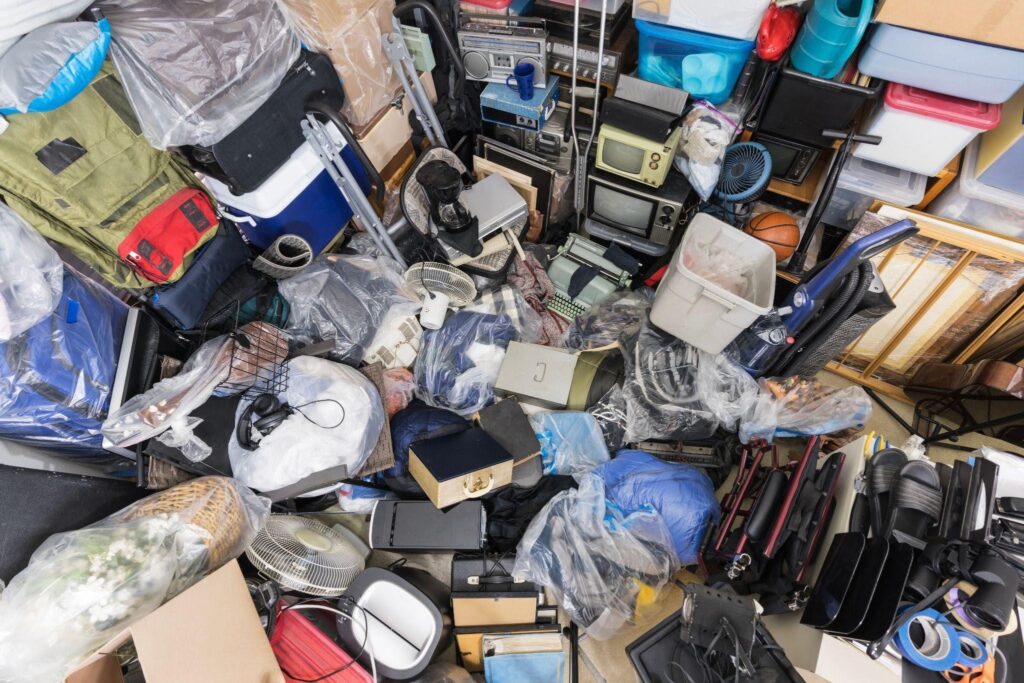
A heavily cluttered home may look like a cleanout project at first. That changes when biological material appears alongside the clutter. Animal waste and sewage may require specialized handling, as may blood or sharps. At that point, removing belongings only addresses part of the problem.
Professional biohazard cleanup focuses on the contamination and the surrounding contents. The crew needs to understand what has affected the property, create safe access, and determine which materials require cleaning or removal.
When does a hoarding situation become a biohazard concern?
A hoarded home becomes a biohazard concern when biological waste or other contamination is present among the contents.
The situation changes when crews find biohazard contamination, such as:
- Human or animal waste
- Blood or other potentially infectious material
- Sewage
- Dead animals
- Significant rodent contamination
- Used needles or other sharps
These conditions affect how crews enter the space and handle the materials inside it. If you already know about biological material, tell the cleanup company before anyone starts moving contents. That information helps the team plan the right biohazard precautions.
What happens during professional cleanup in a hoarded property?
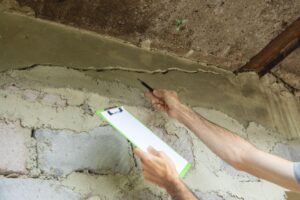
The crew first looks at the conditions inside
Crews need to understand where they may safely walk and which areas present the greatest concern. They look for visible contamination and spaces that remain blocked. They also watch for sharps or pest activity.
Heavy accumulation may prevent the team from seeing every affected area. The scope often becomes clearer as crews create access through the property.
The team establishes a safer work area
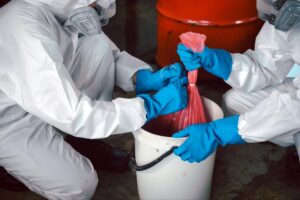
The crew uses a work approach that limits unnecessary contact with contaminated material. Workers may use protective clothing or respiratory protection when conditions call for it.
These biohazard precautions protect the cleanup team while helping limit the spread of contaminated material into unaffected areas.
Crews sort contents as they gain access
The crew sorts through everything, checks what may still be usable, and removes only what needs to go.
The owner or a designated decision-maker may identify belongings that deserve special attention. Crews may separate unaffected possessions from materials that contamination has damaged beyond practical cleaning.
The team addresses the contamination underneath
Once crews expose affected surfaces, they determine what needs cleaning and what may require removal. A hard surface presents a different cleanup question than carpet or unfinished wood that has absorbed biological material.
The cleanup should address the contamination itself rather than only improve the room’s appearance.
What happens to valuables and personal belongings?
Families often worry that a cleanup crew will throw everything away. Whenever possible, talk about important possessions before work begins.
Tell the team if you need them to watch for documents, photographs, or another specific item. If the owner won’t be present, decide who has the authority to make decisions during cleanup.
Some belongings may remain usable. Heavy biohazard contamination may make other items difficult to preserve. The cleanup team should explain those decisions as the work progresses.
Why the full cleanup scope may change
Hoarded contents often hide the condition of the building itself. A room may look like it only needs debris removal until the crew reaches the flooring or wall behind the accumulation.
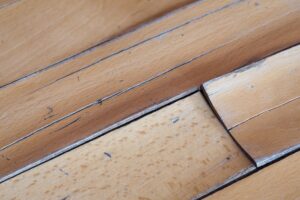
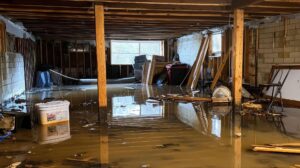
The team may uncover water damage or mold growth. Urine may have reached the subfloor. A plumbing problem may also appear once workers reach areas that have stayed covered.
At that point, cleanup may turn into a broader property restoration project. Addressing the damage beneath the surface helps move the property toward normal use rather than stopping once the clutter disappears.
Biohazard precautions homeowners should understand
It’s usually better to leave the property as it is until the cleanup team has seen the conditions firsthand. Moving piles or opening up blocked areas may uncover contamination that needs a more careful approach.
Rodent droppings are one example. Sweeping or vacuuming them may stir contaminated material into the air, so proper cleanup involves wetting and disinfecting the area before removal.
Loose needles also require extra caution. Avoid reaching into bags or piles when you suspect sharps may be present, since contaminated sharp objects require careful handling to reduce the risk of accidental contact.
If you already know about rodent waste, sharps, or another hazard, tell the cleanup company before work begins. That gives the team the information it needs to plan the right biohazard precautions from the start.
Common mistakes that make cleanup harder
Several early decisions may complicate the job:
- Starting with aggressive debris removal. Moving material before identifying contamination may spread waste or expose hidden sharps.
- Assuming everything needs disposal. Some belongings may deserve evaluation first.
- Treating odor as a separate problem. Deodorizing won’t solve contamination that remains inside porous material.
- Assuming the visible clutter shows the entire problem. Damage may remain hidden until crews clear the room.
A careful approach keeps the focus on the source rather than solely on the visible content.
Why odors may remain after the clutter is gone
Sometimes the smell lingers even after the clutter is gone because the source has soaked into the materials beneath the surface.
The crew needs to find where the odor originates and determine what the affected material requires. Sometimes cleaning addresses it. Other situations require material removal as part of restoration.
What should you do before the cleanup crew arrives?
Start by telling the cleanup team what you know about the property so they have a clearer picture of what they may be walking into.
Before the assessment:
- Mention a known animal or human waste.
- Tell the company about loose needles or other sharps.
- Identify belongings you especially want to preserve.
- Choose who will make decisions during the job.
- Arrange a safe place for pets during work.
The assessment gives the team a starting point, and the plan may change as crews uncover more of the property.
FAQ
Is every hoarding situation considered a biohazard?
No. Heavy clutter alone doesn’t necessarily create a biohazard concern. Biohazard contamination becomes an issue when biological material or other hazardous conditions require specialized handling.
Do I need to stay at the property during cleanup?
Not always. The cleanup company may need someone available to make decisions about belongings or scope changes. Ask whether you should remain on-site or designate someone else as the contact.
Will everything in the house get thrown away?
Not automatically. Crews may sort contents by condition and contamination. Discuss important documents or sentimental belongings before work begins.
How long does a hoarding cleanup take?
The timeline depends on the amount of material and access to affected areas. The extent of contamination also influences the work.
Why does the house still smell after the contents are gone?
The odor source may remain inside the affected building materials. The cleanup team may need to trace it to the flooring or another porous surface before addressing the source.
Take the next step with Total Flood & Fire Restoration
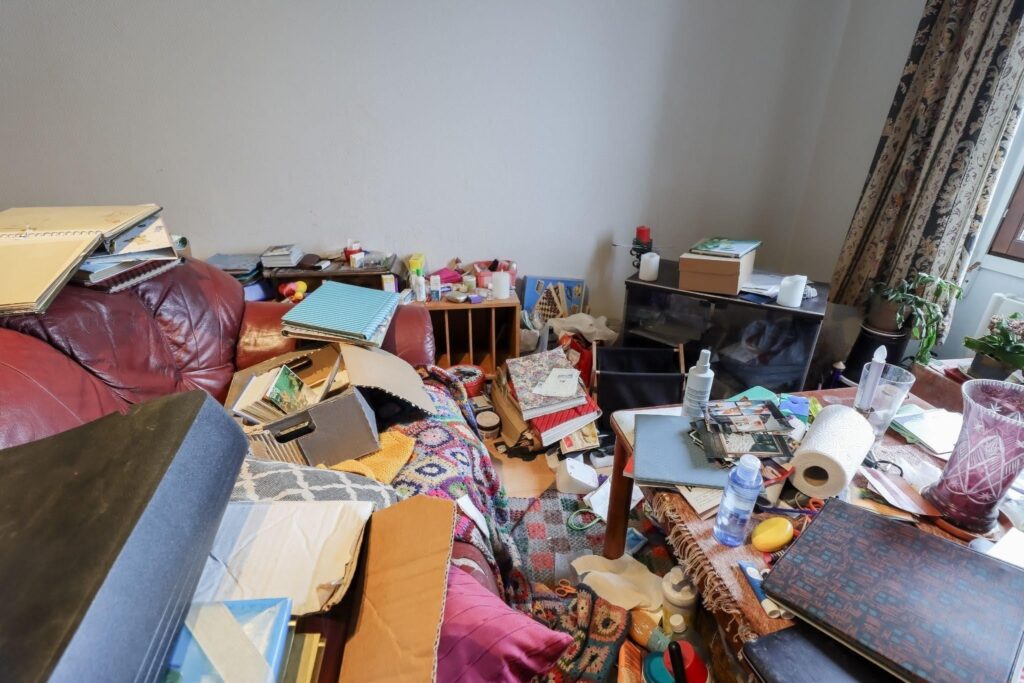
A hoarded property often reveals more as cleanup moves forward. Once crews remove the clutter, they may find contamination or damage that needs additional attention. A careful assessment helps determine what the property needs and how to move through the cleanup safely.
Total Flood & Fire Restoration handles biohazard cleanup with careful planning and respect for the people involved. If you are unsure what a hoarded property needs, contact Total Flood & Fire Restoration to discuss the conditions and determine the next step.