Utah homeowners face a real earthquake risk along the Wasatch Front. Strong shaking may damage homes well beyond the fault itself, especially older masonry homes or properties with vulnerable utilities. Earthquake preparedness starts with understanding your home and reducing avoidable hazards. It also means knowing what to do if shaking leaves behind structural or restoration damage.
Why the Wasatch Fault matters for Utah homeowners
The Wasatch Fault sits close to many of Utah’s most populated communities, but living several miles away doesn’t remove the risk. Strong shaking may travel well beyond the fault and affect homes throughout the Wasatch Front.
Scientists don’t know when the next major earthquake will happen. That uncertainty makes earthquake preparedness less about predicting a date and more about understanding what could happen to your home. It also helps to know where to turn for property damage restoration if an earthquake causes water, fire, or other damage requiring professional cleanup.
How likely is a damaging earthquake in Utah?
Utah experiences earthquakes regularly, though most cause little or no property damage. The greater concern comes from larger faults along the Wasatch Front.
Utah’s official earthquake information reports a 57% chance of at least one magnitude 6.0 or greater earthquake in the region over a 50-year period. The chance of a magnitude 6.75 or greater event reaches 43%.
The 2020 magnitude 5.7 Magna earthquake showed that northern Utah remains seismically active. For homeowners, that makes earthquake risk something worth preparing for before damage occurs.
Why distance from the Wasatch Fault doesn’t tell the whole story
Homes several miles from a fault may still suffer damage during an earthquake. The ground may rupture in one area while strong shaking spreads across a much wider part of the region.
Risk also depends on the home’s construction and the ground beneath it. Some Wasatch Front areas face liquefaction hazards, in which strong shaking may cause water-saturated soils to lose strength and shift beneath a structure.
Instead of asking only how close your house sits to the Wasatch Fault, look at the broader conditions around the property.
What damage from an earthquake may look like in your home
Some damage stands out immediately. Other problems may not appear until you check utilities or look more closely at the structure.
Watch for changes that appeared after the shaking:
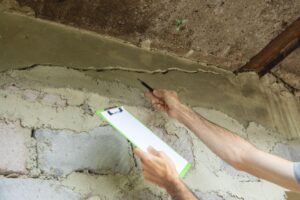
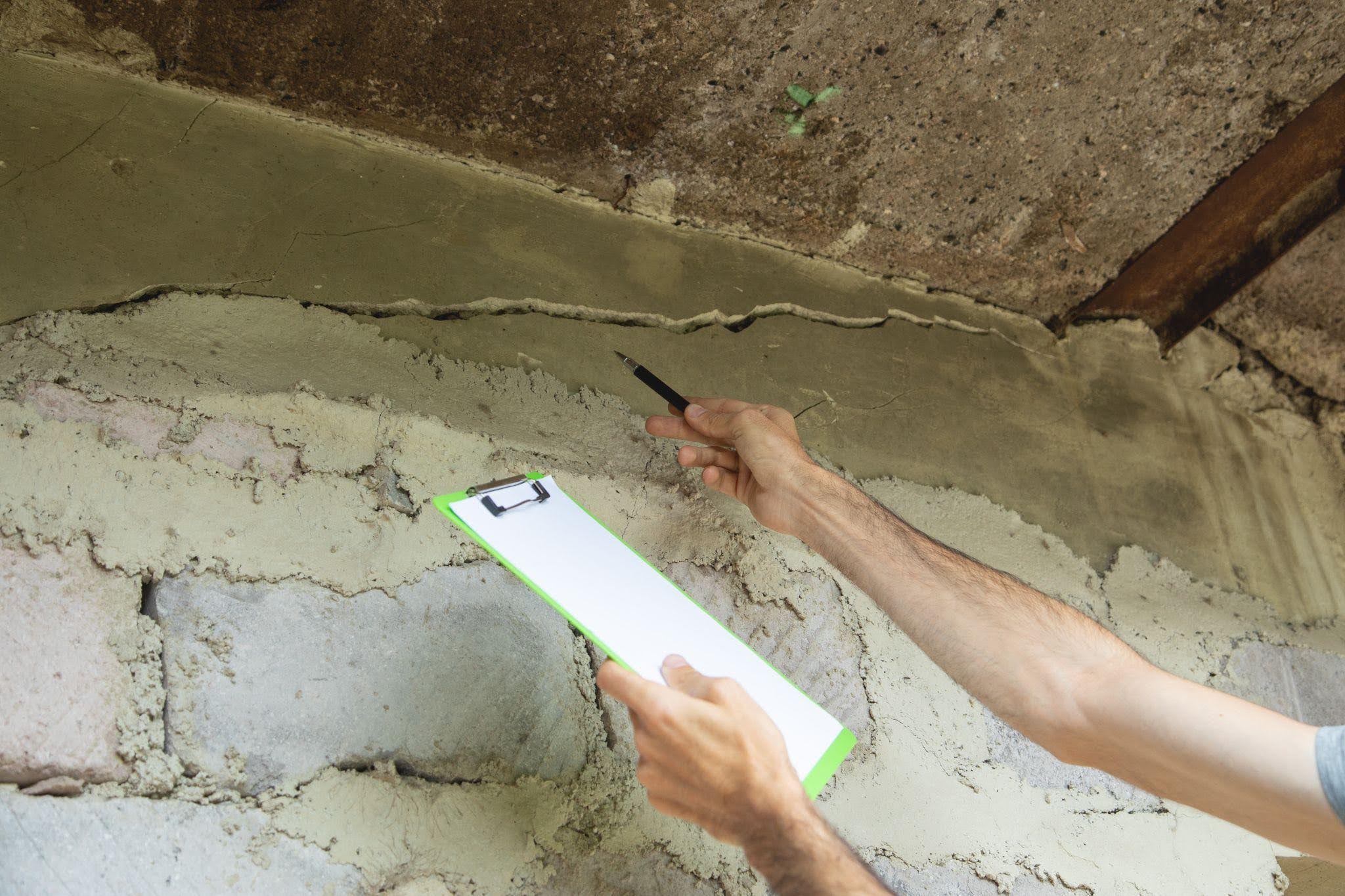
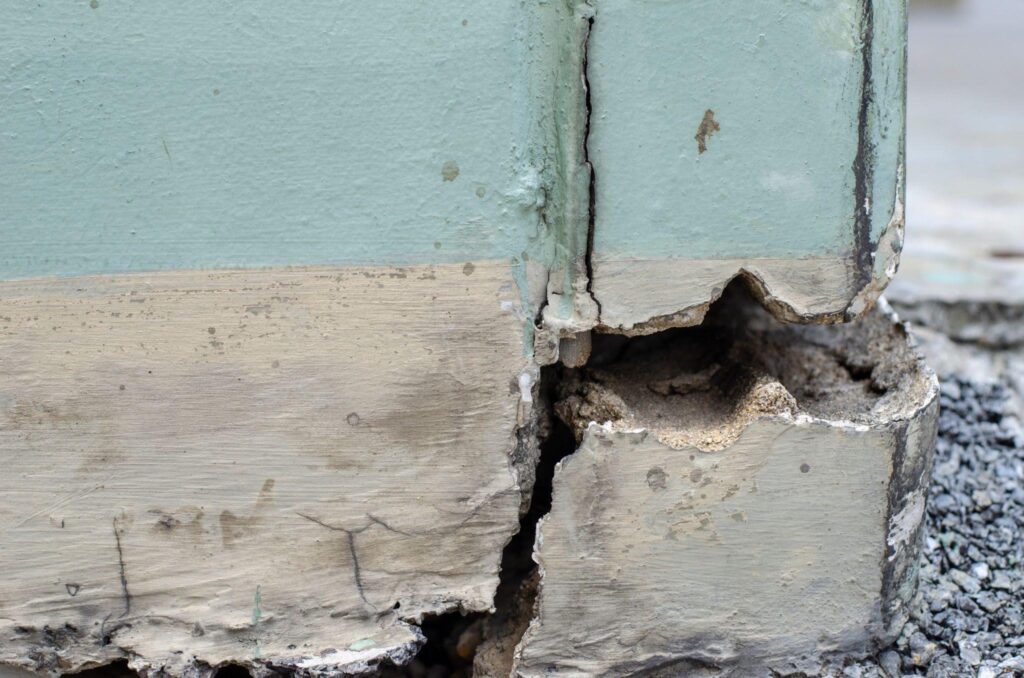
- New foundation or masonry cracks
- Stair-step cracking through brick or mortar
- Doors or windows that suddenly stick
- A chimney that cracked or shifted
- Walls that appear out of plumb
- New leaks or signs of damaged plumbing
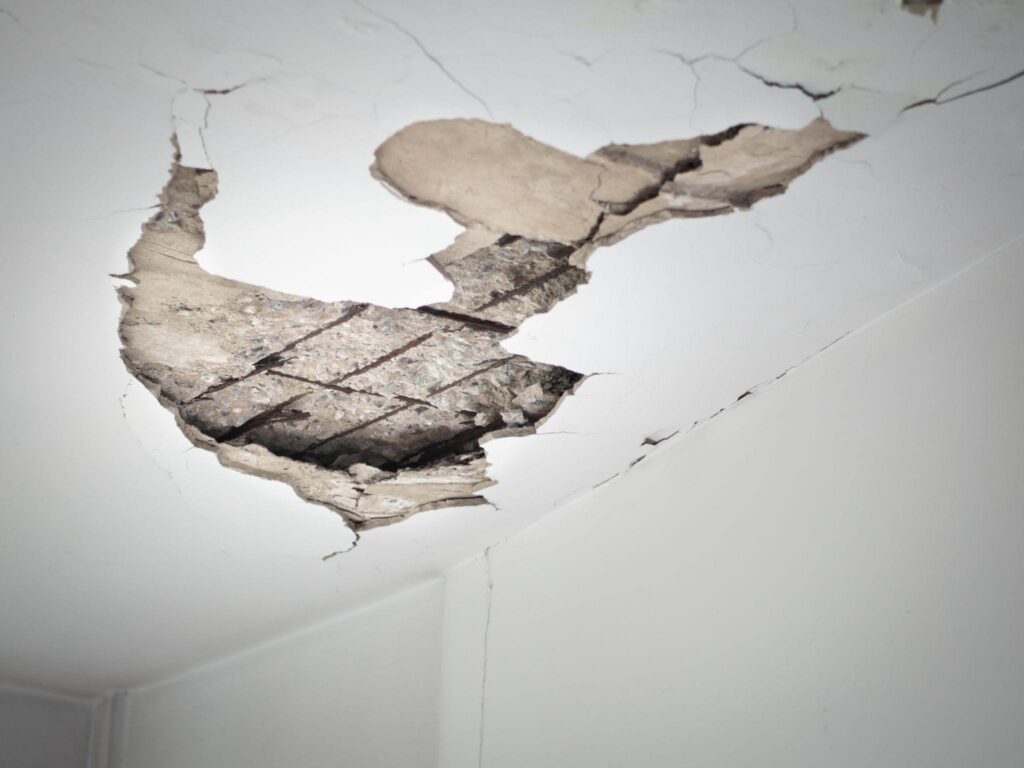
Strong movement may also damage roof connections or interior finishes. Heavy fixtures may fall even when the structure remains largely intact.
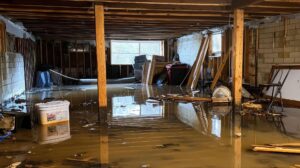
An earthquake may also start a second property problem. A broken supply line may cause water to run through walls or flooring. In that situation, professional water damage restoration may follow the plumbing repair. Damaged electrical or gas systems may also contribute to a fire and leave smoke or soot behind.
What makes some Utah homes more vulnerable?
Age and construction make a meaningful difference. Utah earthquake guidance notes that wood-frame homes generally sustain less damage from shaking than unreinforced brick or masonry homes. Utah used unreinforced masonry construction widely into the 1970s, which leaves many older buildings with greater seismic vulnerability.
Brick siding alone doesn’t tell you how the home will handle an earthquake. If you’re unsure about its structure, a structural engineer can help identify any weak points.
Local ground conditions matter, too. Liquefaction-prone areas may face additional risk.
How to prepare your Utah home for an earthquake
Start by looking at what may shift or fall during strong shaking. Then consider parts of the home that may fail. Some preparation involves the structure itself, while other steps reduce hazards inside the home.
Consider these steps:
- Secure tall furniture and heavy objects to wall studs.
- Strap the water heater properly.
- Move heavy items away from shelves above beds.
- Find the water and electrical shutoffs before an emergency.
- Ask a qualified professional about seismic improvements if the home has structural vulnerabilities.
Don’t automatically shut off natural gas after every earthquake. Look for signs of a leak and follow guidance from the utility provider or emergency officials.
Your earthquake preparedness plan should also account for disrupted services. Store emergency water and keep flashlights accessible. Maintain a photo inventory of important belongings and keep insurance information in an accessible place.
Standard homeowners insurance generally excludes earthquake losses, so ask your insurer what separate earthquake coverage would include. The Utah Insurance Department recommends that you review the available coverage and exclusions with your insurance professional.
What to do after an earthquake affects your home
Once the shaking stops, focus on safety before cleanup. Aftershocks may follow and worsen existing damage.
From a safe location, look for structural movement. Leave the home if the structure appears unsafe and wait for the appropriate professional to evaluate it.
If it is safe to remain near the property:
- Photograph visible damage before major cleanup begins.
- Address active water leaks through the appropriate plumbing professional.
- Stay away from damaged electrical components.
- Follow utility guidance if you smell or hear escaping gas.
Then separate the problems by type. Structural concerns may require an engineer. A plumber may need to repair a damaged water line before restoration begins. If the earthquake causes a fire, professional fire damage restoration may address smoke or soot after emergency crews address immediate hazards.
What earthquake damage repair may involve
Earthquake damage repair rarely follows a single, universal process because shaking may affect different parts of a home in different ways.
A structural evaluation may come first when the home shows signs of movement. Engineers or specialty contractors may address foundation or masonry concerns. Trade professionals may repair damaged utilities.
Restoration crews address what those failures leave behind. A broken pipe may soak finished materials. A fire may spread smoke beyond the room where it started.
The repair scope may change once crews uncover finishes and see what happened behind them. Document the damage throughout the process, especially if you plan to submit an insurance claim.
FAQ
Is my home safe if I don’t live directly on the Wasatch Fault?
Distance from the fault doesn’t determine your entire risk. Strong shaking may travel for miles, and local soil conditions also matter.
How do I know if an earthquake affected my home?
Look for changes that appeared after the earthquake, such as new cracks or sticking doors. Seek a professional structural evaluation when you notice signs that suggest movement.
Are older brick homes more vulnerable to earthquakes in Utah?
Unreinforced masonry homes face a greater shaking risk than many wood-frame homes. Older Utah homes deserve particular attention because many predate modern seismic requirements.
Should I shut off my gas after an earthquake?
Don’t shut off natural gas simply because you felt an earthquake. If you smell gas or notice another sign of a leak, leave the area and follow instructions from your utility provider or emergency officials.
Does homeowners’ insurance cover earthquake losses in Utah?
Standard homeowners’ policies generally exclude earthquake losses. Separate earthquake insurance or an endorsement may provide coverage, depending on the policy. Review the deductible and exclusions with your insurer before an earthquake occurs.
Who should I call for earthquake damage repair?
Start with the problem that creates the greatest safety concern. Structural movement may require an engineer. Damaged plumbing or electrical systems require the appropriate trade professional. A restoration company handles water damage and fire-and-smoke cleanup.
Prepare your home with Total Flood & Fire Restoration
Learn about your home’s construction and address obvious hazards before strong shaking puts them to the test. Keep important records accessible, and know which professionals to contact if damage occurs.
If an earthquake has damaged your home and you need professional cleanup or restoration, contact Total Flood & Fire Restoration for an inspection and a practical recovery plan.