Why storm restoration costs vary so much
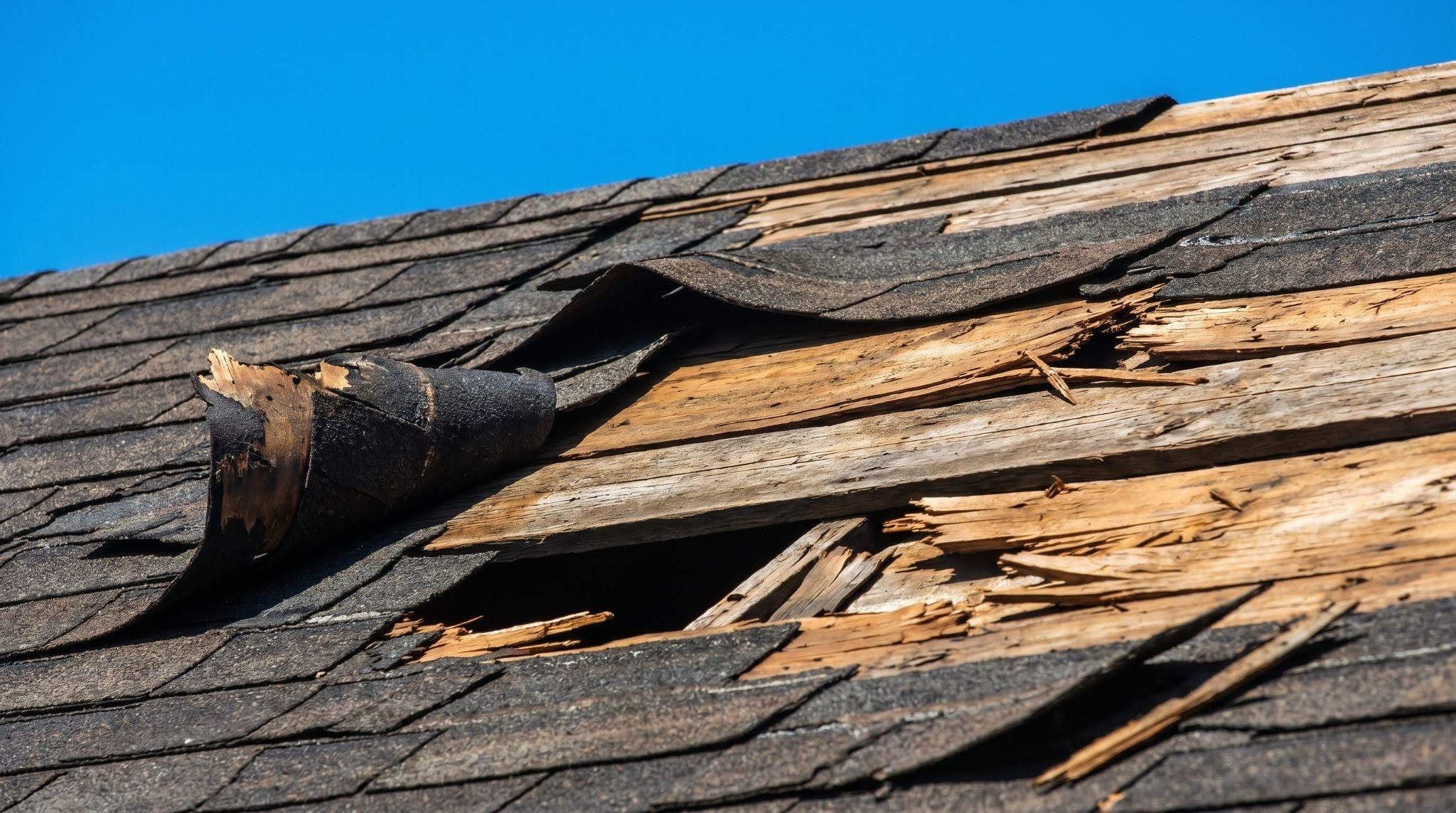
A few missing shingles may look like a straightforward repair. A property-specific storm damage inspection gives you a clearer picture of the work ahead and helps the restoration team build the scope around what your home actually needs.
If rain gets inside, a relatively simple roof repair may expand into a broader storm cleanup and restoration project. That difference in scope explains why two homeowners may face very different costs after the same storm.
What does storm restoration cost in Utah?
Utah storm losses don’t follow one standard price. Current 2026 storm repair estimates place many projects between $2,641 and $22,127, with an average of around $12,331. Smaller repairs may fall below that range, while extensive structural losses may climb much higher.
One home may only need a limited roof repair. Another property from the same storm may need emergency protection followed by interior drying and reconstruction.
If insurance covers the loss, your deductible and policy terms help determine what you ultimately pay. The total repair cost and your personal out-of-pocket cost may differ significantly.
What actually goes into the cost?
A storm damage estimate reflects more than the visible repair. Depending on what happened, the project may include:
- Emergency protection: Crews may tarp an opening or board up a damaged area to prevent further weather damage.
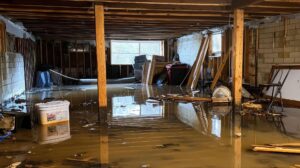
- Water mitigation: When rain enters the home, crews may remove standing water and set drying equipment.
- Material removal: Water may ruin insulation or drywall beyond practical recovery.
- Repairs and reconstruction: After mitigation, the property still needs repairs to replace damaged building materials.
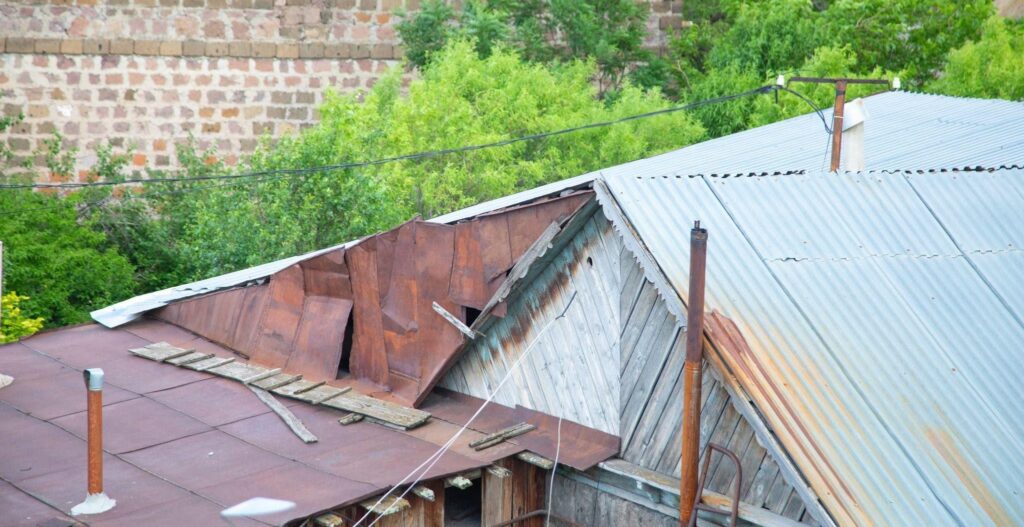
- Structural work: Damage to the roof decking or framing increases labor and material costs.
Why two similar storm losses may cost very different amounts
Two houses on the same street may show similar roof damage but require very different work.
The size of the affected area plays a major role. Water limited to one ceiling section creates a smaller project than moisture that spreads into several rooms or hidden materials.
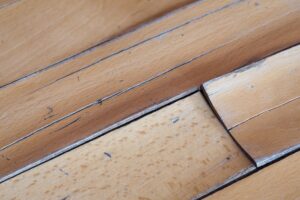
Materials and access also affect the price. Replacing drywall costs less than repairing hardwood flooring or structural components, while steep roofs and tight attics may add labor.
A storm damage estimate should reflect the property’s actual conditions rather than rely on a generic square-foot price.
What small, moderate, and major storm losses look like
Pricing makes more sense when you look at the work behind the number.
- Smaller loss: Wind removes shingles from one section of the roof, but rain doesn’t enter the home. Crews only need to address the exterior damage.
- Moderate loss: Wind damages the roof, and rain reaches the bedroom ceiling. The job now includes interior drying and may require the removal of wet insulation or damaged drywall.
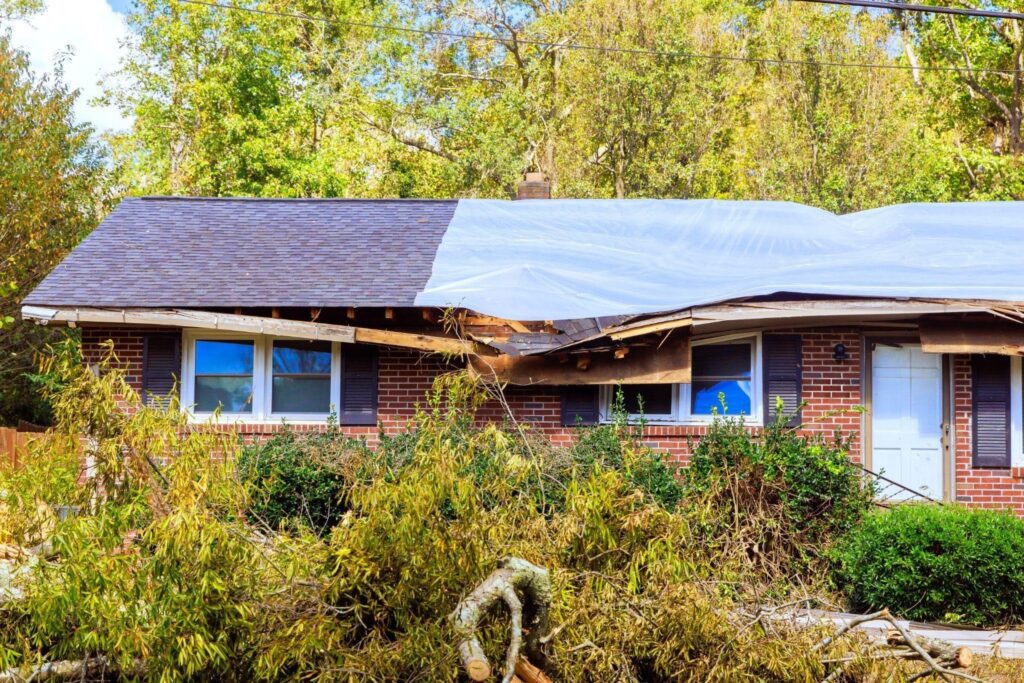
- Major loss: A tree or severe wind damage to part of the structure leaves the home exposed. Water reaches several areas before crews secure the opening. The project may require emergency stabilization followed by drying and reconstruction.
All three situations involve storm-related repairs, but the scope of storm damage restoration changes dramatically depending on how much of the property the storm affected.
Why your first estimate may change
The first inspection doesn’t always reveal every part of the loss. Water follows framing and other pathways inside a structure, so the visible stain may not show where the moisture stops.
Moisture readings may reveal wet materials beyond the obvious area. Crews may also find saturated insulation after opening a damaged ceiling or discover roof decking damage once they gain access. A thorough storm damage inspection may also uncover conditions that weren’t visible during the initial walkthrough.
When new information changes the scope, ask the restoration team to explain what it found and how that discovery affects the work. A revised storm damage estimate should connect the added cost to specific conditions.
What should an estimate include?
Before you compare prices, make sure you compare the same work. One contractor may quote mitigation, while another includes rebuilding.
Check which areas the price covers and whether it includes drying. Ask whether reconstruction will come later and whether any hidden damage could change the scope. The contractor should explain those limits rather than leaving you with a single unexplained total.
Understanding the scope also helps you compare estimates based on the work involved rather than choosing between two numbers that may represent very different projects.
How does homeowners’ insurance affect what you pay?
Insurance may reduce your out-of-pocket costs, depending on your policy. Most standard homeowners’ policies cover wind damage and wind-driven rain under certain conditions. Utah’s home claims guidance also recommends documenting the damage and taking reasonable steps to prevent further loss.
Flooding usually falls under different coverage. Rising surface water may not receive the same treatment as rain that enters through a storm-damaged roof.
Your deductible and coverage terms also affect the final claim payment. Review your policy and talk with your insurer about the specific loss.
Common cost mistakes to avoid after a storm
A few assumptions make storm costs harder to understand:
- Stopping at the roof: Fixing the opening doesn’t address water that has already entered the home.
- Assuming mitigation includes reconstruction: Drying the property and rebuilding damaged finishes often involve different phases.
- Comparing totals rather than scope: A lower number may omit work that another estimate includes.
- Waiting on interior moisture: If rain entered the property, delaying the inspection may allow moisture to spread farther.
If storm-related water reaches the interior, professional water damage restoration may be necessary as part of the recovery, even after repairs to the exterior source.
How to get a clearer idea of what your project will cost
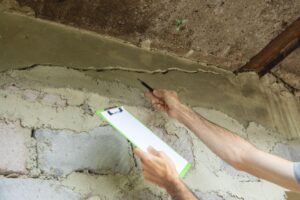
Online cost ranges give you a general starting point, but an on-site assessment provides a much clearer picture of what your property needs. A storm damage inspection helps show where the damage starts and whether water reached areas you can’t see.
Once you have the inspection results, ask what the estimate includes and whether any part of the scope remains uncertain. That makes it easier to understand the price and discuss the loss with your insurer.
Does homeowners’ insurance cover storm damage in Utah?
Many policies cover wind and hail damage, as well as rain that enters through a storm-created opening. Flooding usually requires separate coverage, so check your specific policy.
Does storm restoration include roof repair?
Sometimes. The scope may include temporary roof protection and interior restoration, while a roofing contractor handles permanent roof repairs.
Does water inside the home increase the cost?
Usually. Interior moisture may require drying, material removal, and additional repairs beyond the scope of the original exterior damage.
Why won’t a restoration company give an exact price over the phone?
The company needs to see the property before it knows what work the home requires. An inspection helps identify the affected areas so the estimate reflects the actual damage.
Do I pay the entire restoration bill if I have insurance?
Not necessarily. Your deductible and policy terms determine how much of a covered loss you pay yourself.
Let Total Flood & Fire Restoration help you understand the damage
Storm costs make more sense once you know what the property actually needs. A limited exterior repair and a home with hidden water damage involve very different scopes, even when the same storm caused both problems.
If your Utah property has storm damage, contact Total Flood & Fire Restoration for a closer look. Our team will inspect the affected areas and explain what we find, so you have a clearer path forward before cleanup or repairs begin.