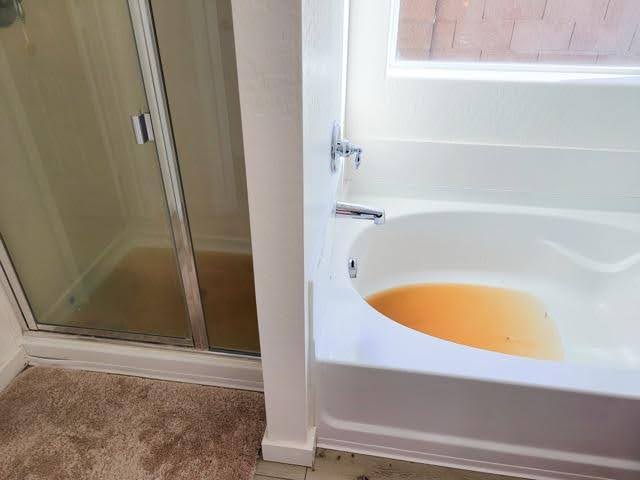
Category 3 water is highly contaminated and may contain sewage, bacteria, viruses, and other harmful substances. It often comes from sewage backups, flooding, or water that has come into contact with hazardous waste. Because it poses serious health risks, professional black water cleanup and thorough water damage cleanup are typically necessary to restore a safe indoor environment.
Why is category 3 water different from a normal leak?
Not all water damage is the same. A clean supply line leak still causes serious structural issues, but category 3 water poses a much greater health risk because it carries pathogens and other harmful contaminants.
This type of water, often called black water, spreads quickly through flooring, drywall, insulation, and baseboards. If you treat it like a standard leak, you may expose your household to dangerous bacteria and viruses, and make cleanup more expensive.
In this guide, you’ll learn what category 3 water is, where it comes from, why it’s dangerous, and what safe water damage cleanup and black water cleanup should include.
What category 3 water is and why it’s dangerous
Category 3 water is the most contaminated classification of water damage. People often call it “black water” because it may contain sewage, fecal matter, bacteria, viruses, and other harmful contaminants. Unlike a clean water leak, this type of water makes people sick through direct contact, accidental ingestion, or aerosolized particles that become airborne during cleanup.
Here’s a simple way to understand the categories:
- Category 1: Clean water (like a broken supply line).
- Category 2: Significantly contaminated water (often from appliances or overflow with impurities).
- Category 3: Highly contaminated water, typically involving sewage or hazardous contaminants.
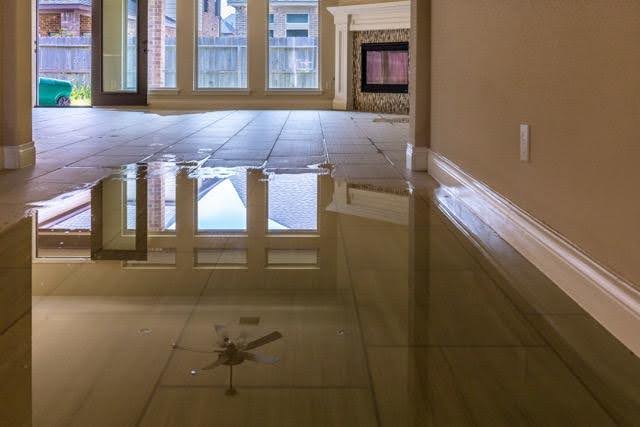
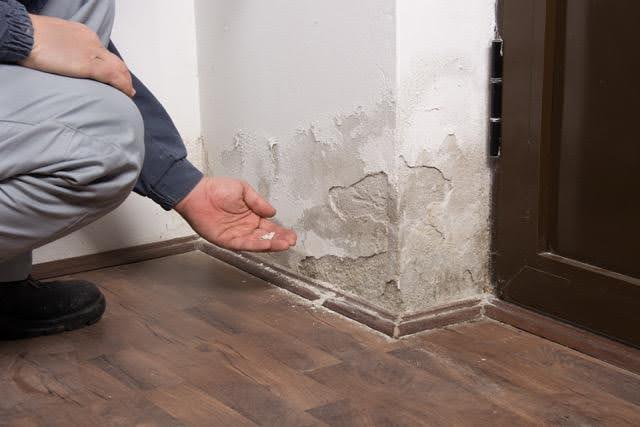
The biggest danger with category 3 water is that it doesn’t stay in one place. It seeps under flooring, soaks into drywall, wicks up baseboards, and saturates insulation. Once contaminated moisture gets into porous materials, surface wiping and household disinfectants rarely solve the problem.
If contaminated water soaks into porous materials, you often need removal and replacement to restore safe conditions.
Step-by-step: What to do if you have category 3 water
1. Put safety first
Keep people and pets out of the affected area. Avoid direct contact. If the water is near outlets or appliances, do not step into it. If you can safely shut off power to the affected area, do so, but only if you can reach the breaker without entering contaminated water.
Avoid running fans or HVAC systems that could spread contaminants through the home.
2. Stop the source if possible
If a toilet overflow, a drain backup, or a sewer line problem is causing the issue, stop using water throughout the home and call a plumber if needed. In many cases, you’ll need both plumbing support and professional restoration support to address the source and the damage.
3. Document the loss
Take photos and videos from a safe distance. You’ll want to capture the following:
- The affected rooms and water lines
- Any visible sewage or contamination
- Damaged flooring, baseboards, drywall, and contents
- The source area (if visible)
This documentation helps with insurance and makes it easier to create an accurate scope.
4. Avoid DIY cleanup
DIY efforts increase exposure risk and spread contamination. Scrubbing, vacuuming, and using fans aerosolize bacteria and pathogens. Household disinfectants may not penetrate porous materials, and improper chemical use creates fumes or damages finishes.
5. Call professionals for black water cleanup
Professional black water cleanup focuses on containment, safe removal, disinfection, and proper disposal. A qualified team will determine which materials they salvage and which they must remove to eliminate contamination.
6. Begin thorough water damage cleanup
After removal and sanitation, the next step is drying and monitoring. Proper water damage cleanup includes water extraction, controlled drying, moisture monitoring, and verification that the structure is returning to safe levels. Without this step, moisture remains trapped, leading to long-term damage.
Why professional cleanup matters
Category 3 water is not a “mop and disinfect” situation. Professional cleanup matters because it reduces health risk and ensures the home is truly safe again.
Here’s what professionals provide that homeowners typically cannot:
- Containment to prevent cross-contamination into clean areas
- PPE and safety protocols to reduce exposure risk
- Removal of contaminated porous materials when needed
- Industrial disinfection using the correct products and dwell time
- Proper drying and moisture monitoring to prevent lingering damage
- Odor control that treats the source rather than masking smells
- Documentation that supports insurance claims and scope clarity
This is why black water cleanup requires specialized training and equipment. Even if the affected area looks small, contamination can travel beneath surfaces and spread farther than you expect.
Common mistakes to avoid
Avoiding the wrong steps protects your health and your home.
- Entering the affected area without protective equipment
- Using fans or shop vacs that spread contaminants
- Trying to “sanitize” carpet and padding instead of removing them
- Leaving wet drywall or insulation in place
- Mixing chemicals, especially cleaners that create fumes when combined
- Delaying response and letting contamination spread
- Throwing away items before documenting the loss
When category 3 water is involved, delays and DIY mistakes often increase costs and risks.
Key safety facts
- Sewage-contaminated water makes you sick. The CDC warns that floodwater may contain sewage and cause illness, and it advises limiting contact and keeping children out of contaminated water.
- Assume floodwater is contaminated. The EPA advises avoiding contact with floodwater due to potential contamination from raw sewage and other hazardous substances.
- Mold grows quickly after moisture exposure. FEMA notes mold colonies can begin growing on damp surfaces within 24–48 hours, which is why rapid drying is a core part of professional water damage cleanup.
Tools and processes used in black water cleanup
Professional teams use specialized tools and processes designed for contaminated environments, including:
- PPE such as respirators, gloves, and protective suits
- Containment barriers and negative air setups
- HEPA filtration and air scrubbers
- Industrial extraction tools for rapid water removal
- Commercial dehumidifiers and controlled drying systems
- EPA-registered disinfectants used correctly, including proper contact time
- Safe debris removal and disposal procedures
- Moisture monitoring to confirm drying progress and completion
A structured process matters because contamination remains even after the water is gone. Black water cleanup must address both safety and restoration.
FAQs
What is category 3 water, and why is it dangerous?
Category 3 water is highly contaminated water that may contain sewage, bacteria, and viruses. It soaks into porous materials and spreads germs through contact or airborne particles, so professional cleanup is usually necessary.
Can I stay in my home during black water cleanup?
Sometimes, but it depends on where the contamination spreads. If sewage affects living areas or containment can’t fully isolate the work zone, temporary relocation may be the safest option.
Which materials do restoration teams usually remove after a sewage backup?
Porous materials such as carpet, padding, drywall, insulation, and some upholstery often need to be removed once they absorb contamination. Many nonporous surfaces are cleaned and disinfected, depending on the level of exposure.
Does insurance cover water damage cleanup for sewage?
It depends on your policy and whether you have a sewer backup endorsement. Take photos, save receipts, and request a written scope to support your claim.
How fast should I respond to category 3 water?
Respond immediately. The longer it sits, the more it spreads and the harder it is to restore safely. Quick containment and disinfection reduce health risks and repair costs.
Restore your home safely with Total Flood and Fire Restoration
Category 3 water is the most dangerous type of water damage because it may contain sewage and harmful pathogens. DIY cleanup puts your health at risk and often allows contamination to spread into materials you can’t properly disinfect.
If you need professional black water cleanup and reliable water damage cleanup, contact Total Flood and Fire Restoration. Our team is available 24/7 to help you restore your home to a safe, clean state as quickly as possible.