Fire damage restoration is the process of assessing safety, removing damaged materials, cleaning smoke and soot residue, drying water from suppression efforts, deodorizing affected spaces, and rebuilding to restore your home. Acting quickly after fire damage helps prevent secondary deterioration and protects indoor air quality. Professional fire damage cleanup also supports safer recovery and smoother insurance documentation.
What to do after a fire so recovery goes smoother
After a fire, the most overwhelming part often begins once the flames are out. You may find soot on every surface, smell lingering smoke odor, deal with water from firefighting efforts, and wonder what you can save. A clear plan helps you move forward safely and avoid delays that worsen damage.
In this guide, you’ll learn what the restoration process includes, what to do first, how timelines typically unfold, and which mistakes to avoid. You’ll also see common scenarios and what to expect from professional teams during fire damage cleanup and repairs.
What is fire damage restoration
Fire damage restoration is the full process of making a home safe again after a fire and returning it to pre-loss condition. That includes more than repairing what burned. It also includes smoke residue that traveled through the home, odors that soaked into porous materials, and water damage from sprinklers or fire hoses.
A typical restoration project may include:
- Safety checks and emergency stabilization
- Documentation and scope planning
- Removal of unsalvageable debris and materials
- Detailed cleaning of soot and smoke residue
- Drying and moisture control when water is present
- Odor treatment and indoor air quality steps
- Reconstruction and finishing work
Many homeowners underestimate how far smoke and soot travel. Even if the damage appears limited to one room, residue accumulates in HVAC ducts, attics, and wall cavities.
Early stabilization and documentation help reduce preventable loss and keep the project moving.
Fire damage cleanup and restoration process
1. Safety clearance and emergency stabilization
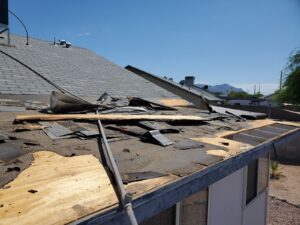
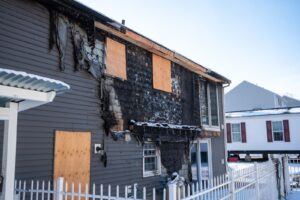
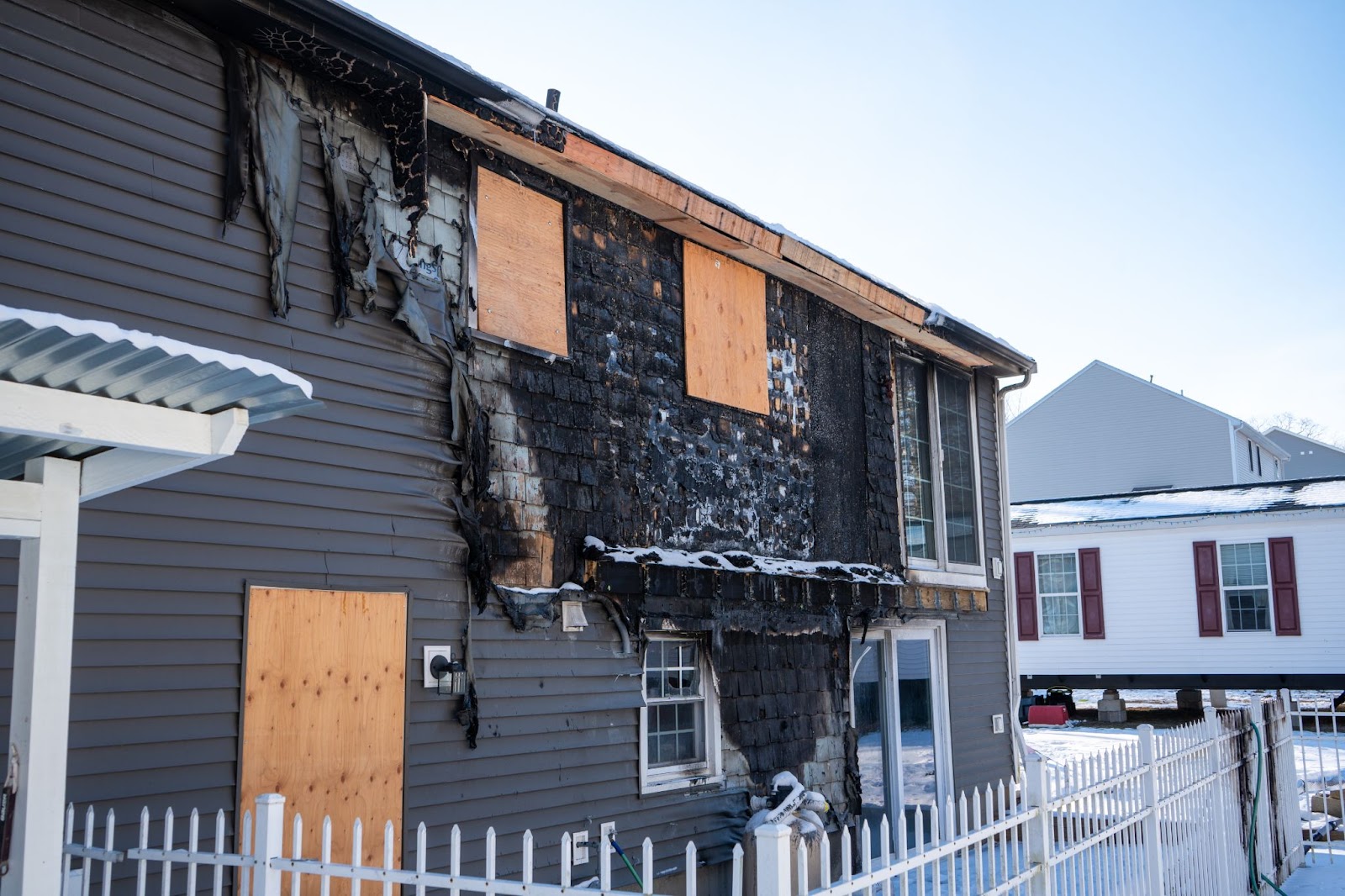
Start with safety. Wait for clearance before entering. If the structure has broken windows, exposed roof areas, or unsecured doors, professionals may board up or tarp the property to protect it from the weather and theft. This early phase of fire damage cleanup focuses on stabilizing the site so restoration work proceeds safely.
2. Inspection, assessment, and documentation
A professional team evaluates the scope of damage, including:
- Burn severity and structural concerns
- Soot and smoke spread beyond the origin area
- Water impacts from suppression efforts
- Contents that need to be cleaned versus replaced
- Safety issues such as electrical exposure or unstable materials
This assessment creates the roadmap for fire damage restoration, including timelines, equipment needs, and repair scope.
3. Water extraction and drying
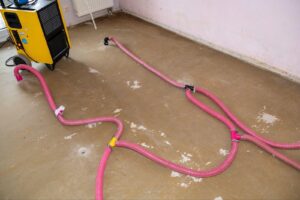
Many fire losses include water. If the home has standing water or saturated materials, extraction and drying begin quickly. Teams use dehumidifiers and air movers, then monitor moisture to confirm drying progress. Drying matters because wet drywall, insulation, and flooring deteriorate and create microbial risk if moisture remains trapped.
4. Debris removal and controlled demolition
Next, crews remove debris and unsalvageable materials. This may include burned drywall, flooring, insulation, or cabinetry. Teams often set containment barriers to protect clean areas, reduce cross-contamination, and support safer work zones.
5. Smoke and soot cleaning
Smoke residue requires careful technique. Dry soot removal, HEPA filtration, and approved cleaning agents prevent smearing and staining. DIY wiping often pushes soot deeper into paint, wood grain, and porous surfaces. This stage is a core part of professional fire damage cleanup because it addresses contamination that persists and continues to damage surfaces over time.
6. Odor control and air quality steps
Odor treatment works best when teams remove the source first. After cleaning, teams may use air scrubbing and targeted deodorization methods. They may also evaluate HVAC pathways, as ducts distribute odors and debris throughout the home.
7. Restoration and reconstruction
Finally, crews rebuild the areas they removed. These include drywall, insulation, paint, flooring, trim, cabinetry, and structural repairs. A quality provider documents completion and performs a final walkthrough. This phase completes the return to pre-loss condition and closes out the full fire damage restoration plan.
Fire damage scenarios and what to expect
Small kitchen fire with smoke migration
A kitchen fire may leave the most visible damage near the stove, but smoke travels into hallways, living rooms, and bedrooms. Odors often linger in soft goods, insulation, and cabinets. The project may involve targeted demolition near the origin area and broader cleaning throughout the home.
Bedroom fire with heavy soot
A bedroom fire produces heavy soot that spreads widely. Contents such as clothing, bedding, and upholstered furniture often require specialized treatment or replacement. Timelines increase when the project includes pack-out, detailed cleaning, and a larger rebuild scope.
Garage fire with structural and electrical concerns
Garage fires impact framing and overhead structural components. They may also affect electrical systems, stored chemicals, and vehicle-related residues. This scenario often requires careful assessment, safety precautions, and staged work before the rebuild begins.
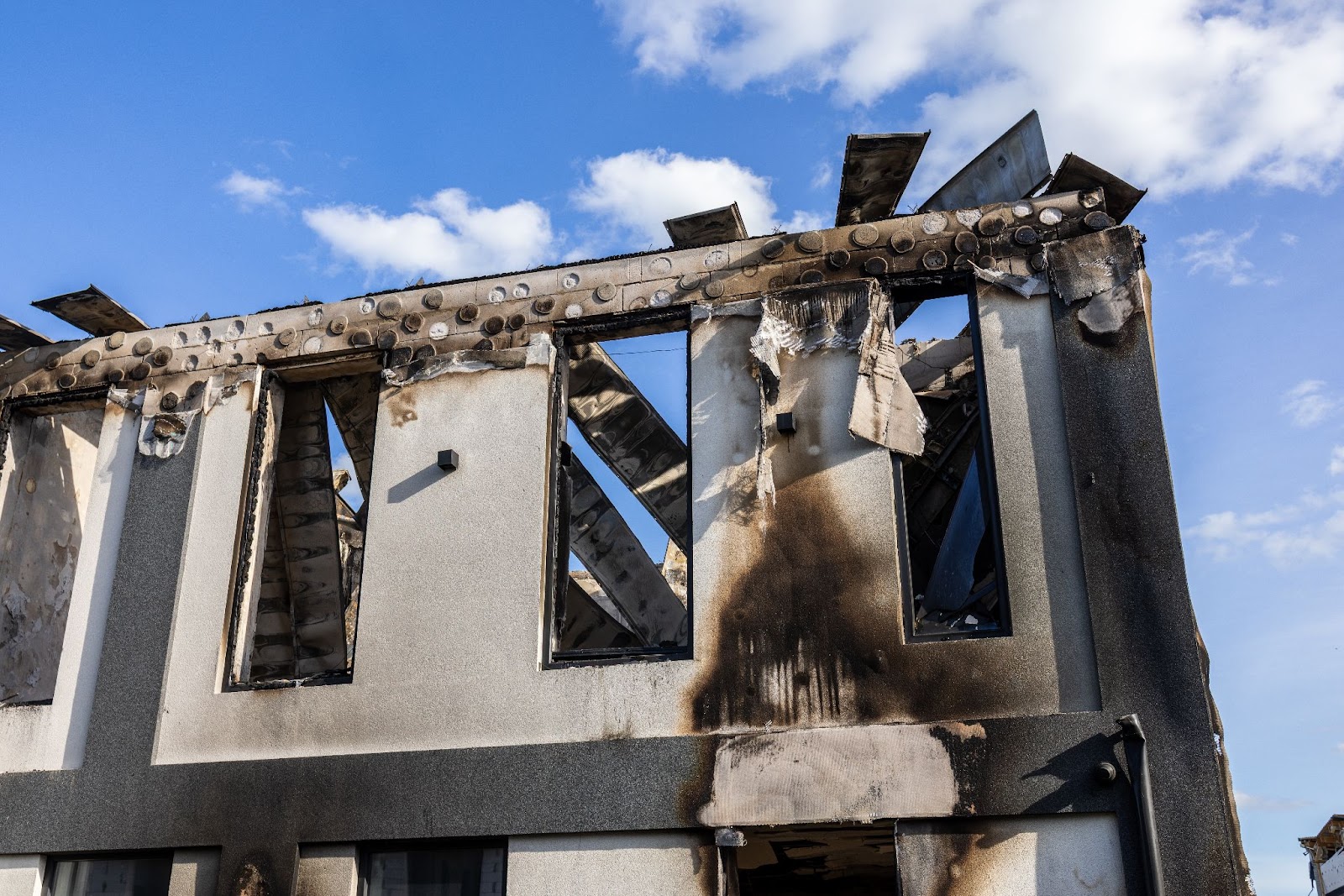
In each case, the visible damage doesn’t always reflect the full impact. Smoke, soot, and water expand the scope even when one room appears to be the main problem.
Why fast response matters
A quick response helps protect your home, improves safety, and often reduces the overall repair scope. Smoke residue and moisture don’t stay “stable” after a fire — they keep spreading and causing damage until you address them. Key benefits include:
- Acting quickly gives soot less time to stain and etch surfaces like walls, countertops, fixtures, and metals, which makes cleanup easier.
- A better chance of salvaging contents and finishes such as cabinetry, upholstery, clothing, and electronics before odors and residues set in.
- Lower mold risk by suppressing water and starting drying and dehumidification early, especially in drywall, insulation, and flooring systems.
- Stronger documentation for insurance conversations because photos, notes, and inventories capture the true scope before cleanup, deterioration, or disposal changes the evidence.
- A faster transition into repairs prevents stop-and-start delays that slow down contractors and material ordering.
When you act quickly, you also support a smoother fire damage restoration timeline by reducing secondary deterioration and keeping the project scope more predictable.
Common mistakes to avoid
Avoid these common issues that slow recovery, increase costs, or make damage worse:
Entering before clearance and disturbing damaged areas
Entering too soon exposes you to unstable structures, sharp debris, and hidden electrical hazards. It also disrupts evidence and documentation that support insurance claims.
Turning on HVAC systems too soon
Running the HVAC pulls soot and odors into the ductwork, spreading contaminants throughout the home and expanding the cleaning scope, making odor removal harder.
Dry-wiping soot or using the wrong chemicals
Dry wiping often smears soot and pushes it deeper into porous materials. The wrong chemicals stain finishes, create fumes, or make residue harder to remove.
Throwing away items before documenting them
Discarding items too early complicates insurance claims and reduces proof of loss. Photograph and list damaged items first, even if they seem unsalvageable.
Delaying water removal and dehumidification
Water from suppression efforts soaks into drywall, insulation, and flooring systems. Delayed drying increases odor absorption and raises the risk of microbial growth.
Hiring contractors without restoration experience
Fire losses require specialized cleaning, containment, and odor control. Contractors without restoration experience may miss hidden damage or take shortcuts that create repeat problems.
Skipping containment and spreading residue
Without containment, demolition and cleaning spread soot into clean areas. Containment helps limit cross-contamination and keeps the project scope under control.
A careful approach early on helps protect your home, keeps the scope realistic, and supports a smoother recovery from start to finish.
Data and research insights
- Smoke, soot, and ash irritate the respiratory system, especially for children, older adults, and people with asthma or other lung conditions.
- Water from suppression efforts leaves materials wet, and faster drying reduces the chance of mold growth and material breakdown.
- Fire recovery resources from national safety organizations emphasize documentation, safety clearance, and the use of qualified professionals for cleanup and recovery.
These points reinforce why recovery should focus on safety and thorough cleaning, not quick cosmetic fixes.
Tools and products professionals use
Restoration teams use specialized equipment and methods, such as:
- HEPA air scrubbers and filtration
- Containment barriers and negative air setups
- Moisture meters and thermal imaging
- Industrial dehumidifiers and air movers
- Soot sponges and residue-specific cleaners
- PPE such as respirators, gloves, and protective suits
- Odor control tools used appropriately and safely
This equipment delivers safer results than most DIY approaches.
FAQ
How long does fire damage restoration take?
Timelines vary by severity. A small, contained incident may take days to a couple of weeks, while larger losses take several weeks or longer. The biggest drivers are soot spread, water saturation, and the extent of rebuilding required.
Can I stay in my home during fire damage cleanup?
Sometimes, but it depends on air quality, safety concerns, and work zone size. If multiple rooms are affected or drying and demolition are extensive, temporary relocation may be safer. A restoration team advises after inspection.
What should I do before the restoration team arrives?
If you have clearance, document damage with photos and video, and avoid disturbing soot-covered areas. Keep receipts for emergency expenses, and wait to run HVAC systems until a professional inspects them. Prioritize safety over cleanup.
Will insurance cover fire damage restoration?
Coverage depends on the policy and cause of loss. Most policies cover many fire-related losses, but deductibles and limits apply. Strong documentation, photos, and an itemized scope support a smoother claims process.
How do professionals remove smoke odor after fire damage?
They remove odor sources first, then clean affected surfaces and use filtration and deodorization methods suited to the situation. Treating the source is more effective than masking odors with fragrances.
Restore your home with Total Flood and Fire Restoration
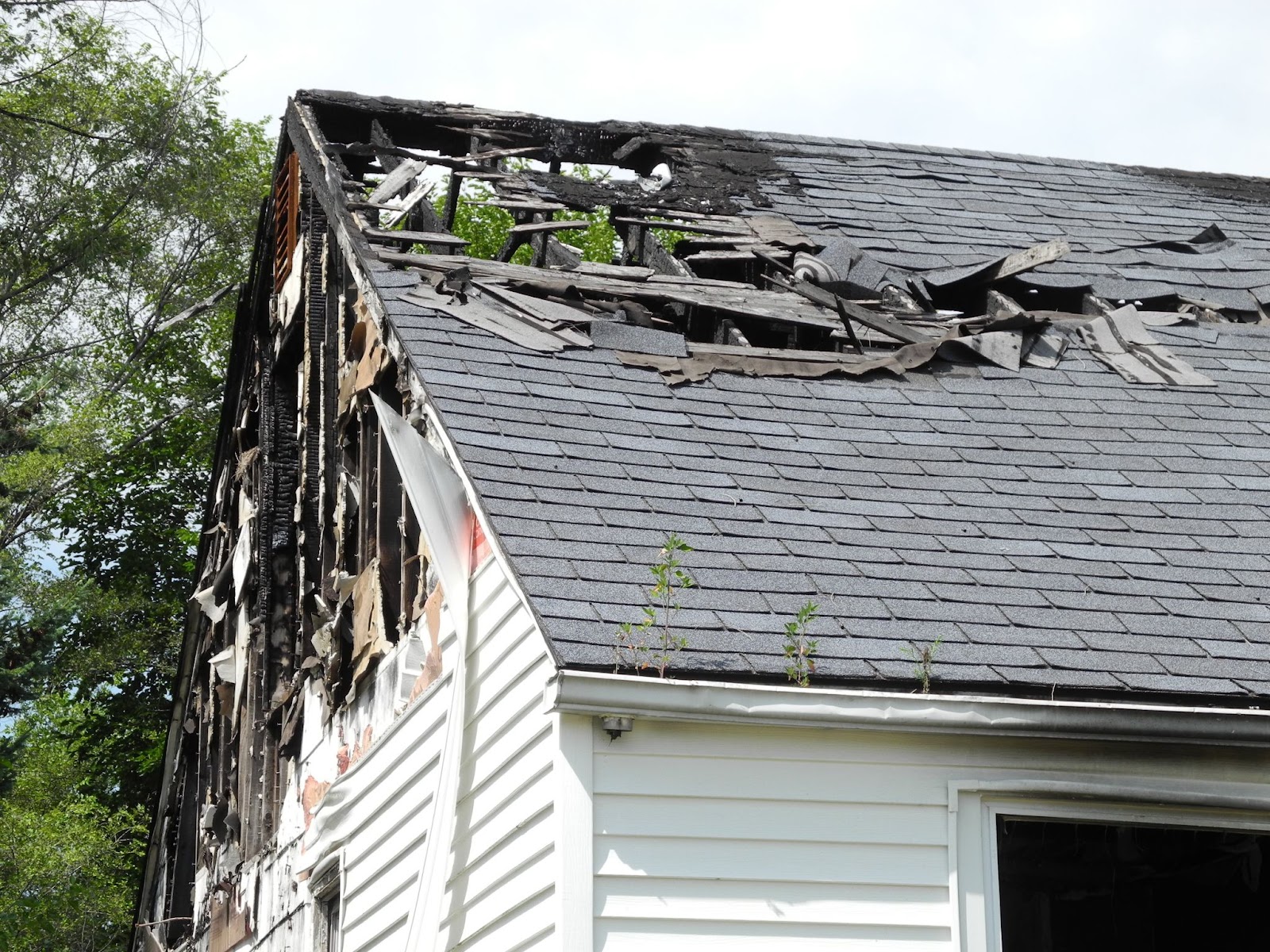
Fire recovery requires more than cleaning what you see. Smoke, soot, and water impacts spread, and delays often increase the scope of repairs.
If your home has been damaged in a fire, contact Total Flood and Fire Restoration for professional fire damage cleanup and complete fire damage restoration. Our team is available 24/7 to help you secure the property, document the loss, and restore your home safely.