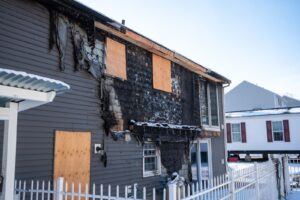
Utah water damage restoration is the professional process of inspecting the damage, extracting water, drying the structure, cleaning and sanitizing affected areas, and repairing materials to restore your home safely. Fast water damage cleanup reduces the risk of mold and structural deterioration. The cost of water damage restoration depends on the type of water, the affected materials, and how far the moisture has spread.
Why fast action matters in Utah homes
Water damage escalates quickly in Utah, especially in homes with basements and during freeze-thaw seasons. What starts as a small leak spreads into drywall, flooring, and insulation before you see obvious signs. The best way to limit damage is quick water damage cleanup, followed by a clear restoration plan.
In this guide, you’ll learn what water damage restoration includes, the step-by-step process, what affects pricing, and how to avoid insurance delays. You’ll also get practical examples and a simple checklist for what to do first.
What water damage restoration is
Water damage restoration is the complete process of bringing a wet, damaged space back to a safe, usable condition. It starts with mitigation, which focuses on preventing further damage, and ends with repairs that restore the area to its pre-loss condition.
This process often includes:
- Identifying the source of the water and stopping it when possible
- Determining how far moisture has spread into materials and cavities
- Extracting water and drying the structure
- Cleaning and sanitizing affected areas
- Repairing or replacing damaged materials
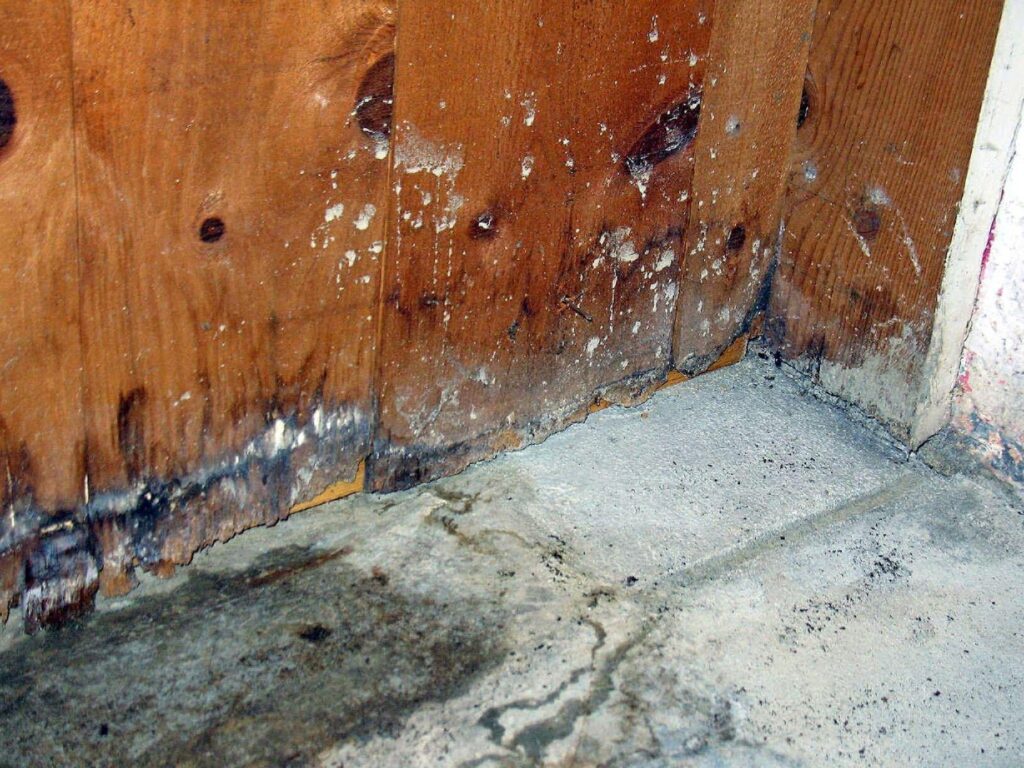
One important detail to keep in mind is that water doesn’t always stay where you see it. It travels under flooring, wicks into drywall, and saturates insulation behind walls. That’s why professional moisture detection matters and why early water damage cleanup prevents more extensive demolition later.
The sooner you dry affected materials and confirm moisture levels, the more you reduce secondary damage and long-term costs.
Water damage cleanup and restoration process
1. Safety and immediate actions
Start with safety. Avoid standing water near outlets or appliances. Keep children and pets out of affected areas. If you can safely shut off the water source, do so. If water may have affected electrical systems, skip DIY checks and contact a professional.
2. Inspection and moisture mapping
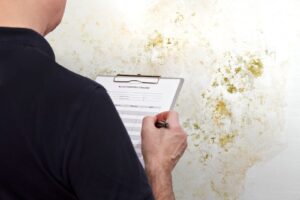
A qualified team will inspect the affected area, determine the type of water involved, and map the spread of moisture. They often use moisture meters and thermal imaging to detect moisture behind walls and under flooring. This step sets the scope for water damage restoration and prevents surprises during repairs.
3. Water extraction
Next comes water removal. Pumps and extraction tools remove standing water, and specialized equipment pulls moisture from carpet, padding, and flooring systems. Fast extraction is a core part of water damage cleanup because it reduces material saturation and shortens drying time.
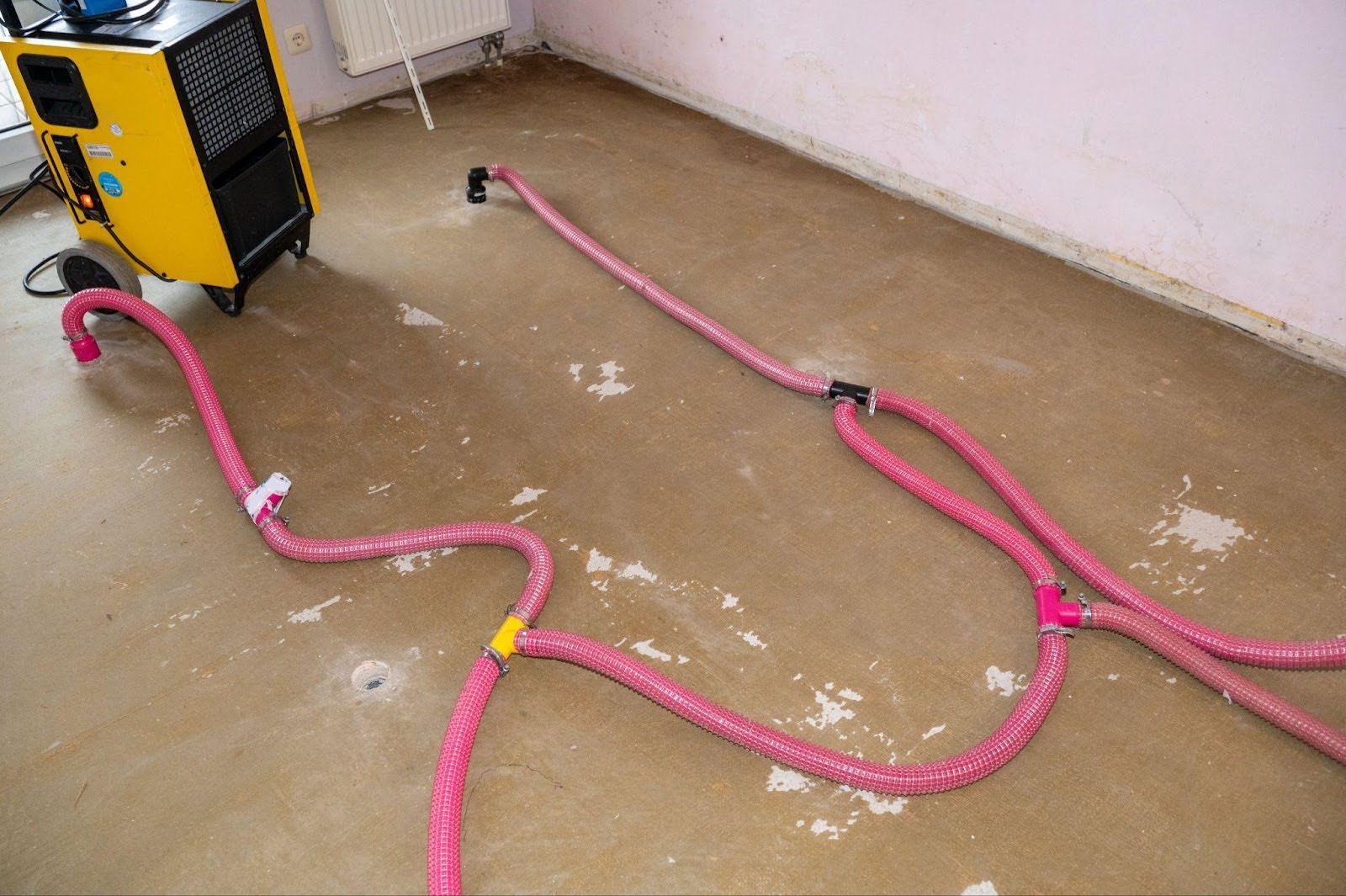
4. Drying and dehumidification
After extraction, the team uses air movers and dehumidifiers to dry the structure. They monitor moisture levels daily or as needed and adjust equipment placement to reach target drying goals. Proper drying helps prevent odors, material swelling, and microbial growth.
5. Cleaning and sanitizing
Once drying is underway, professionals clean and sanitize surfaces and contents as needed. Depending on the source of water, they may apply antimicrobial treatments. If water affected furniture, clothing, or stored items, contents cleaning may become part of the plan.
6. Restoration and repairs
Finally, repairs restore the space to its pre-loss condition. This may include replacing drywall and insulation, reinstalling flooring, repairing trim, repainting, and rebuilding damaged sections.
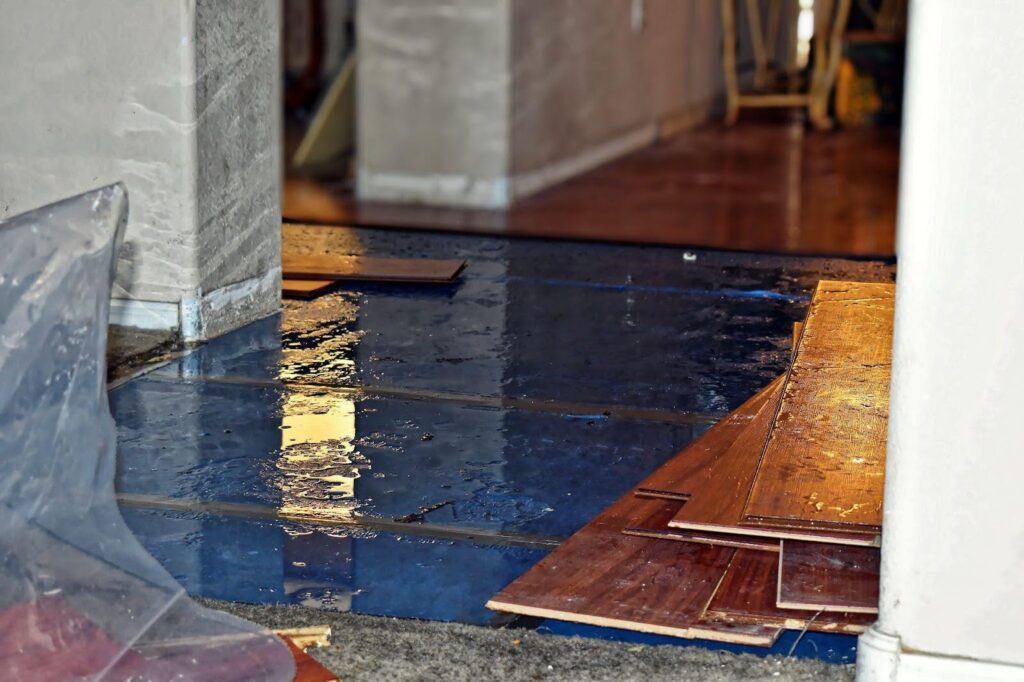
Common Utah water damage scenarios
Burst pipe in winter
Freeze-thaw cycles can burst pipes in exterior walls, crawl spaces, or unheated areas. Water spreads quickly and soaks into drywall and insulation, so quick-drying and moisture checks help limit demolition.
Basement seepage during storms or spring runoff
Water enters through window wells, foundation cracks, or overwhelmed drainage. If it spreads into carpet, drywall, or stored items, you may need more than a simple dry-out, which often leads to water damage restoration in Utah.
Appliance leak under cabinetry
Dishwashers, fridges, and washing machines leak slowly for weeks. Many people notice only warped floors or musty odors, and moisture spread under cabinets into the subfloor.
Why fast response matters
A fast response keeps damage smaller and the process easier to manage.
- Mold begins growing quickly if damp materials stay wet
- Faster drying often means less demolition
- Better documentation supports insurance conversations
- Reduced odor absorption in porous materials
- Lower overall disruption to the home
Quick water damage cleanup often makes the difference between a manageable repair and a major rebuild.
Common mistakes to avoid
- Waiting for visible stains or odors before acting
- Running fans without moisture checks or source control
- Ignoring water under the flooring or behind the baseboards
- Using bleach on porous materials like drywall or carpet
- Throwing away items before photographing and listing them
- Turning on the HVAC too early, especially in contaminated events
- Hiring help without verifying credentials and insurance
These mistakes often increase the scope and the cost of water damage restoration, especially when hidden moisture remains and causes secondary damage.
Data and research insights
- Drying water-damaged areas and materials within 24–48 hours reduces the risk of mold growth, which is why early drying matters.
- Moisture control is central to mold prevention; lingering dampness drives recurring issues.
- Contaminated water events require more than drying. Cleaning, sanitizing, and safe material removal protect indoor air quality and long-term safety.
Delays often increase the cost of water damage restoration because moisture spreads farther and affects more materials over time.
Tools and products that help
Helpful homeowner tools
- Flashlight or headlamp for attic and under-sink checks
- Towels, buckets, and plastic sheeting for temporary protection
- Phone camera for documentation
- Basic moisture meter for awareness, not diagnosis
Professional tools
- Extraction units and specialty drying equipment
- Industrial dehumidifiers and air movers
- Moisture meters and thermal imaging
- HEPA filtration and containment when needed
- Approved cleaners and antimicrobial products for sanitation
These tools support thorough water damage cleanup, especially when moisture is hidden or widespread.
FAQ
How fast should I start water damage cleanup?
Start immediately. Fast action limits damage, shortens drying time, and lowers mold risk.
What affects the cost of water damage restoration?
It depends on the water type, how far it spreads, and which materials were affected. Larger areas and porous materials typically raise costs.
Will insurance cover Utah water damage restoration?
It depends on your policy and the cause of loss. Sudden events are often covered, while long-term leaks may not be. Photos and quick reporting help.
How do professionals find hidden moisture?
They use moisture meters, thermal imaging, and targeted checks behind walls, under flooring, and in insulation to prevent missed wet areas.
When is water damage considered contaminated?
It’s contaminated when it involves sewage, floodwater, or water contaminated with bacteria. These cases require additional safety measures, deeper cleaning, and, in some cases, material removal.
Get expert Utah water damage restoration from Total Flood and Fire Restoration
Water damage spreads quickly, but early action protects your home and keeps repairs manageable. Document the damage, stop the source when safe, and start drying as soon as possible.
If you need professional Utah water damage restoration, we can help with inspection, drying, repairs, and complete water damage cleanup. Contact Total Flood and Fire Restoration to get an accurate plan and understand the cost of water damage restoration for your specific situation.