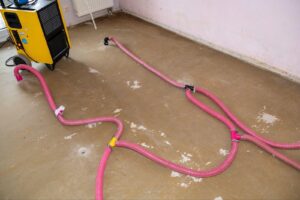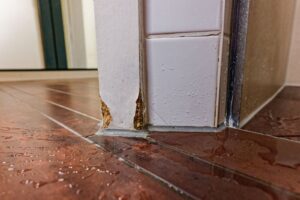
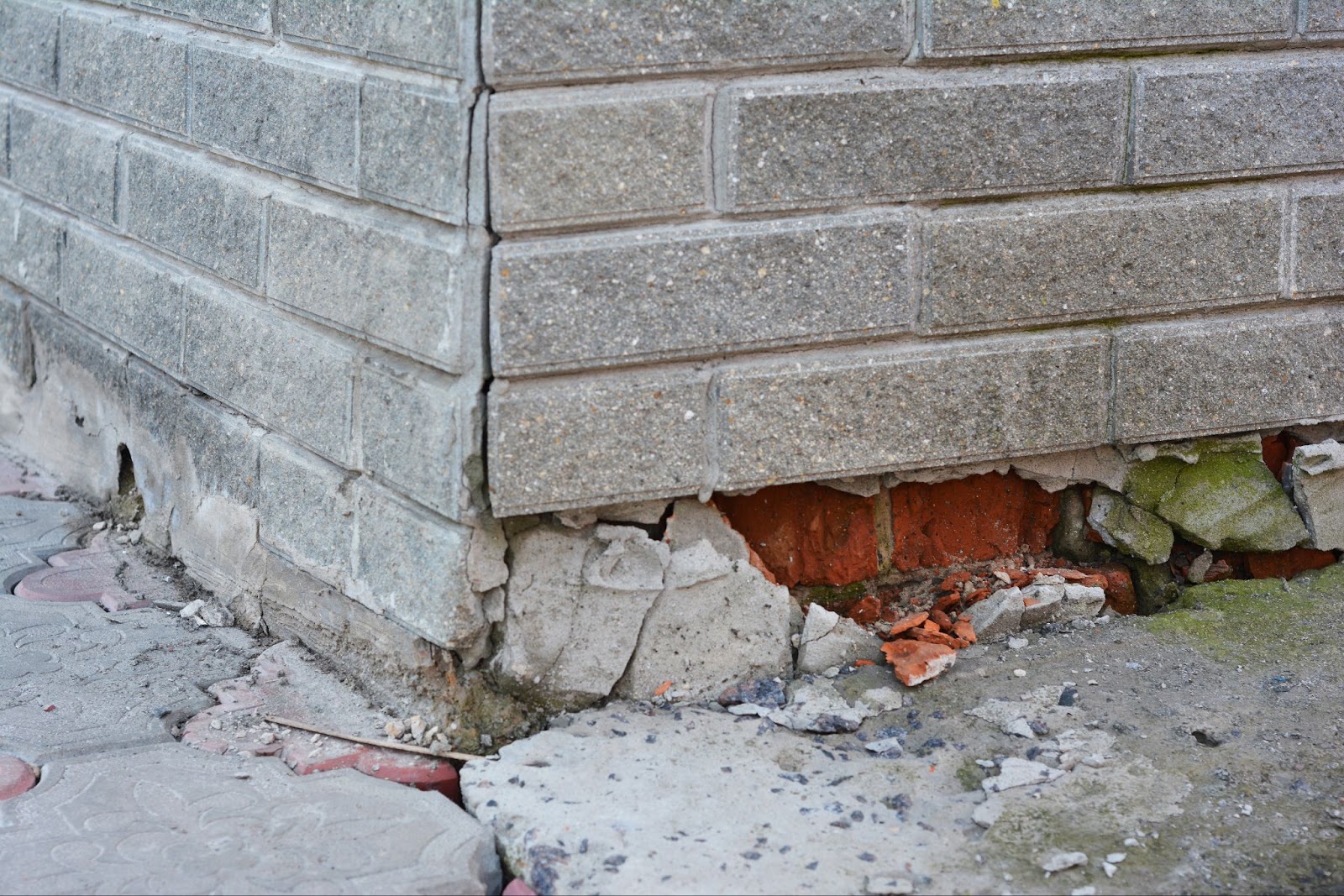
Water weakens soil around your home, increases pressure against foundation walls, and seeps through cracks and joints. Over time, this causes foundation damage, such as shifting, settling, and cracking. Fast water damage restoration helps limit moisture intrusion, while timely foundation repairs address structural issues before they worsen and become more expensive.
Why foundation problems often start with water
A damp basement wall or puddling near your home may seem like a minor annoyance, but moisture issues often signal a bigger risk below the surface. Water erodes soil, creates pressure against foundation walls, and forces its way through small cracks that grow over time. If you ignore it, you’ll end up with uneven floors, sticking doors, and costly structural movement.
In this guide, you’ll learn how water affects foundation systems, what signs to watch for, what to do first after a leak or flood, and when water damage restoration and foundation repairs protect your home long term.
How water interacts with foundations
Your foundation includes concrete walls or a slab, load-bearing footings, and drainage systems meant to move water away. Problems start when water collects against the foundation and finds a path inside.
Water typically enters through small cracks, wall-to-floor joints, window wells, basement entries, or porous concrete. As water builds up in the surrounding soil, it creates pressure that pushes against foundation walls, widens cracks, and forces moisture through weak points.
Water also changes the soil supporting your home by washing it out or causing it to expand and contract during wet-dry cycles. You may need water damage restoration to dry the interior, but long-term stability depends on stopping repeat moisture intrusion.
What to do when you suspect foundation moisture
1. Gather information
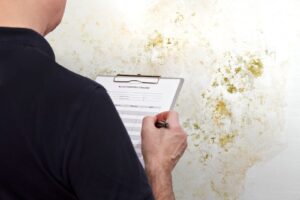
Take photos of cracks, damp spots or staining, peeling paint, pooling water, and any wet window wells or basement corners. Note dates and whether it follows storms, snowmelt, or plumbing leaks.
2. Control the water source
Fix plumbing leaks, clean gutters, extend downspouts, and slope soil away from the home. These steps often reduce the conditions that lead to repeated intrusion and foundation damage.
3. Dry affected areas quickly
Remove wet items, run a dehumidifier, and improve airflow. If moisture spreads across rooms or sits behind walls or flooring, call for water damage restoration.
4. Identify cosmetic vs. structural cracks
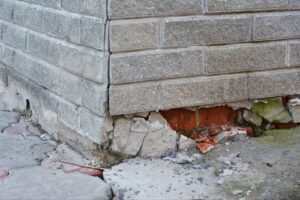
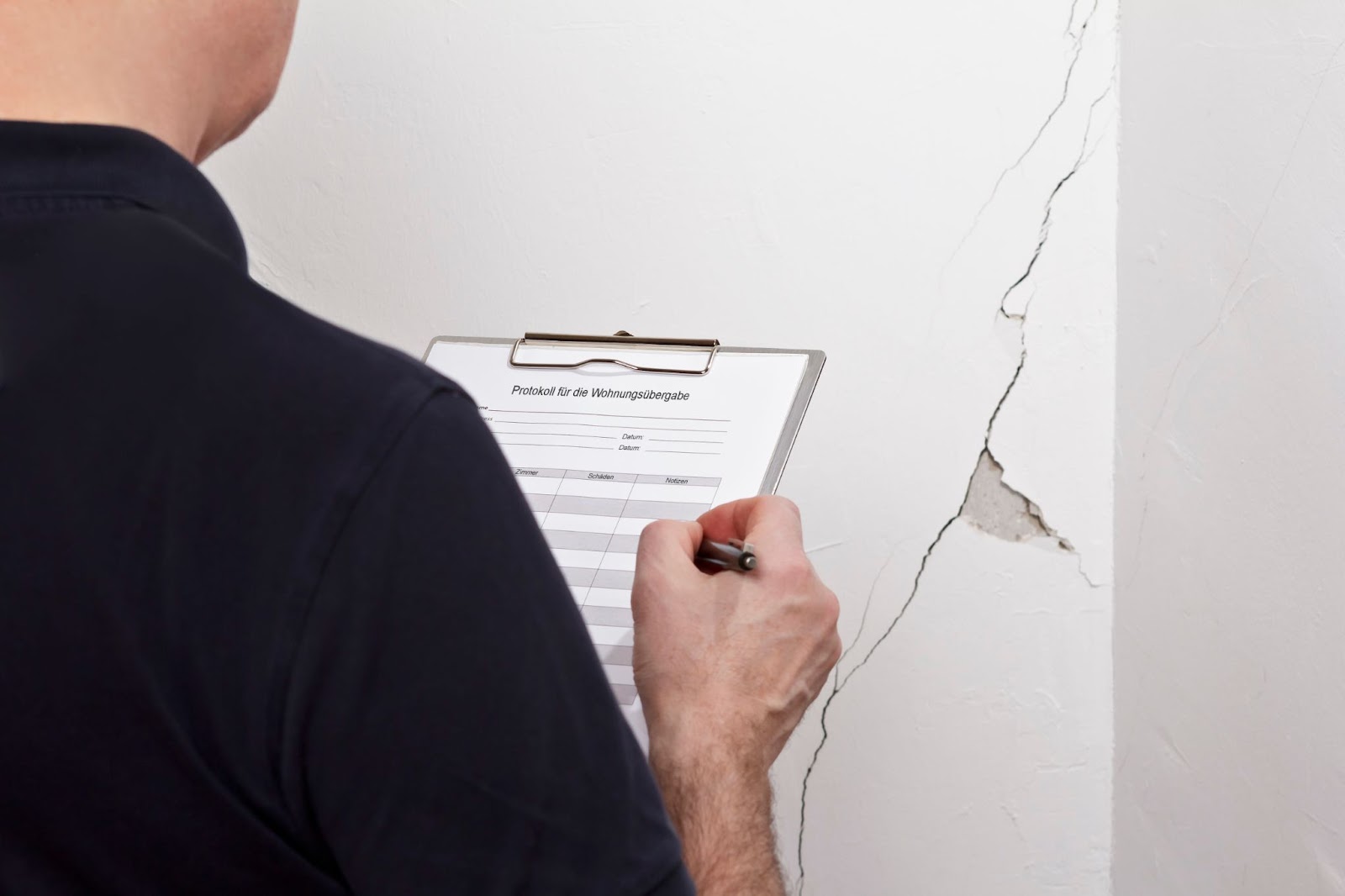
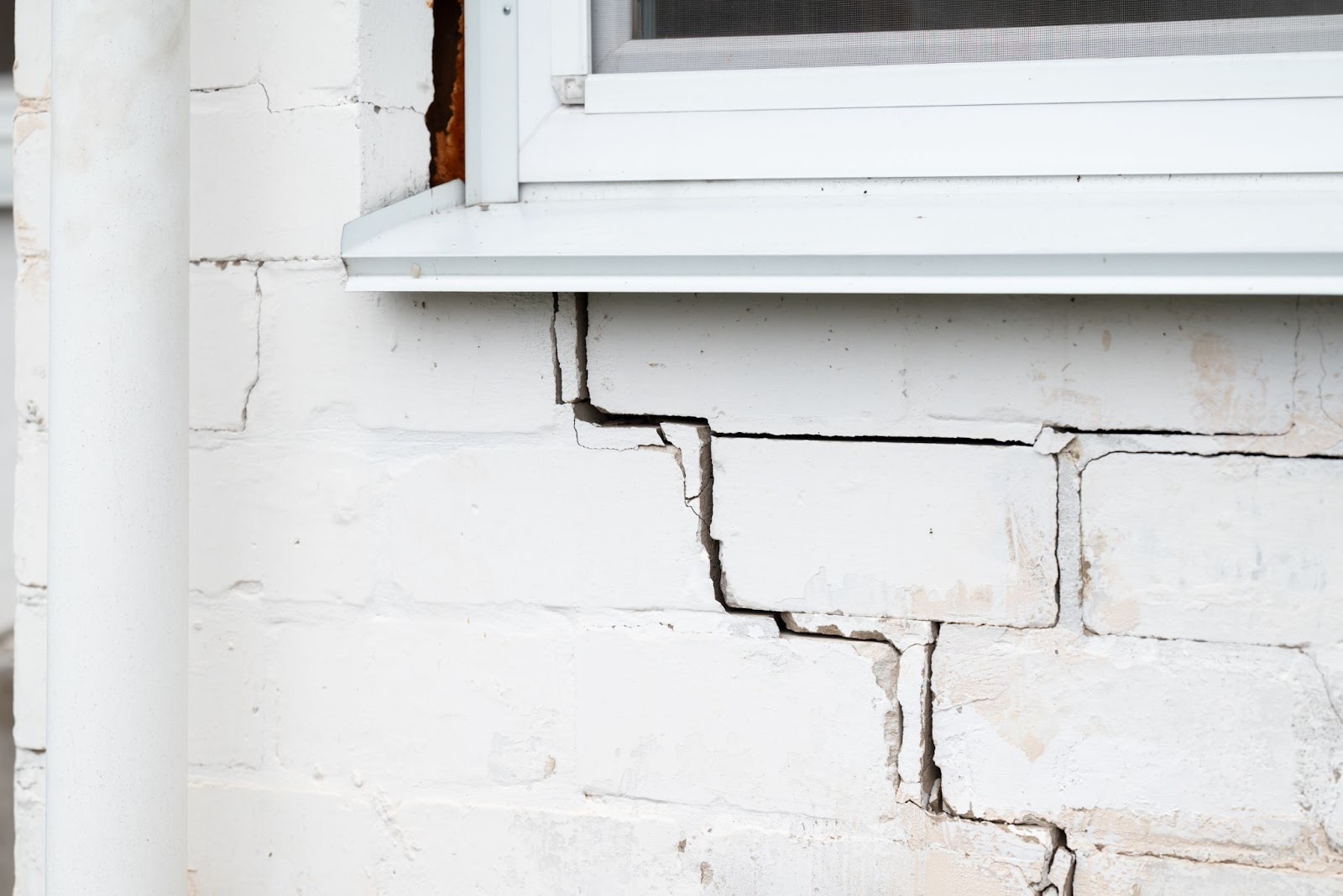
Watch for horizontal or stair-step cracks, widening gaps, sticking doors/windows, or uneven floors. These signs often point to the need for foundation repairs.
5. Prevent repeat intrusion
Use window well covers, maintain sump pumps, consider targeted waterproofing, and monitor basement humidity.
Common foundation problems caused by water
Basement wall cracks after heavy rain
Heavy rain saturates soil and increases pressure against foundation walls. Water pushes through weak points, and cracks widen over time. Many homes need better drainage plus foundation repairs to reduce repeat intrusion.
Settling from soil erosion
When water washes out supporting soil, the foundation may settle unevenly. You might notice uneven floors, growing cracks, or gaps near trim. Water damage restoration addresses interior moisture, but stabilization may also be necessary.
Water pooling near a slab edge
Pooling water keeps the soil saturated, contributing to slab-edge cracking and movement. Drainage fixes and downspout adjustments often help, and a professional can confirm whether you need foundation repairs.
In all cases, moisture control and timely action help prevent minor issues from becoming major foundation damage.
Why early action matters
Addressing moisture early protects your home and reduces long-term costs.
- Prevents small cracks from widening
- Reduces long-term structural movement
- Limits dampness that contributes to odors and mold risk
- Lowers the likelihood of extensive foundation repairs later
- Supports resale confidence with clear documentation and timely repairs
When you act quickly, you also make water damage restoration simpler because moisture spreads less and dries faster.
Common mistakes to avoid
- Sealing cracks without fixing drainage issues
- Ignoring the window well overflow after storms
- Using landscaping that traps water near the foundation
- Waiting for major cracks before acting
- Overlooking repeated dampness in basements and crawlspaces
- Skipping professional evaluation after recurring water intrusion
These mistakes often allow foundation damage to worsen quietly until repairs become more invasive.
Data and research insights
- Water-damaged materials should be dried quickly to reduce mold risk, which is why early drying and dehumidification are important after an intrusion.
- Moisture control is central to preventing indoor mold and long-term dampness problems in basement environments.
- Drainage and grading improvements help reduce moisture buildup near foundations and lower the pressure that drives leaks and cracking.
These fundamentals explain why water damage restoration focuses on drying and verification.
Tools and products that help
These homeowner-friendly tools reduce risk and support early detection:
- Downspout extensions to push water away from the home
- Gutter maintenance tools to prevent overflow
- Sump pump and battery backup (if your home has a sump system)
- Dehumidifier and hygrometer for basement moisture control
- Window well covers for improved protection
- Moisture meter for basic monitoring
- Crack monitoring gauge to track crack changes over time
If you continue to see moisture or cracks change, a professional assessment becomes the safest next step.
FAQ
What are the first signs of foundation damage from water?
Look for basement dampness, water staining, musty odors, widening cracks, uneven floors, and doors or windows that stick. Exterior signs include pooling near the foundation and soil erosion near downspouts.
Can water damage cause foundation cracks?
Yes. Water increases pressure against foundation walls and weakens supporting soil. Over time, this led to cracking, movement, and settlement. Proper drainage and early intervention help reduce the risk.
Does water damage restoration fix foundation problems?
Water damage restoration focuses on removing water, drying the structure, and preventing secondary damage. It does not replace structural stabilization. If cracks or movement are present, you may also need foundation repairs.
When do I need foundation repairs versus drainage fixes?
Start with drainage fixes when water pools near the home or gutters overflow. If cracks widen, become horizontal, or cause sticking doors and uneven floors, contact a professional to evaluate foundation repairs.
How can I prevent water from pooling near my foundation?
Keep gutters clean, extend downspouts, slope soil away from the home, and watch window wells after storms. If you have recurring basement moisture, consider installing a sump system or improving drainage.
Will insurance cover foundation repairs?
Coverage depends on your policy and the cause. Sudden, accidental water events may be covered, while long-term seepage or settlement may not. Documentation and prompt reporting help clarify coverage.
How Utah weather affects foundation moisture
Utah’s freeze-thaw cycles widen small cracks over time, and spring runoff increases basement seepage, especially in homes with older drainage systems. Many areas also experience big seasonal moisture swings that stress the soil around foundations. A fall drainage check and spring inspection help catch early foundation damage before the next weather cycle worsens it.
Protect your foundation with Total Flood and Fire Restoration
Water impacts foundations through pressure, soil movement, and slow intrusion that worsens over time. The best defense is early drainage control, fast drying, and professional evaluation when cracks or movement appear. If you need water damage restoration after a leak, flood, or basement intrusion, contact Total Flood and Fire Restoration. We help stabilize moisture issues quickly and coordinate next steps when foundation repairs become necessary.