Finding mold in your rental can be unsettling. Mold can often go unnoticed, as it frequently grows in corners, behind walls, or beneath floors. Renters rarely anticipate dealing with mold, and when it appears, it can raise serious concerns about health, property damage, and the safety of the home. Understanding what to do next will determine how quickly and effectively the issue is solved. Today, we’ll walk through what steps you should take if you find mold, how to work with property managers or landlords, and why mold inspection and mold remediation are essential for keeping your home safe.
Understanding the risks of mold exposure
Mold thrives in damp, dark environments. Whether a hidden water leak, high humidity, or poor ventilation causes it, mold spreads quickly once it takes hold. Some molds grow within 24 to 48 hours of moisture exposure, making early detection important. Mold exposure can cause a range of health issues, including allergies, headaches, congestion, coughing, and worsened asthma. For individuals with compromised immune systems, mold exposure can be severe. Beyond health risks, mold causes damage to walls, floors, insulation, and personal belongings. Once mold begins to spread, only professional mold remediation can fully address the problem. Mold damage restoration becomes necessary when structural materials or personal items have been affected, and returning the home to a safe condition requires careful cleaning and repair.
Signs to look for
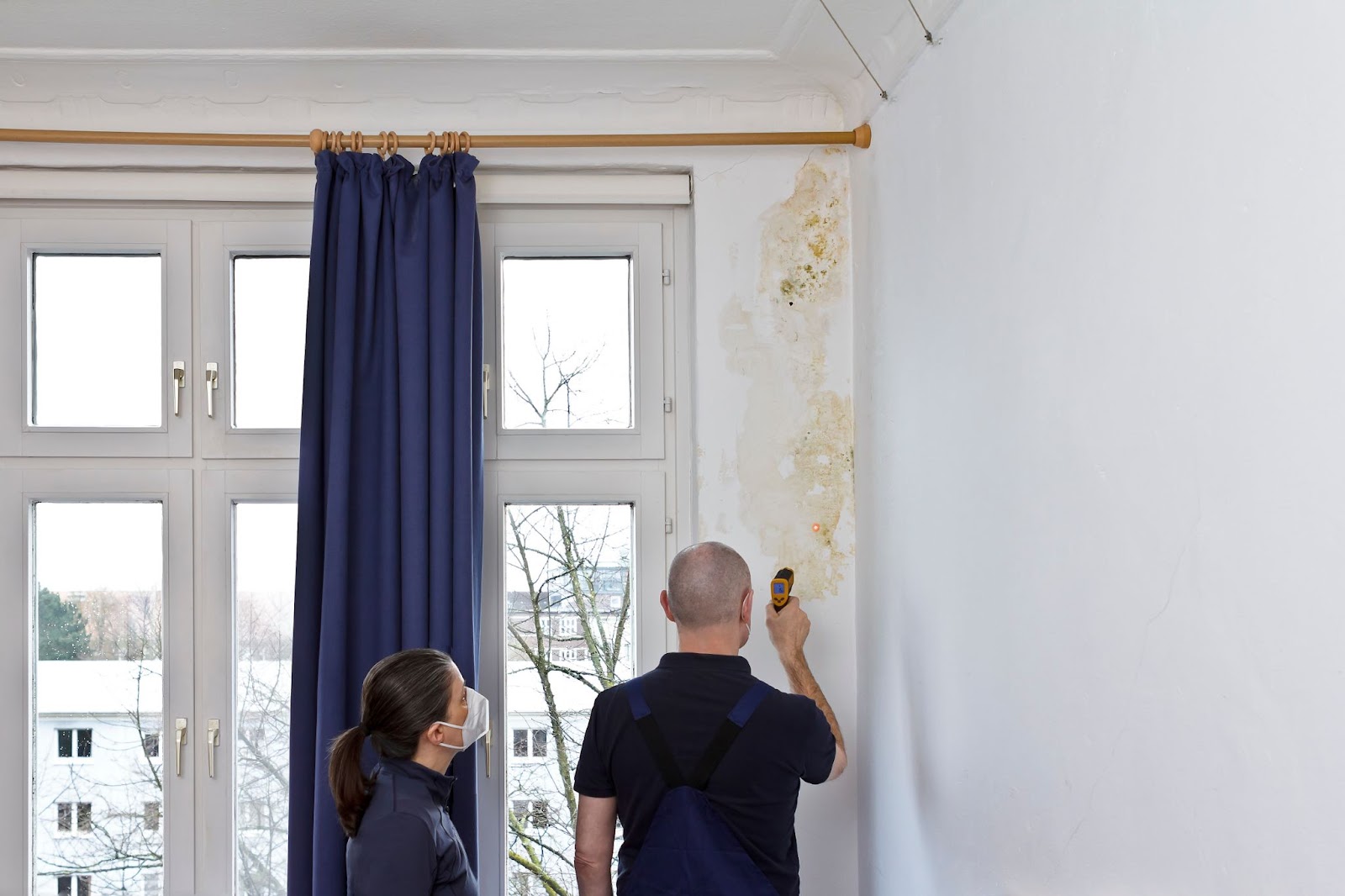
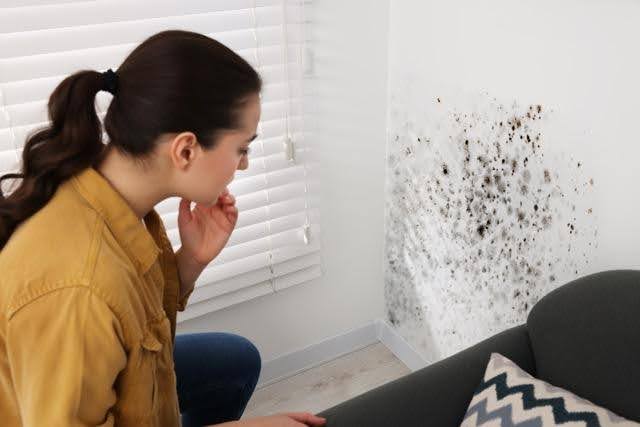
Mold can be hard to notice if you don’t know what to look for. Here are the hidden and visible signs you should look out for when checking for mold. Visible indicators include:
- Black, green, white, or brown spots
- Fuzzy or slimy growth on walls or ceilings
- Discoloration or stains that expand over time
Hidden indicators include:
- A persistent musty odor
- Peeling paint
- Warped walls or bubbling drywall
- Unexpected moisture around windows, sinks, or appliances
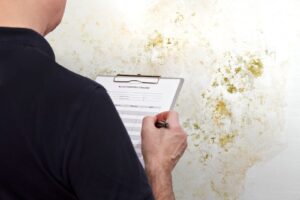
If you notice these signs, request a professional mold inspection from your landlord or property manager. An inspection can identify the source of the moisture, determine the extent of contamination, and prevent the issue from spreading further.
What to do immediately after discovering mold
Document everything thoroughly
Before touching or disturbing anything, document what you see. Take photos and videos, write down the date and time, and note any odors or moisture sources. Documentation protects you in the event of a dispute with your landlord and provides valuable information for professionals performing mold remediation.
Avoid disturbing the mold
Do not wipe, scrub, or spray chemicals on the mold. Disturbing mold can release spores into the air, spreading the contamination to other areas of the home. Even household cleaners may worsen the problem by dispersing spores or covering symptoms without addressing the underlying moisture.
Report the mold to your landlord right away
Notify your landlord or property manager as soon as possible. Provide your documentation and request an official mold inspection. Many states require landlords to respond promptly to concerns related to mold, especially when structural issues or leaks are present. Your communication should be clear and detailed. Landlords cannot address the issue unless they understand the severity, and reporting early protects you from potential liability later.
Understanding landlord vs. renter responsibilities
What landlords are responsible for
In most cases, landlords are responsible for addressing structural problems and water-related issues that lead to mold growth. These may include roof leaks, plumbing failures, poor ventilation systems, and previous water damage. If the problem results from building-related moisture, landlords must arrange mold remediation or mold damage restoration to protect the tenant’s health and ensure the unit meets habitability standards.
What renters are responsible for
Renters also play a role in preventing mold issues. Responsibilities typically include:
- Ventilating the home properly
- Running bathroom fans during and after showers
- Reporting leaks quickly
- Keeping living areas reasonably clean
- Avoiding activities that create excessive moisture without ventilation
If renters fail to report water issues or create conditions that encourage mold growth, the situation may complicate the remediation process or affect who bears the cost of remediation. Clear, timely communication makes the process smoother for everyone.
What happens during professional mold remediation
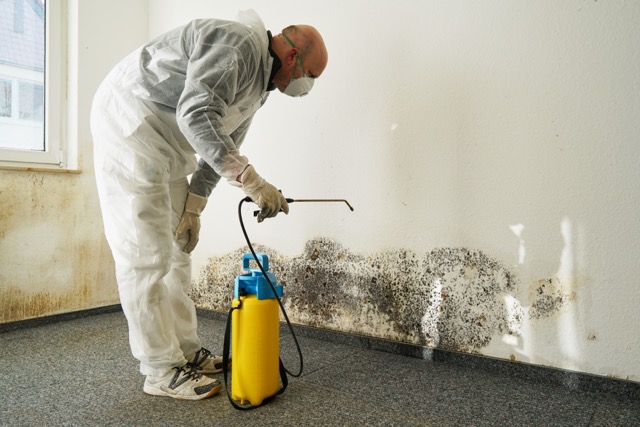
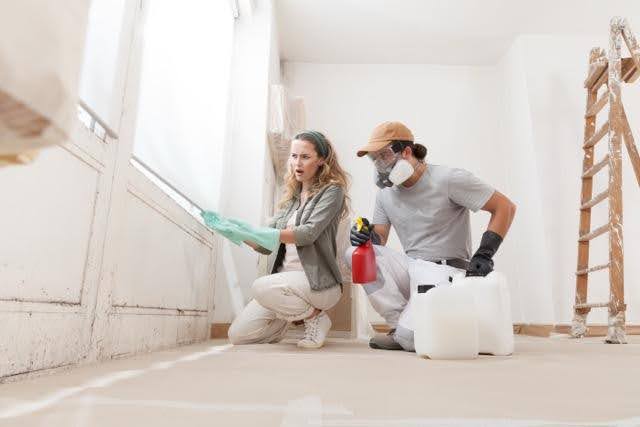
Professional mold remediation follows a structured process designed to safely remove mold and prevent its recurrence.
The containment process
Experts start by containing the affected area with plastic barriers and negative air pressure machines. Containment prevents spores from spreading to clean areas of the home.
Removal of affected materials
In many cases, remediation requires removing materials like drywall, insulation, carpet, or baseboards. Mold often grows into these porous surfaces, making complete removal necessary. Mold damage restoration then repairs or replaces these materials to restore the home to its original condition.
Air filtration and cleaning
Restoration teams use HEPA air scrubbers and filtration systems to capture airborne spores and sanitize the environment. They clean surfaces thoroughly with antimicrobial solutions to ensure the mold cannot reestablish itself.
Final mold inspection and clearance
Once the remediation process is complete, a final inspection confirms that the area is safe again. Clearance testing ensures that indoor air quality returns to healthy levels and that any contamination is cleared.
Protecting belongings during mold contamination
Soft items such as clothing, bedding, and upholstery can absorb mold spores. You can clean some items using hot water or professional textile cleaning services, while others may need to be discarded if the contamination is severe. During mold damage restoration, experts can help determine which items are salvageable. Acting early increases the likelihood of saving more of your belongings.
Preventing mold from returning
Improve airflow and reduce humidity
Use fans and open windows when the weather permits, and avoid blocking air vents to keep the air circulating. Mold thrives in stagnant environments.
Monitor for leaks and moisture
Check common problem areas regularly, including under sinks, around windows, and behind appliances. If moisture reappears, request another mold inspection promptly.
Keep communication open with the landlord
Report water issues immediately. Quick action creates a safer living environment and reduces the likelihood of future extensive mold remediation.
Protect your home with Total Flood and Fire Restoration
If your landlord does not address the mold promptly, or if the contamination spreads, it’s time to call a professional restoration company. Contact Total Flood and Fire Restoration for mold remediation, mold damage restoration, and mold inspection services, offering fast and effective support for renters in need of immediate assistance. Mold can be stressful, but you don’t have to handle it alone. Acting quickly, documenting what you see, and requesting an inspection are the first steps to protecting your home and health. Professional mold remediation ensures the problem is fully resolved and prevents future issues. Let’s get started today.