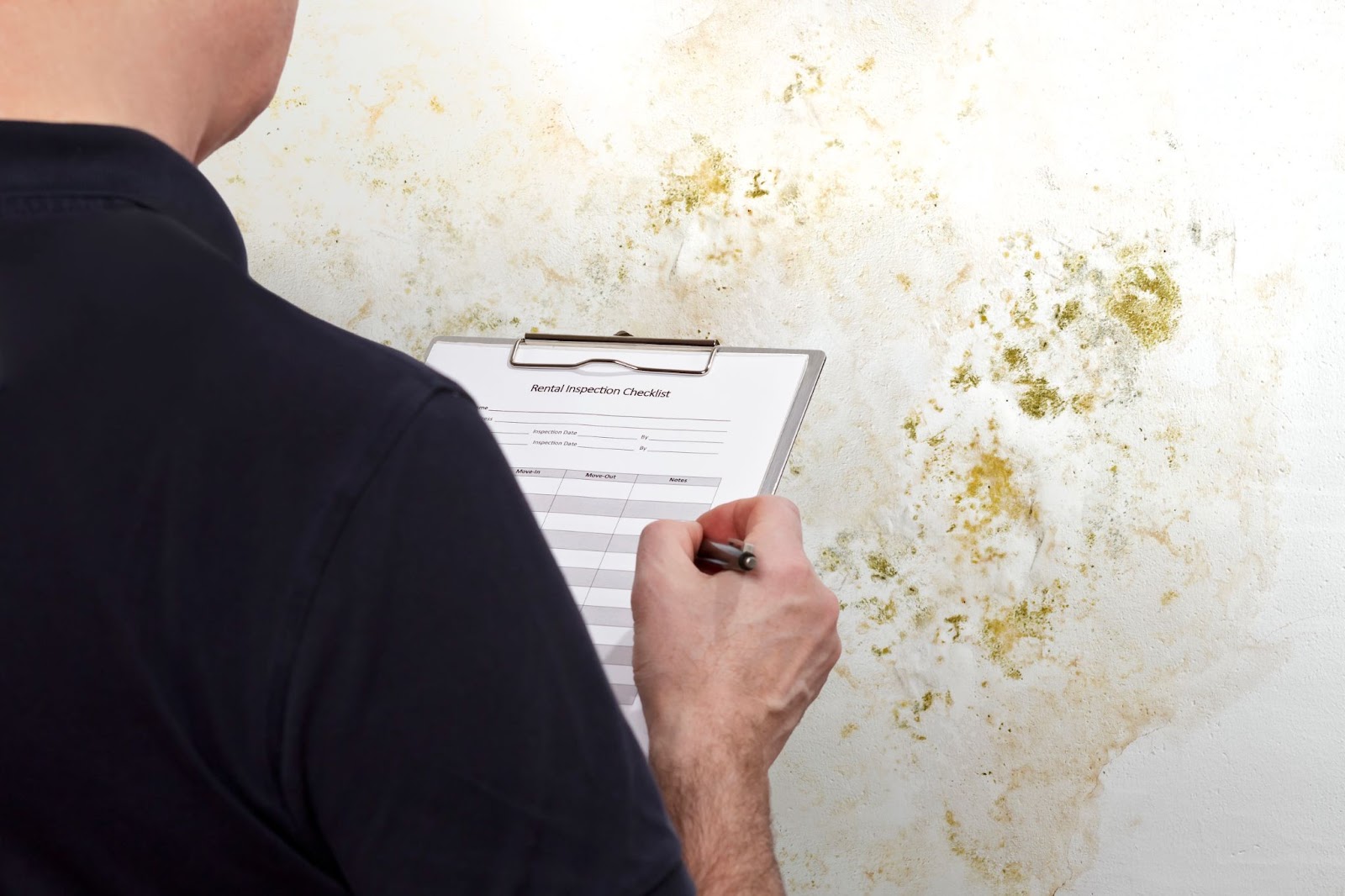
Mold in Utah homes usually starts with hidden moisture from leaks, snowmelt, or poor ventilation. The best approach combines early detection, rapid drying, targeted mold damage repair, and consistent mold prevention habits. When mold spreads into drywall, insulation, or flooring, professional mold damage restoration removes affected materials, improves indoor air quality, and helps prevent recurrence.
Mold rarely appears overnight in Utah homes
Mold problems usually begin with moisture you don’t notice right away. It could be a slow plumbing leak, damp basement corners after runoff, or condensation in a bathroom with weak ventilation. Even in a dry climate, indoor moisture builds up and stays trapped behind walls or under flooring.
This roadmap explains what to do from the first warning signs through long-term prevention. You’ll learn how to spot common sources, when mold damage repair is enough, when you need full damage restoration, and which prevention habits make the biggest difference year-round.
What mold is and why it’s common in Utah homes
Mold is a fungus that spreads through microscopic spores in the air. When spores land on a damp surface and moisture remains, mold grows and spreads into nearby materials. Mold can become a problem even without flooding. A slow leak, condensation, or poor drainage provides enough moisture for growth.
In Utah, mold often starts in these locations:
- Basements and crawlspaces, where humidity builds after storms or runoff
- Bathrooms and laundry rooms with frequent steam and weak ventilation
- Attics where roof leaks, snowmelt, or poor insulation cause condensation
- Behind cabinets and appliances, where slow leaks go unnoticed
A dry outdoor climate does not prevent indoor mold. Moisture still collects and stays trapped in wall cavities, under flooring, or in insulation. The most reliable mold prevention strategy is moisture control.
You can’t prevent mold spores, but you can control moisture, which is why mold prevention starts with drying and ventilation.
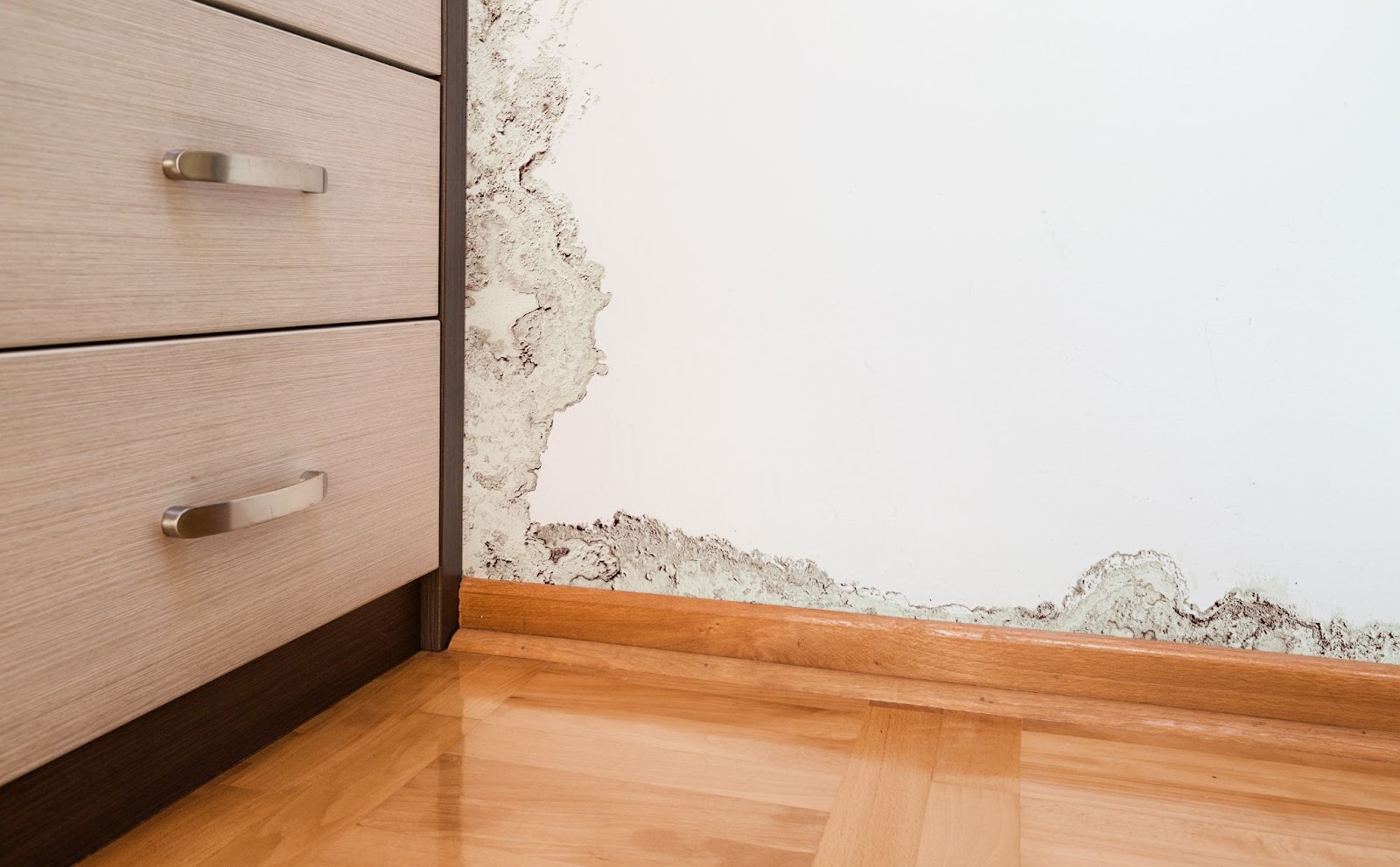
Step-by-step: Mold damage repair and prevention roadmap
1. Identify moisture and stop the source
Before you clean anything, find the moisture source and stop it. Fix leaks, improve ventilation, and address drainage issues. If you skip this step, mold often returns and damages more materials. Effective mold prevention always starts with moisture control.
2. Document and isolate the area
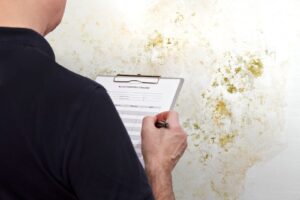
Take photos of visible growth and any water staining. Close doors and limit traffic through the space to avoid disturbing spores. If possible, keep HVAC airflow from pulling air through the affected area.
3. Decide on DIY versus professional help
Small surface spots on nonporous surfaces may be manageable, but you should treat hidden growth differently. If you smell musty odors, see recurring mold, or suspect growth behind walls, you likely need professional evaluation. That’s often the turning point where mold damage repair becomes a structured project rather than a quick wipe-down.
4. Dry thoroughly and monitor moisture
Drying is not optional. Mold thrives in trapped moisture. Use dehumidifiers and improve airflow, and monitor moisture in nearby materials when possible. If moisture remains trapped behind drywall or under flooring, surface drying won’t solve the problem.
5. Perform targeted mold damage repair
When mold affects building materials, repair often means removal and replacement. Teams may remove compromised drywall, insulation, trim, or flooring, then clean and treat surrounding areas. Proper mold damage repair focuses on eliminating affected materials.
6. Know when full mold damage restoration is necessary
Some situations require more than targeted repair. Professional mold damage restoration is often necessary when:
- Mold spreads across multiple rooms
- Growth returns repeatedly
- HVAC pathways may be involved
- The source was significant water intrusion or long-term saturation
- Porous materials throughout the area absorbed moisture
In these cases, teams use containment barriers, negative air setups, and HEPA filtration to reduce cross-contamination. Mold damage restoration also includes deeper removal, safer disposal, and post-work verification steps.
7. Prevent recurrence with a simple maintenance plan
Once repairs are complete, prevention is the goal. Make mold prevention part of your routine with a monthly moisture check, seasonal inspections, and quick action on leaks. A small, consistent plan often prevents repeat damage and protects indoor air quality.
Benefits of addressing mold early
Acting early saves money, reduces disruption, and helps protect your home’s long-term condition. Mold rarely stays contained, so quick action often keeps a small issue from turning into a full rebuild.
Protects indoor air quality and reduces persistent odors
Early cleanup limits the number of spores and the amount of musty odor that soak into drywall, fabrics, and insulation. The longer the mold sits, the harder it becomes to eliminate odors and fully restore comfortable air quality.
Prevents spread into insulation and structural materials
Mold moves beyond the visible surface and into wall cavities, insulation, subflooring, and framing. Addressing it early helps keep the affected area smaller and reduces the chance of hidden damage.
Limits demolition scope and replacement costs
When you act quickly, you often avoid removing large sections of drywall, flooring, or cabinetry. Smaller repair areas typically mean less labor, fewer materials, and shorter project timelines.
Supports long-term property value
Mold history and lingering odors raise concerns during a sale or rental. Prompt repairs and clear documentation show that you handled the issue correctly, which protects buyer confidence and long-term value.
Makes mold prevention more achievable because the problem stays smaller
It’s easier to prevent a repeat problem when you catch the source early. Quick repairs let you focus on moisture control, ventilation, and routine checks instead of managing widespread contamination.
Common mistakes to avoid
Cleaning without fixing the moisture source
Surface cleaning won’t solve the problem if moisture remains. A small leak, poor ventilation, or high humidity keeps feeding growth behind the scenes, which is why mold often returns within days or weeks. Always address the source first, then clean and dry.
Painting over mold
Paint hides stains, but it doesn’t remove mold or fix moisture. Growth continues behind the surface and reappears later, sometimes spreading further into drywall or insulation. Treat the underlying issue before you repaint or patch.
Using bleach on porous materials
Bleach may lighten stains, but it often fails to penetrate porous materials like drywall, wood, and carpet padding where mold roots. It also adds moisture to the material, potentially worsening conditions. Use appropriate cleaning methods and remove porous materials when they’re compromised.
Running fans that spread spores
Fans spread spores into clean areas if you don’t isolate the affected space first. Air movement helps drying, but you need the right setup, especially when mold is present. Containment and filtration matter when growth extends beyond a small, surface-level spot.
Ignoring musty odors and hidden areas
Musty odors often signal hidden growth behind walls, under flooring, inside cabinets, or in insulation. If the smell persists after basic cleaning, assume moisture remains somewhere and investigate the source before the problem expands.
Waiting too long for professional help
When mold spreads, keeps returning, or affects porous materials, DIY efforts often fall short. Delays increase demolition and costs, and they may require full mold damage restoration rather than a smaller repair. Calling early usually keeps the scope more manageable.
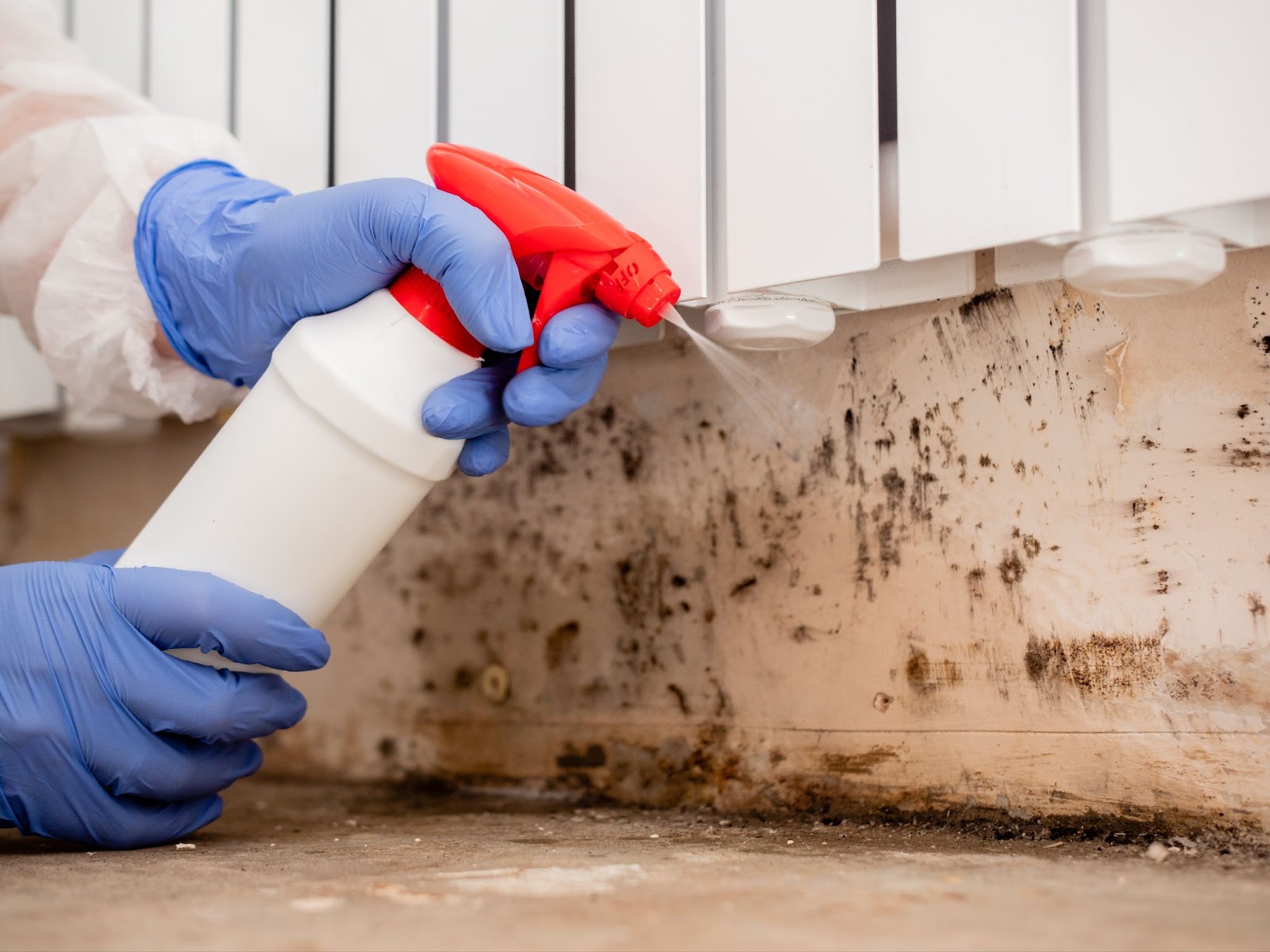
Data and research insights
Mold and moisture guidance from public agencies backs up why early drying and moisture control matter:
Mold starts within 24–48 hours if materials stay wet
The EPA recommends drying water-damaged areas and items within 24–48 hours to help prevent mold growth, and FEMA notes that mold colonies start growing on damp surfaces within that same window.
Moisture control is the foundation of mold prevention
The EPA emphasizes that controlling moisture is key to preventing mold growth indoors, which is why lingering dampness often drives recurring problems.
Dampness and mold are linked to health concerns
CDC/NIOSH notes that indoor dampness and mold are associated with respiratory and other health problems, reinforcing the need to address moisture quickly and thoroughly.
These realities explain why professionals prioritize targeted removal when needed, thorough drying, and containment when conditions warrant it.
Tools and products that support mold prevention
Humidity control
- Hygrometer to track indoor humidity
- Dehumidifier for basements and damp spaces
Ventilation upgrades
- Bathroom fan timer switch
- Kitchen exhaust use during cooking
Moisture detection
- Moisture meter for basic awareness
- Regular checks under sinks and around appliances
Maintenance and sealing
- Caulk for bathrooms and window edges
- Gutter cleaning and downspout extensions
Tools help prevent mold, but they don’t replace professional service when mold spreads into porous materials or hidden areas.
FAQ
What are the first signs of hidden mold?
Musty odors, recurring indoor allergy symptoms, bubbling paint, and warped baseboards signal hidden moisture and mold. Growth often hides behind drywall, under flooring, or inside insulation, especially after leaks or condensation.
When do I need mold damage restoration instead of DIY cleaning?
Choose professional help when mold returns, spreads across porous materials, or appears in multiple rooms. You may also need professional service when the source involves long-term moisture or HVAC concerns.
How long does mold damage repair usually take?
Small jobs may take a day or two, while larger repairs and drying take several days. The timeline depends on how far the moisture spreads and how many materials need to be removed and replaced.
Does homeowners’ insurance cover mold damage repair?
Coverage depends on the policy and what caused the mold. Some policies cover mold resulting from sudden water loss, while long-term leaks may not qualify. Documentation and prompt reporting help.
How can I improve mold prevention year-round in Utah?
Keep humidity under control, run exhaust fans consistently, fix leaks promptly, clean gutters, and check basements and attics seasonally. Prevention works best when you treat moisture as an early warning sign.
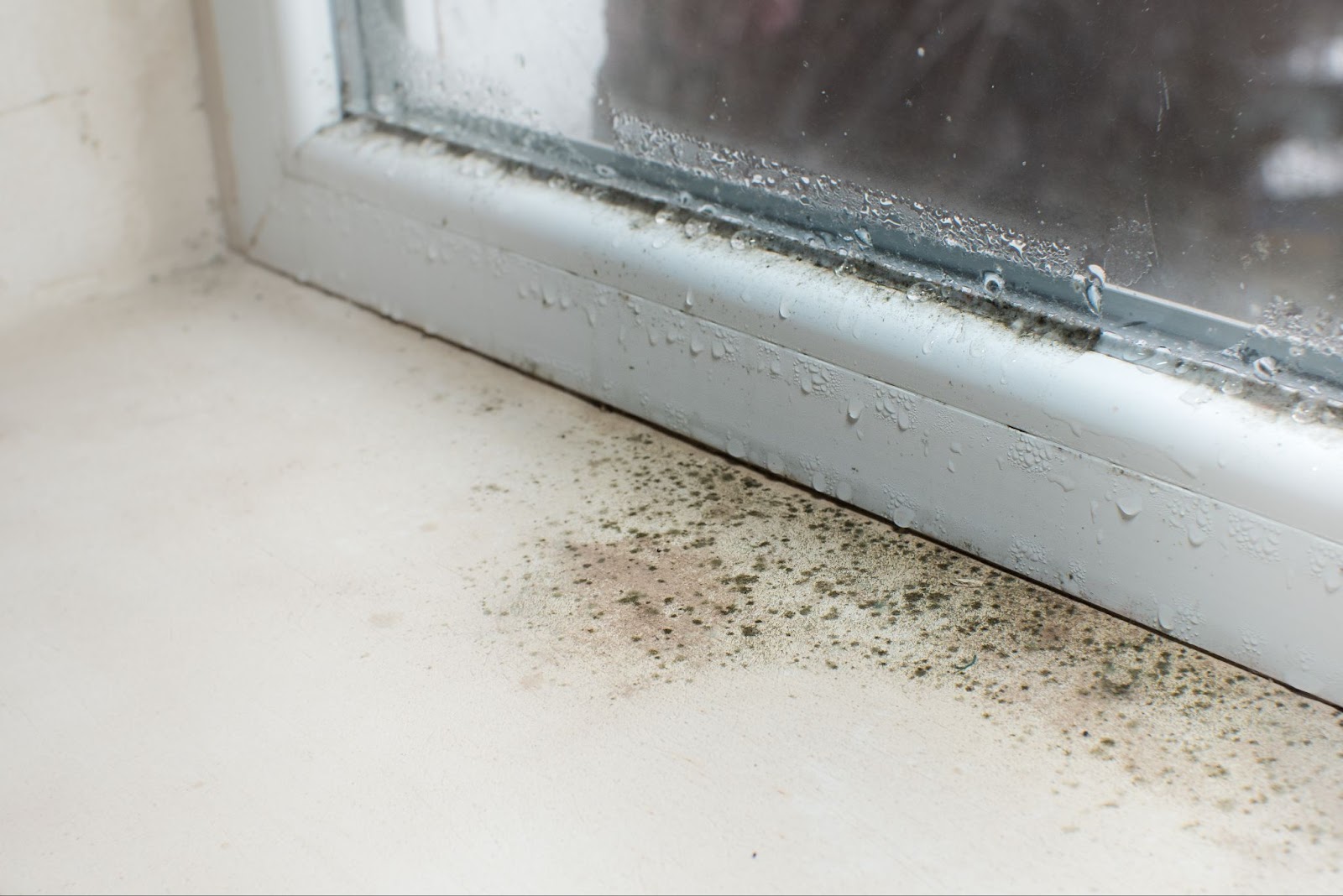
Get mold help fast with Total Flood and Fire Restoration
Mold is manageable when you act early. Stop the moisture source, dry thoroughly, and select the appropriate repair level based on the affected materials.
If you need professional mold damage repair or full mold damage restoration, contact Total Flood and Fire Restoration to help restore your home safely and build a long-term mold prevention plan that fits Utah conditions.