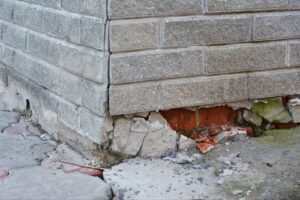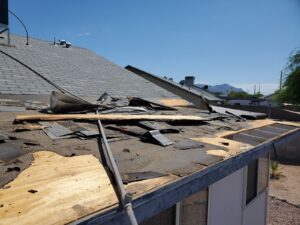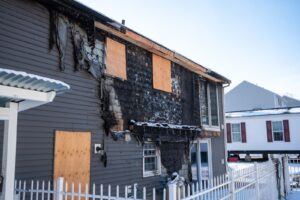

To prevent roof leaks after a heavy storm, start with safe documentation, check for missing shingles and damaged flashing, and inspect the attic for moisture. Early roof leak prevention focuses on stopping water intrusion quickly with temporary protection, then scheduling permanent repairs. If damage is widespread or access is unsafe, storm damage repair services secure the roof and prevent interior damage.
Roof leaks often show up later, not right away
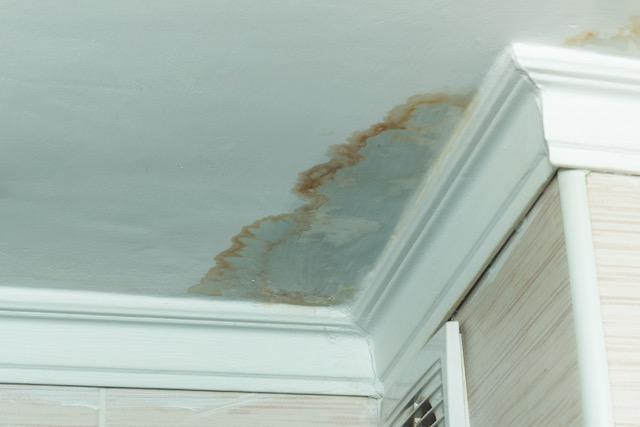
A heavy storm damages your roof in ways that look minor from the ground. A lifted shingle, loosened vent boot, or shifted flashing may not leak immediately, but it may let water in during the next rain or snowmelt. That moisture spreads into insulation, decking, and drywall before you ever see a stain. The best approach is early roof-leak prevention, starting with documentation and a plan to address weak points before they become expensive repairs.
In this guide, you’ll learn what causes post-storm leaks, what to check first, and when storm damage repair services are the safest way to protect your home.
Why storms cause roof leaks
Storms cause roof problems in a few common ways, and most involve small openings that expand over time.
- Wind uplift breaks shingle seals: When wind lifts the edges of shingles, it breaks the adhesive bond that keeps water out.
- Wind-driven rain pushes water under the edges: Heavy rain combined with strong gusts forces water into gaps that normally stay dry.
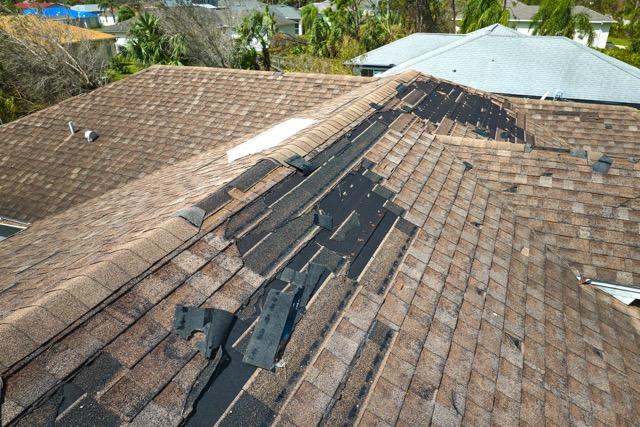
- Hail bruises shingles and damages roof components: Hail cracks flashing, dents vents, loosens fasteners, or damages shingle granules, increasing the chance of leaks later.
- Debris causes punctures and impact points: Falling branches and airborne debris tear shingles, dislodge flashing, or damage gutters.
- Clogged gutters and downspouts cause backup: When gutters overflow, water runs where it shouldn’t, soaking fascia and sometimes pushing back under roofing materials.
Small storm openings rarely stay small — repeated rain, snowmelt, and freeze-thaw cycles widen weak points and turn minor issues into recurring roof leaks.
Step-by-step roof leak prevention after a heavy storm
1. Stay safe and avoid roof climbing
Skip the roof. Wet shingles and loose debris make it dangerous. Start with ground-level checks and an interior inspection.
2. Document damage immediately
Take photos and videos right away. Capture the roofline, vents, and chimney areas (from the ground), gutters, debris, and any interior damp spots for insurance and tracking.
3. Check the attic for early warning signs
Look for damp insulation, stains on rafters or decking, wet wood, musty odors, or daylight through the roof deck. Early signs help you catch roof leaks fast.
4. Look for exterior red flags from the ground
Scan with binoculars if possible. Watch for missing or lifted shingles, damaged flashing, cracked vent boots, and sagging or pulled-away gutters.
5. Use temporary protection to prevent more damage
If water is coming in, use buckets and protect the flooring with towels or plastic. Only tarp if it’s safe, and call storm damage repair services if you can’t access the roof safely.
6. Schedule a professional inspection and repairs
A pro should inspect shingles, flashing, vents, and the attic for moisture, then provide photos and repair options. Use storm damage repair services when damage is significant.
7. Confirm permanent repair quality
Ask for completion photos and a work summary. Verify flashing, vent seals, ridge caps, shingles, and gutters were fixed correctly to support roof leak prevention.
Benefits of addressing leaks early
Fast action matters because water spreads quickly once it gets into a roof system. Key benefits include:
- Prevents insulation saturation that lowers energy efficiency and increases repair scope
- Protects decking and framing from rot and long-term structural weakening
- Reduces mold risk by limiting trapped moisture in attic spaces and wall cavities
- Minimizes interior repair costs by preventing stains, warped drywall, and ruined flooring
- Supports insurance documentation with clear evidence and timely action
In most cases, roof leak prevention costs far less than repairing widespread water damage.
Common mistakes to avoid
Avoid these errors that often worsen storm-related issues:
- Waiting for visible stains before taking action
- Using the wrong sealants or patch products that fail quickly
- Replacing shingles without fixing flashing and penetrations
- Ignoring attic moisture signs
- Skipping documentation for insurance
- Hiring unqualified contractors without proper insurance
- Avoiding storm damage repair services when roof access is unsafe or when damage is widespread
Helpful tools for spotting roof leaks early
You can do a lot without stepping onto the roof:
- Binoculars for ground-level roof checks
- Flashlight or headlamp for attic inspection
- Moisture meter for suspicious ceilings or attic framing
- Heavy-duty tarp and sandbags (temporary protection when safe)
- Buckets, towels, and plastic sheeting for interior protection
- Phone camera for documentation
- Gutter-cleaning tools are used safely from the ground, where possible
Use these tools to gather information and reduce damage, then bring in pros when repairs require roof access.
FAQs
How soon do roof leaks appear after a storm?
Some show up immediately, but many appear days or weeks later as water travels through the framing before becoming visible. Attic checks and quick documentation help catch issues early.
What are the first signs of a roof leak in the attic?
Watch for damp insulation, stains on rafters or decking, musty odors, rusted nails, or daylight through the roof deck. These signs often appear before ceiling stains.
Can I tarp my roof myself?
Only use a tarp if you can do it safely without climbing onto steep or wet surfaces. If access is unsafe, call professionals for temporary protection.
Do storm damage repair services help with insurance documentation?
Yes. Many provide photos and written scope details that support your claim and clarify what repairs are needed.
What causes recurring roof leaks after repairs?
Leaks often return when repairs address shingles but miss flashing, vent boots, or seal points. Poor workmanship or hidden moisture damage also leads to recurring issues.
How can I prevent roof leaks year-round?
Clean gutters, trim branches, inspect flashing and vent seals annually, and schedule inspections after severe storms to catch damage early.
Roof leak prevention support from Total Flood and Fire Restoration
Heavy storms create roof issues that don’t show up right away, and small problems become major roof leaks if you wait too long. Document damage, check the attic, use temporary protection when safe, and schedule professional repairs quickly.
If you suspect storm-related damage or want expert roof leak prevention, contact Total Flood and Fire Restoration. Our team provides trusted storm damage repair services to secure your roof and help protect your home from costly water intrusion.