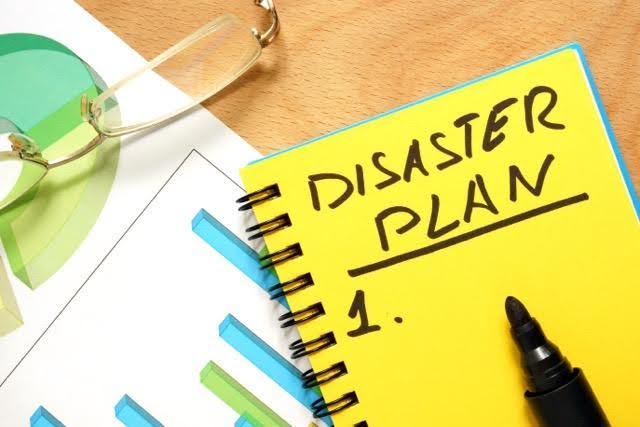
A family disaster recovery plan explains how you’ll communicate, where you’ll meet, what you’ll do in the first 24 hours, and how you’ll manage cleanup and repairs after an emergency. In Utah, planning ahead speeds decisions and reduces stress, especially when you need disaster restoration support from a trusted Utah restoration company.
A recovery plan turns chaos into clear next steps
After a flood, fire, or storm, families often manage the immediate emergency but then get stuck on what to do next. Who calls insurance? Where are the documents? How do you prevent more damage? A family disaster recovery plan gives you a simple playbook for the hours and days after the danger passes.
In this guide, you’ll set roles, build a communication plan, organize documentation, and create a first-24-hours checklist. You’ll also learn when Utah disaster cleanup is needed and how disaster restoration works with a local Utah restoration company.
What a family disaster recovery plan is
A disaster recovery plan covers what happens after the immediate danger ends. It’s different from an emergency plan (which focuses on evacuation routes and immediate safety). Recovery is where families often lose time — and where a clear plan helps you protect your home, your health, and your finances.
Your plan should include:
- Roles and responsibilities: Who does what (and who backs them up)
- Communication plan: How you’ll contact each other when cell service is limited
- Meeting locations: One nearby, one outside the neighborhood
- First 24-hour checklist: Safety steps, documentation, and damage prevention
- Document and insurance access: Policy numbers, claim steps, and home inventory
- Cleanup and restoration decision triggers: When to call professionals for disaster restoration
A written plan reduces delays and prevents costly “in-the-moment” decisions that worsen damage.
How to build your plan
1. Assign roles and decision makers
Pick a primary decision maker and a backup. Assign simple roles:
- Safety (account for everyone)
- Documentation (photos + paperwork)
- Insurance (claim + expenses),
- Support (meals, meds, pets, housing)
2.Create a communication tree
Disasters can disrupt phone service, so build in a few ways to connect. Choose an out-of-area contact everyone can call or text, and use a text-first approach since texts often get through when calls don’t. Print a short contact list and keep copies in each car and go-bag. It also helps to pick a Utah restoration company in advance and save their contact info in your plan for a faster response.
3. Set two meeting locations
Make it simple:
- Meeting spot A (nearby): A neighbor’s porch, mailbox, or community sign
- Meeting spot B (outside the area): A library, church, recreation center, or family member’s home
Add directions for kids and teens, and include a note about what to do if someone arrives late.
4. Build a “first 24 hours” checklist
Wait for clearance when needed. Avoid hazards. Shut off utilities if instructed. Document any damage before moving items, then use safe, temporary measures to prevent further damage.
5. Create an insurance and documentation folder
Store policy info, a photo inventory, IDs, medical info, and a receipt tracker. Keep it in a shared cloud folder with a printed backup.
6. Decide when to call for help
Add “call now” triggers like sewage, widespread smoke, structural damage, major flooding, or mold odors. Utah disaster cleanup and disaster restoration pros can secure the site and prevent secondary damage.
7. Store the plan and practice it
Store the plan where you’ll actually use it. Keep a printed copy in a home binder, save a shared digital version in a cloud folder, and place a condensed “quick card” in each car. Do a 10-minute review each quarter, then complete a full update once a year.
Why a recovery plan matters
A good plan helps prevent costly delays.
- Faster decisions under stress when everyone knows their role
- Better insurance documentation that supports smoother claims
- Lower risk of secondary damage like mold, corrosion, or odor absorption
- Clearer next steps for temporary housing, repairs, and replacement items
- A faster path back to normal when you already know who to call for disaster restoration
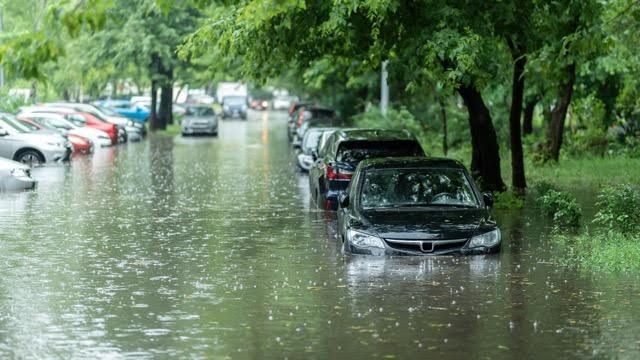
Common mistakes to avoid
- Keeping the plan “in your head” instead of writing it down
- Forgetting pet needs (carriers, meds, vet records, food)
- Failing to document damage before cleanup
- Not tracking receipts and temporary expenses
- Turning on HVAC systems too soon after smoke or water events
- Waiting too long to request Utah disaster cleanup when hazards are present
- Not updating contact info and medical details annually
Key safety facts and guidance
Use simple, verified guidance to shape your plan:
- Choose text-first communication and designate an out-of-area contact for family check-ins.
- Dry wet areas and materials quickly after water exposure to reduce the risk of mold growth.
- Avoid contact with contaminated water and keep children and pets away from impacted areas.
These basics support better outcomes and help disaster restoration move faster with fewer complications.
Tools and resources to keep on hand
Create two kits: a “go kit” and a home recovery bin.
Documents and digital tools
- Cloud folder for insurance and photos
- Home inventory photos (updated annually)
- Paper copies of policies, IDs, prescriptions, and emergency contacts
- A shared family note with meeting locations and responsibilities
Supplies for safety and basic recovery
- Headlamps, batteries, phone chargers, and power banks
- First-aid kit, gloves, N95 masks
- Basic tools (multi-tool, duct tape, plastic sheeting)
- Shutoff wrench (and label shutoff locations)
- Pet supplies (leash, carrier, food, meds)
Home protection basics
- Heavy-duty tarp and rope (for temporary protection when safe)
- Towels/buckets for leaks
- Fire extinguisher and smoke/CO detector batteries
FAQs
What should a family disaster recovery plan include?
Your plan should include roles, contact lists, meeting locations, a first-24-hours checklist, document storage, and clear “call a pro” triggers. Focus on safety, documentation, and preventing more damage.
How often should we update our plan?
Do a quick review quarterly and a full update once a year. Update whenever you move or have major changes in your family, job, or medical situation.
What documents matter most after a disaster?
Insurance details, a photo inventory, IDs, medical info, and a receipt tracker matter most. Store them in a shared cloud folder with a printed backup.
When should I call a Utah restoration company?
Call for smoke/soot spread, major water saturation, sewage contamination, or structural concerns. Fast responses limit secondary damage.
What’s the difference between Utah disaster cleanup and disaster restoration?
Utah disaster cleanup handles immediate safety, removal, and drying. Disaster restoration covers repairs and rebuilding to return the home to pre-loss condition.
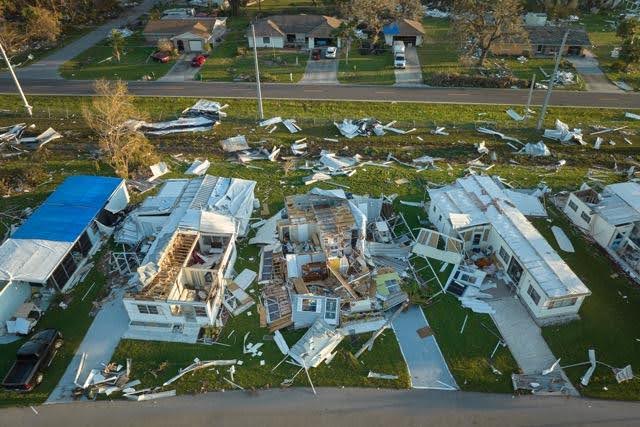
Get 24/7 disaster help from Total Flood and Fire Restoration
A family disaster recovery plan reduces stress, prevents costly mistakes, and helps you protect your home after the immediate danger passes. Assign roles, document everything, keep critical information accessible, and know when to call for professional help.
If your home needs Utah disaster cleanup or full disaster restoration, contact Total Flood and Fire Restoration — a trusted Utah restoration company available 24/7 to help you recover safely and confidently.