Water damage restoration can take a few days or several weeks, depending on how much water enters the property, how long it sits, which materials it affects, and whether the home needs repairs after drying. A professional water damage inspection helps set the timeline and identify the right next steps.
What homeowners should know about restoration timelines
When water enters a home, one of the first questions homeowners ask is how long the cleanup will take. The honest answer is that the timeline depends on more than what you see on the surface. Some homes only need fast extraction, drying, and monitoring. Others need a longer process because moisture has reached drywall, insulation, flooring, cabinets, or structural materials.
In some cases, the cleanup phase moves quickly, but the full project takes longer because water damage repair is still needed after drying is complete. The best way to understand the schedule is to start with a thorough inspection and build the timeline around the actual conditions inside the property.
What affects the timeline for water damage restoration
Restoration includes removing water, drying affected materials, cleaning the area, and returning the home to a safe condition. The timeline varies based on the water source, how much water entered the property, how long it sat, and what materials were affected. Carpet, drywall, wood, and insulation don’t dry at the same rate, which is why professional equipment and monitoring matter.
It also helps to distinguish between restoration and repair. Restoration focuses on extraction, drying, and cleanup, while repair involves replacing materials like drywall, flooring, cabinets, or trim. A thorough water damage inspection helps determine how far moisture has spread, whether hidden areas are affected, and whether the job will end with drying or move into a longer repair phase.
How restoration works
1. Emergency response and inspection
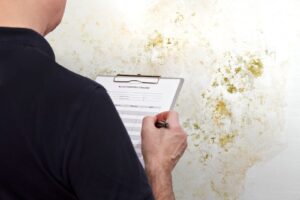
The process starts with a fast response and a full water damage inspection. This helps identify the source of the water, assess affected materials, and check for visible and hidden moisture throughout the home.
2. Water extraction
Once the team assesses the damage, they remove standing water as quickly as possible. Fast extraction helps limit further spread and allows the drying phase to begin sooner.
3. Drying and dehumidification
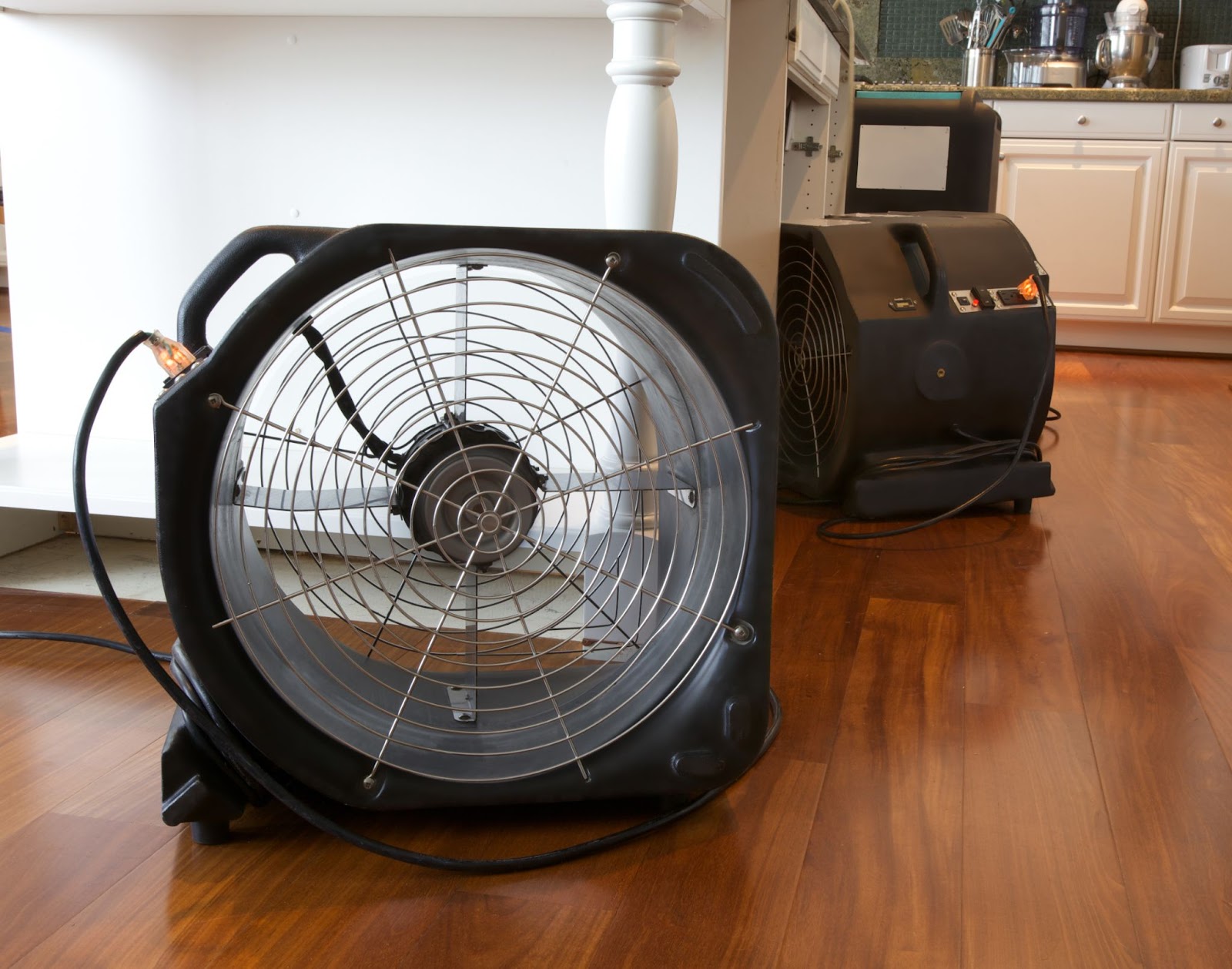
After extraction, the team places air movers and dehumidifiers throughout the affected area. This stage of water damage restoration helps remove moisture from walls, floors, cabinets, and other materials that may still hold water.
4. Moisture monitoring
During drying, the team should check the property regularly with moisture meters and other tools. This helps the team confirm that materials are drying and identify hidden moisture behind walls, under flooring, or inside cabinets.
5. Cleaning and sanitizing
If needed, the team cleans the area to remove residue, odor, or contamination left behind by the water. This step is especially important when the water source isn’t clean.
6. Water damage repair
Once the structure is dry, the project may move into repair. This includes replacing drywall, reinstalling flooring, repairing trim, repainting, or rebuilding damaged sections of the home.
7. Final review and next steps
The goal is to make sure the property is fully dry, safe, and ready for any remaining repairs. A proper process focuses on drying the home correctly the first time so that the repair work can move forward with confidence.
Benefits of fast action
Responding quickly after water enters the home makes a major difference.
- It helps limit how far moisture spreads
- It may reduce the amount of demolition needed
- It shortens the total restoration timeline
- It improves the chances of simpler water damage repair
- It gives the inspection a clearer starting point
- It helps protect drywall, flooring, insulation, and wood framing
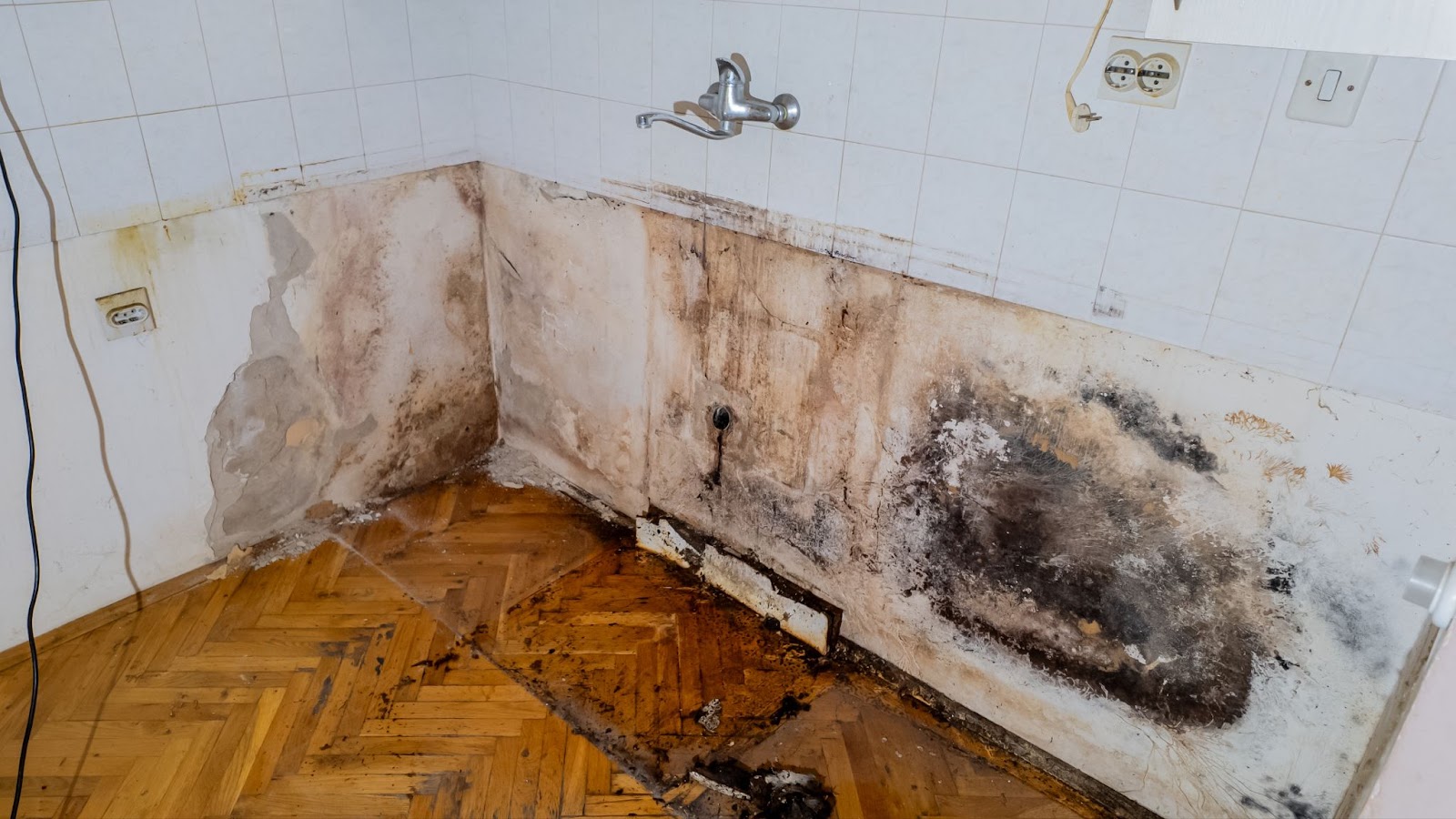
- It lowers the risk of mold growth after the initial loss
Common mistakes that slow the process down
Some delays happen because the damage is severe. Others happen because homeowners wait too long or make assumptions too early.
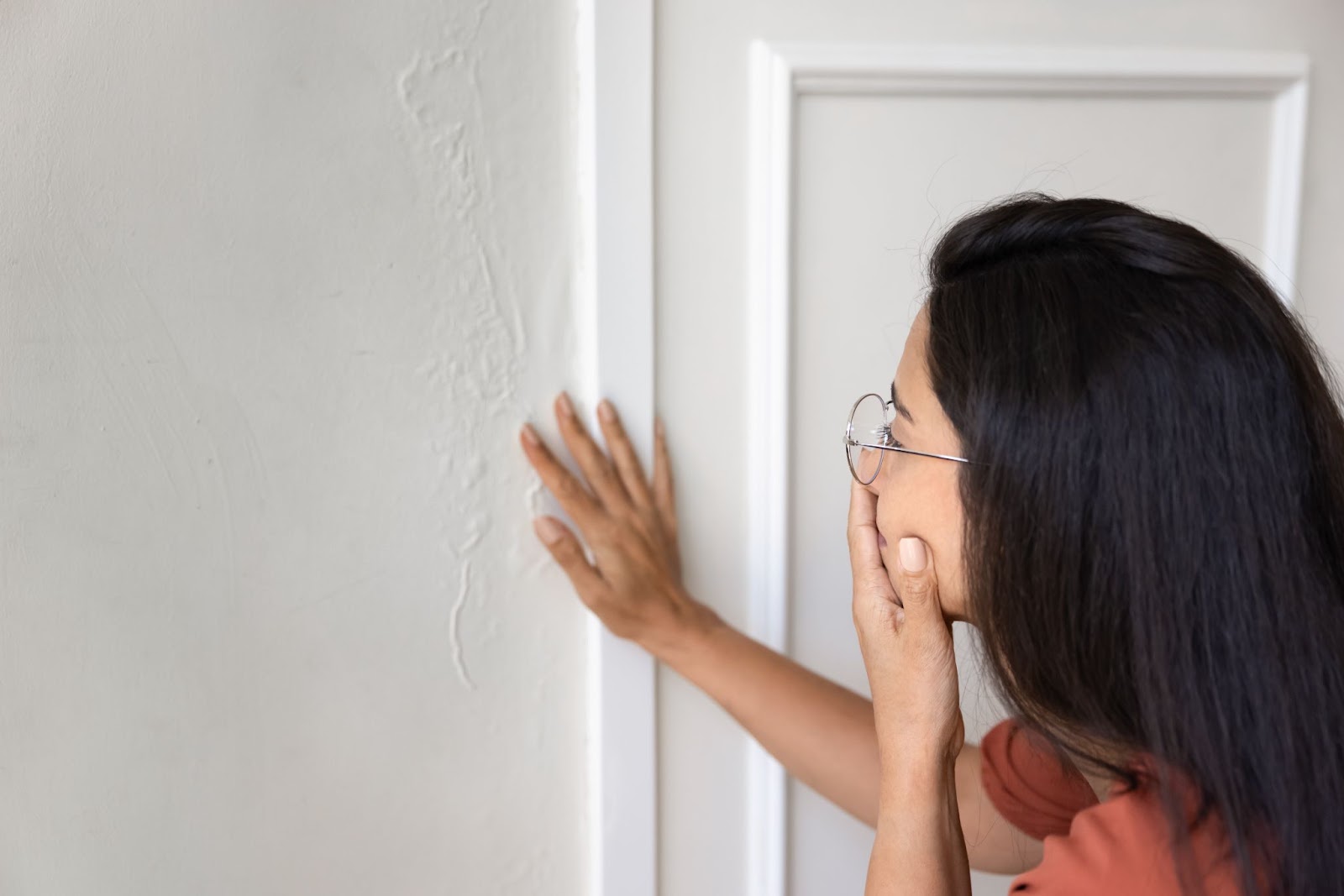
- Assuming the area is dry because the surface feels dry: Moisture can remain behind walls, under flooring, or within materials long after visible water is gone.
- Skipping a professional inspection: Without moisture readings, it is easy to miss hidden damage and underestimate the scope of the problem.
- Turning off drying equipment too early: If materials aren’t fully dry, moisture can linger, extending the restoration timeline.
- Delaying insurance communication: Waiting too long to document the damage and contact your insurance company slows down the claims process.
- Treating cleanup and repair as a single step: Drying and repair are connected, but they occur in different phases.
What research says about drying and moisture control
- Drying speed affects the bigger picture. Dry water-damaged areas and items within 24 to 48 hours to help prevent mold growth.
- Moisture control is the core issue. The key to mold control is moisture control, which is why proper drying is a crucial part of the restoration process.
- Flood-related losses involve added safety concerns. Floodwater may contain contaminants, and wet electrical equipment creates safety hazards.
Equipment and recommendations that support the process
Homeowners usually don’t need to know every piece of equipment on the truck, but it helps to understand what supports a good process.
- Moisture meters help confirm what is wet and when materials are actually dry.
- Infrared or thermal imaging enhances water damage inspection by identifying hidden moisture patterns.
- Water extraction equipment removes standing water as quickly as possible.
- Air movers increase airflow across wet surfaces.
- Dehumidifiers pull moisture from the air and help accelerate drying.
- More complex losses may require containment or other protective measures.
- Professional monitoring helps prevent equipment from being removed too early.
- A clear repair plan helps homeowners understand what repairs they will still need after drying.
Start with a thorough inspection, dry the structure correctly, and proceed to repair only after moisture levels support the next phase.
FAQ
How long does restoration usually take?
Water damage restoration may take a few days for smaller losses or several weeks for larger jobs. The timeline depends on how much water enters the home, how long it sits, what materials it affects, and whether the home needs repairs after drying.
What delays restoration?
Hidden moisture, delayed response, contaminated water, damaged building materials, and larger reconstruction needs all slow the process. A proper inspection helps identify these issues early, so the timeline is based on actual conditions instead of surface appearances.
Is repair included in restoration?
Sometimes, but not always in the same phase. Restoration usually starts with extraction, drying, and cleanup. The team may begin repairs after the structure dries if they need to replace drywall, flooring, cabinets, trim, or other materials.
Why is an inspection important?
An inspection helps identify visible and hidden moisture, set realistic expectations, and determine the right equipment and scope of work. Without it, homeowners may underestimate the damage and misjudge how long the restoration and repair process will really take.
Can a room look dry but still have hidden moisture?
Yes. Surfaces feel dry while moisture remains behind walls, under floors, or inside structural materials. That is why professional drying and monitoring matter. A room may look better quickly, but hidden moisture still extends the real restoration timeline.
Utah conditions that affect restoration
In Utah, the season and the source of the water shape the restoration timeline. Winter pipe breaks, spring runoff, basement seepage, and storm-related intrusions all create different drying and repair challenges. Some homeowners assume Utah’s dry climate will dry everything on its own, but a proper inspection still needs to verify hidden moisture inside walls and flooring.
That is one reason local response matters. Fast action helps limit the spread of damage before a smaller loss becomes a bigger repair project.
Get help from Total Flood and Fire Restoration
Restoration doesn’t follow one fixed schedule because every property is different. Some homes need only a few days of drying, while others require a longer process that includes cleanup, monitoring, and water-damage repair. The key is to act quickly, conduct a thorough inspection, and build the timeline based on the home’s actual conditions.
Contact Total Flood and Fire Restoration for expert help identifying the damage, properly drying the property, and taking the next step toward a safe, fully restored home.