Discovering water in your basement is a stressful experience — one that feels chaotic and urgent, especially if it happens suddenly. Whether it’s due to a storm, a burst pipe, or a sump pump failure, basement flooding causes serious damage to your home in a very short amount of time.
But before professional help arrives, there are important steps to reduce the impact. From ensuring your safety to protecting valuables and documenting the damage, swift action goes a long way toward minimizing loss and accelerating the recovery process.
This blog guides you through the exact steps to take in those crucial first moments after a basement flood. Keep reading to learn more.
1. Stay safe first
When basement flooding hits, safety becomes the top priority. Before considering flood cleanup or relocating items, take a moment to carefully assess the situation. Standing water in a basement creates serious hazards, and acting without caution leads to injuries or further damage.
Start by checking the electrical situation. If you reach your breaker panel without stepping into water, turn off the power to the basement right away. Combining live electricity and water creates a hazardous mix, and flipping the breaker helps prevent the risk of shock.
If the water level makes the breaker unreachable, stay out of the basement until a professional flood and fire restoration team arrives.
Finally, look for signs of structural damage. Bowing walls, cracks, or shifting floors signal serious issues. If anything looks unstable, step back and wait for professional help. Your safety matters more than anything you could salvage. A dependable Utah restoration company will take over once they arrive, handling the dangerous work so you don’t have to.
2. Identify the source of the flooding
Once it’s safe to enter or assess the area, the next step is to determine the source of the water. Not all basement flooding has the same cause, and identifying the source helps you take smart next steps while you wait for your flood cleanup team to arrive.
Check for obvious culprits first. If the flooding started after a heavy rainstorm, the likely cause is groundwater seepage through foundation cracks or an overwhelmed sump pump.
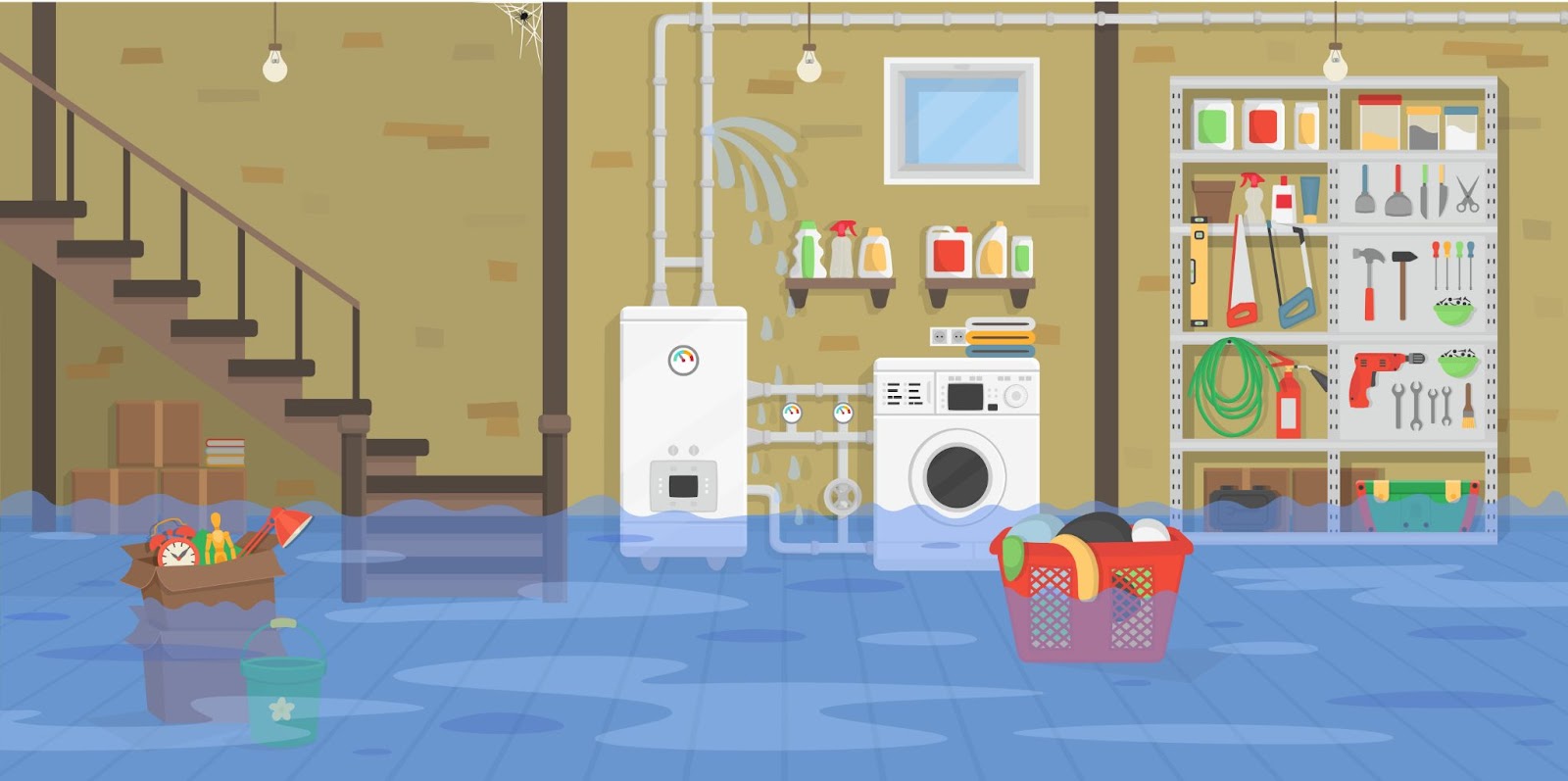
If there hasn’t been rain, the issue could be internal, such as a burst pipe, water heater failure, or overflow from a washing machine. A strong smell or dark water may indicate a sewage backup, which is considered a biohazard and requires immediate professional attention.
If you notice active leaking — water pouring or dripping from a pipe, appliance, or wall — shutting off the main water supply to your home helps prevent the damage from worsening. However, if the water is rising from outside or through the floor, prioritize containment and safety above all else.
Regardless of the source, acting quickly and contacting a trusted Utah restoration company ensures prompt and effective handling of the problem. The sooner professionals arrive, the more damage they prevent — and the sooner your home begins to recover.
3. Stop the flow of water (if you can)
If a broken pipe, faulty appliance, or another internal source is causing your basement flooding, stopping the flow of water quickly will help minimize damage before your flood cleanup team arrives. Every minute counts; even small leaks may become major problems if left unchecked.
First, as we mentioned earlier, locate your home’s main water shut-off valve. Turning this off will stop water from continuing to flow into your home and buy time until professional help arrives. If the leak comes from a specific source, such as a washing machine or water heater, you can often shut off the water directly at the appliance.
If the source is a sewer backup, rising groundwater, or storm-related flooding, you likely won’t be able to stop the water. In that case, focus on containment: close off the area, avoid contact with the water, and wait for a licensed flood restoration team to arrive.
4. Document the damage
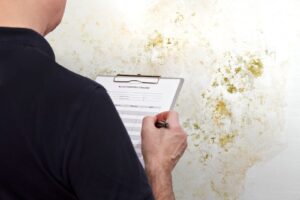
Start by taking wide-angle photos of the entire basement to capture an overview of the flooding. Then, take close-ups of affected areas — soaked flooring, damaged walls, furniture, etc. If you notice signs of mold or structural issues, include those.
Don’t throw anything out yet, even if it’s unsalvageable. Insurance adjusters often need to see the damage in person, and removing items too early could affect your claim. If you need to move something, photograph it first and store it in a safe and dry location.
Create a list of damaged items, including their estimated value and any available receipts or warranty information. The more thorough your documentation, the smoother the process will be when your Utah restoration company and insurance provider step in to assess the loss.

5. Protect your belongings
Once the water has stopped and it’s safe to enter the basement, take quick action to protect any undamaged items. Time is critical — floodwater spreads fast, and even items sitting on a shelf or in a plastic bin may be at risk from moisture in the air.
Start by removing dry items from the area. Prioritize valuables like electronics, important documents, family keepsakes, and anything porous that could absorb moisture. If you can’t remove furniture, place aluminum foil, wood blocks, or plastic under the legs to prevent water from wicking up into fabric or wood.
Move boxes, area rugs, and storage bins to a dry space if possible. If you use plastic storage tubs, double-check that the lids seal properly and prevent any water from seeping in. Avoid lifting waterlogged items — they can be heavier than expected and may break apart or cause injury. Leave those to your flood cleanup team.
6. Ventilate and control moisture
Even after the visible water starts to recede, the danger isn’t over. Moisture lingers, and that’s exactly what mold and bacteria need to thrive. The sooner you begin drying out the space, the better your chances of avoiding long-term damage.
If it’s safe and the weather allows, open windows and doors to let fresh air in and help reduce humidity. Natural ventilation significantly slows the growth of mold, especially within the first 24 to 48 hours after basement flooding. If your power is still on and conditions are safe, use fans to improve airflow and bring in a dehumidifier to pull excess moisture from the air.
Be sure to keep airflow moving across damp surfaces, such as walls, flooring, and furniture, to prevent mold growth. Even concrete and tile trap moisture underneath. If you have any wet drywall, carpet, or insulation, it’s best to leave removal to a professional flood restoration team.
Work with Total Flood & Fire Restoration
Basement flooding is stressful, but you don’t have to face it alone. At Total Flood & Fire Restoration, we respond quickly, work efficiently, and restore your home with precision and care. From the moment you call, our team takes control — removing water, protecting your property, and preventing long-term damage, such as mold or structural issues.
Don’t wait. If your basement is flooding, contact Total Flood & Fire Restoration today. We’re ready to protect your home — and your peace of mind.