You must follow essential steps in a biohazard cleanup to remove the biohazard safely and effectively. If this is your first time facing a situation involving biohazard contamination, knowing what to expect makes the experience far less overwhelming. Preparation helps you protect your home, your health, and the people you care about.
Let’s walk through what to expect in a biohazard cleanup. We’ll define what a biohazard is, share examples, and outline the key steps that professionals take during a biohazard restoration cleanup.
What is a biohazard?
A biohazard is a substance that poses a significant risk to humans, animals, or the environment due to its biological or chemical properties. Since you often cannot identify a biohazard by sight alone, the safest approach is to treat any suspicious material or scene as a potential biohazard.
This mindset is important in situations where biohazard contamination is possible but not obvious.
What are examples of biohazards?
Biohazards include microbiological waste, human blood and blood products, pathological waste, animal waste, household waste, and contaminated or uncontaminated sharps. These substances appear in medical, residential, research, and environmental settings.
Common examples include:
- Microbiological waste: Infectious cultures and stocks, inoculated specimens, and live or attenuated vaccines.
- Human blood and blood products: Serum, plasma, and all other blood components.
- Pathological waste: Human tissues, organs, and body parts removed during medical procedures or autopsies.
- Contaminated animal waste: Carcasses, body parts, and bedding from animals exposed to infectious agents, particularly in research or pharmaceutical environments.
- Isolation waste: Items containing blood, excretions, secretions, or materials from individuals or animals with bacterial infections.
- Sharps: Needles, scalpels, and broken glass become biohazards when they come into contact with infectious agents.
These biohazards fall into four distinct levels:
- Level 1: Low risk and not likely to cause chronic disease, though immunocompromised individuals may still become sick.
- Level 2: Causes illness but requires direct contact to spread. Examples include HIV, salmonella, and hepatitis B.
- Level 3: Causes serious diseases that may not be airborne initially but may become airborne, such as tuberculosis.
- Level 4: Extremely dangerous pathogens with no available treatments; this requires strict isolation.
Understanding these levels helps professionals determine the correct safety measures during a biohazard restoration cleanup.
What makes a house a biohazard?
Your home may become a biohazard scene more easily than you think. Fatal accidents, animal carcasses, sewage backup, airborne diseases, and chemical spills all introduce potential biohazard contamination. Treat any area with exposed blood, saliva, or bodily fluids carefully.
Animal deaths inside or near your home quickly lead to biohazard conditions as decomposition begins. Sewage backup contaminates water and the surrounding soil or neighboring homes. Many seemingly minor problems escalate into major risks if not handled properly.
What are the risks of biohazard exposure?
Exposure to a biohazard may cause a range of symptoms, from mild illness to severe, life-threatening infections. If you discover biohazard contamination in your home, you may need to isolate yourself from others until medical professionals determine whether you were exposed.
When seeking medical care, always inform providers about what you encountered so they can use the proper personal protective equipment and prevent further spread. Immediate transparency helps protect you and others from additional harm.
5 things to expect in a biohazard cleanup
When restoration experts arrive at your home, there are several essential steps designed to safely contain, remove, and remediate biohazard contamination. Here are the core elements of a professional biohazard cleanup.
1. Expect a control space
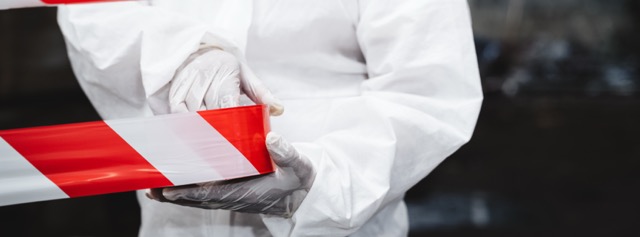
The first step in any biohazard cleanup is establishing a control space — a secure area that prevents the biohazard from spreading. If you discover biohazard contamination in your home, you may need to isolate yourself from others until medical professionals determine whether you were exposed.
Creating this barrier ensures that biohazard contamination remains fully contained and does not move into unaffected areas.
2. Expect isolated areas
During the cleanup process, professionals will isolate specific areas of the home where you cannot enter until they have completed the biohazard restoration cleanup. These limitations protect your health and ensure the contaminated zones remain sealed from the rest of the home.
3. Expect hazmat suits
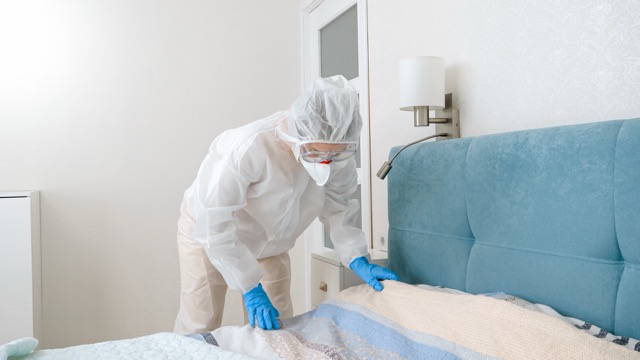
Depending on the level of the biohazard, gloves, goggles, and masks may not be enough. For higher-risk scenes, hazmat suits provide comprehensive protection against biohazard contamination. Cleanup teams use this specialized gear to ensure safety for both themselves and your household.
4. Expect professionals to go layers deep
Cleaning a biohazard often requires removing more than what the eye sees. Professionals may need to remove floorboards, carpet, or tile to access areas where contaminants have seeped. Surface cleaning is insufficient for a biohazard restoration cleanup because pathogens often penetrate deeply into building materials.
Advanced tools enable experts to determine the extent of contamination, providing you with peace of mind that your home is fully restored and safe.
5. Expect to lose some personal items
Unfortunately, even expert biohazard cleanup cannot save some personal items. If a serious accident leaves blood on countertops, utensils, or cookware, replacing these items may be the safest course of action. Depending on the severity of the contamination and the category of biohazard involved, you must discard porous or heavily saturated materials to protect your health.
Why you shouldn’t clean up a biohazard yourself
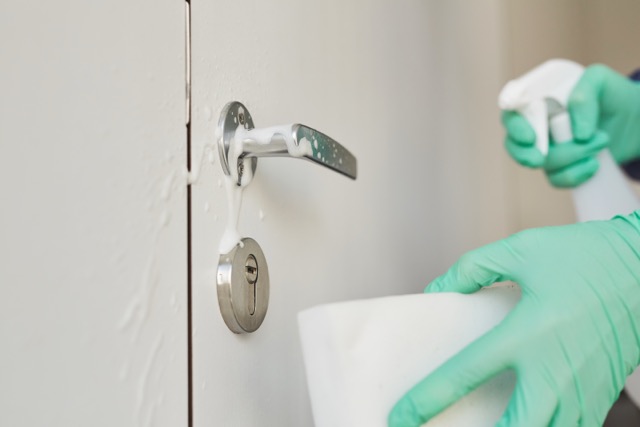
Once you understand what qualifies as a biohazard and what safe cleanup requires, you can clearly see why attempting to handle biohazard contamination on your own is dangerous. Professional teams use specialized tools, safety equipment, and advanced remediation techniques that surpass standard cleaning supplies.
Trying to clean up a biohazard yourself risks exposure, improper containment, and unintentional spread — all of which could endanger your family or create future health problems.
Trust Total Flood and Fire Restoration for professional biohazard cleanup
Total Flood and Fire Restoration is a trusted restoration company serving northern Utah, including Davis, Weber, Salt Lake, and Utah counties, as well as the surrounding areas. Our certified team handles biohazard cleanup, as well as mold, fire, water, sewage, and storm restoration.
If you’re facing biohazard contamination or need a complete biohazard restoration cleanup, contact Total Flood and Fire Restoration immediately. We provide 24/7 emergency service because hazardous situations can’t wait. Call us at 385-483-2109 for fast, professional help when you need it most.