DIY fire damage cleanup exposes you to harmful soot, unstable materials, and hidden electrical risks that are easy to miss after a fire. Smoke residue spreads through the home, and the water used to extinguish flames often creates moisture issues that require water damage cleanup. In most cases, working with qualified restoration companies in Utah is the safest way to protect your home and health.
The hidden risks homeowners miss after a fire
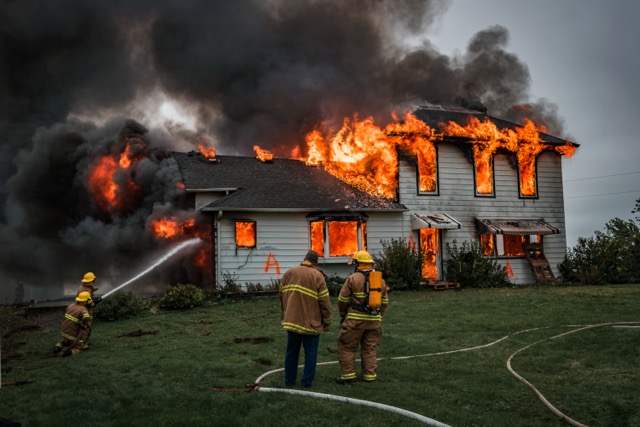
After a fire, it’s natural to want to start cleaning right away. You may feel pressure to “fix it fast,” save belongings, and get your home back in order. However, burned materials release residues that you don’t want to touch without protection, and the water used to put out the fire soaks walls, floors, and insulation, creating conditions that demand professional fire damage cleanup.
In this guide, you’ll learn why DIY fire damage cleanup can be dangerous, what risks matter most, and why experienced restoration companies in Utah often make recovery safer and faster.
What makes fire damage cleanup risky
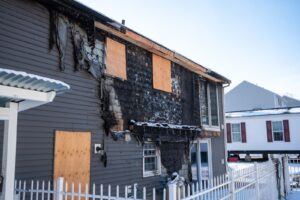
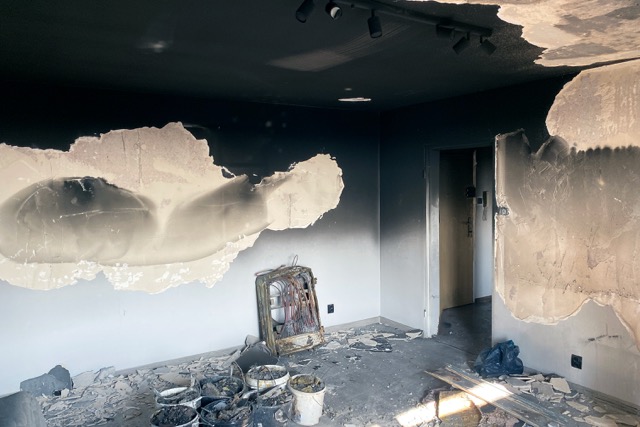
DIY cleanup may seem straightforward until you realize how many hazards lurk behind soot stains and smoky odors. A fire weakens materials, contaminates surfaces, and creates safety issues that don’t show up until you start moving items around.
Soot and smoke residue spread farther than you think
Soot isn’t “dirt.” It smears, stains, and embeds into porous surfaces, such as drywall, carpeting, and upholstery. If you dry-wipe soot, you often spread it deeper into the material. Smoke odor also sinks into insulation, wood framing, and soft goods, then lingers long after you think you’ve cleaned everything.
Burned materials may create chemical exposure risks
Modern homes contain plastics, foams, adhesives, and synthetic fabrics. When those materials burn, they leave behind residues that you shouldn’t handle without proper protective equipment.
Structural instability is easy to overlook
Heat weakens framing, compromises drywall, and warps flooring. A surface may appear stable, but a charred joist or damaged subfloor can create collapse hazards. A restoration team evaluates these risks early, before anyone starts hauling debris.
Electrical hazards remain after the flames are out
Fire damages wiring behind walls, and suppression water soaks outlets, breakers, and appliances. That combination increases the risk of shock and short circuits. Professionals often coordinate a safe electrical evaluation before starting heavy cleaning.
Fire often becomes a combined fire-and-water problem
Most fires involve water from sprinklers, hoses, or extinguishers. Moisture soaks into drywall, insulation, and flooring, creating hidden damage and increasing the likelihood of mold growth. In many cases, you need water damage cleanup to dry the structure correctly before repairs begin.
What to do instead of DIY cleanup
1. Prioritize safety and secure the site
Wait for clearance before entering. If the fire department or property manager gives instructions about utilities, follow them. Keep children and pets out of affected areas, and avoid disturbing the debris until you have documented it.
2. Document everything for insurance
Before you throw anything away, take photos and videos of each room. Capture wide shots and close-ups of damaged surfaces, appliances, and valuables. Create a simple inventory list of affected items and store it in a safe place.
3. Prevent further damage without spreading soot
You can take basic steps that reduce additional loss without attempting complete DIY fire damage cleanup:
- Keep doors closed to limit soot migration when possible.
- Avoid turning on your HVAC system until professionals inspect and clean it.
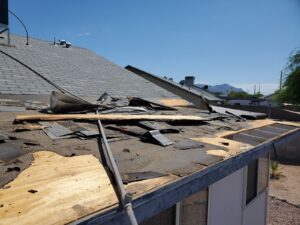
- If windows are broken or roof sections are exposed, secure the property with board-up or tarping.
4. Address moisture early
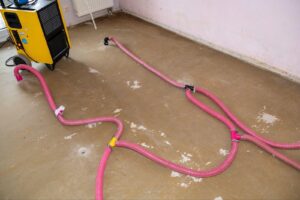
If water is present, act quickly. Standing water and saturated materials create rapid deterioration risks. Household fans may help in minor situations, but they often fail to dry wall cavities and insulation correctly. Professional water damage cleanup utilizes specialized extraction equipment, dehumidifiers, and moisture monitoring to safely dry structural materials.
5. Bring in a qualified restoration team
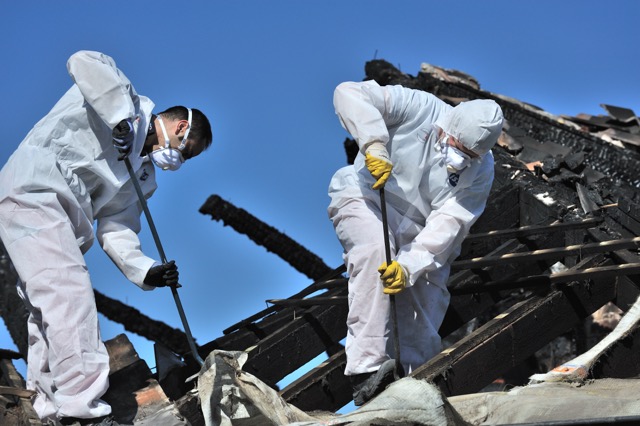
A professional assessment usually includes documentation, containment planning, safe debris removal, and an itemized scope of work. This process protects clean areas, prevents cross-contamination, and creates a clearer path to repairs. Experienced restoration companies in Utah also assist you in coordinating timelines and insurance documentation.
Why professional help matters
Professional restoration isn’t only about equipment. It’s about process, safety, and preventing secondary damage.
Here’s what trained teams do differently:
- Protect unaffected areas with containment and filtration strategies.
- Use specialized techniques to remove soot without spreading it.
- Identify hidden damage, including moisture in cavities and insulation.
- Coordinate safe evaluation for electrical and structural concerns.
- Create a clear scope of work that supports insurance documentation.
- Handle disposal safely, especially for contaminated debris.
When you work with reputable restoration companies in Utah, you reduce the chance of overlooked damage and shorten the time it takes to return your home to a safe condition.
Common mistakes to avoid
Even well-intentioned homeowners may accidentally worsen the situation. Avoid these common errors:
- Entering before official clearance
- Throwing away damaged items before documenting them
- Using a shop vac without a HEPA filter on soot
- Turning on HVAC systems before inspection
- Painting over smoke staining or odor sources
- Delaying drying, which increases deterioration risk
- Hiring uninsured contractors without restoration experience
Key safety insights after a fire
The post-fire environment creates ongoing risks if you don’t address it correctly:
- Smoke particulates irritate lungs and worsen breathing issues, especially in children and older adults.
- Wet building materials begin to develop microbial growth quickly if they are not dried properly.
- HVAC systems spread contaminants if you run them before inspection and cleaning.
- Water combined with soot creates residues that damage surfaces over time, which increases the scope of repairs and cleaning.
Professional tools that protect your home and health
Restoration teams rely on specialized equipment and safety protocols, such as:
- HEPA air scrubbers and filtration systems
- Negative air machines and containment barriers
- Moisture meters and thermal imaging for hidden water detection
- Commercial extraction units and industrial dehumidifiers
- Approved soot sponges and residue-specific cleaning agents
- PPE, including respirators, gloves, and protective suits when needed
- Odor control tools, such as hydroxyl generators, when appropriate
FAQs
Is it safe to stay in the home after a small fire?
Sometimes, but safety depends on where the fire occurred, how far the smoke traveled, and whether the home has moisture or electrical risks. A professional evaluation will confirm whether the home is safe to occupy or whether you should relocate temporarily.
Can I clean soot off walls myself?
Small amounts may seem manageable, but soot spreads easily and permanently stains surfaces when handled incorrectly. If you clean without the right materials and filtration, you may increase contamination and make professional cleaning harder.
Why does fire damage often include water damage cleanup?
Fire suppression water soaks drywall, insulation, flooring, and framing. Even if surfaces dry quickly, moisture remains trapped in wall cavities or under flooring. Professional water damage cleanup prevents hidden moisture from turning into a bigger problem.
How long does professional fire damage cleanup take?
Timelines vary based on the size of the loss, the extent of residue spread, and moisture levels. Some small incidents may take days to resolve, while larger losses require staged cleaning, drying, and repairs that span several weeks.
Will insurance cover restoration services?
Coverage depends on your policy and the cause of the fire. Documentation helps. Take photos, keep receipts, and request written scopes and estimates from your provider or contractor to support your claim.
How do restoration companies in Utah handle smoke odor?
Most teams use a combination of deep cleaning, filtration, and odor control methods tailored to the materials affected. They also identify and treat the source areas, such as insulation, framing, and HVAC pathways, rather than masking odors with fragrances.
Get safe help fast with Total Flood and Fire Restoration
DIY cleanup may feel like the fastest option, but it often creates bigger risks, especially when soot, structural instability, and moisture are involved. A safer approach begins with thorough documentation, basic damage prevention, and prompt professional assistance.
If you need fire damage cleanup and coordinated water damage cleanup, contact Total Flood and Fire Restoration. We’re among the most trusted restoration companies in Utah, and our team is available 24/7 to help you restore your home safely and efficiently.