Wind can loosen shingles, lift flashing, and break roof seals, creating small openings that allow moisture to enter the roof system. Over time, this hidden damage can lead to leaks, rotted decking, saturated insulation, and interior repairs. Document storm damage quickly, schedule an inspection, and utilize storm damage repair services when wind damage requires more than a simple, safe fix.
Wind damage often starts small, then gets expensive
A major windstorm rips shingles off in minutes, but the most costly problems often begin with subtle wind damage to roof materials that looks harmless from the ground. A slightly lifted shingle, a loosened vent boot, or flashing that shifted a fraction of an inch allows water to enter, then spread with every rainstorm and freeze-thaw cycle.
In this guide, you’ll learn how wind affects roof integrity over time, the warning signs to watch for, the typical repair timeline, and when to call storm damage repair services for professional wind damage repair.
How wind damage impacts a roof system
Roof integrity is your roof’s ability to shed water, resist wind uplift, and protect the layers underneath, including underlayment, decking, insulation, and framing. When wind hits a roof, it creates pressure differences that lift the edges of shingles and strain fasteners, seals, and flashing.
Here are common ways wind affects a roof:
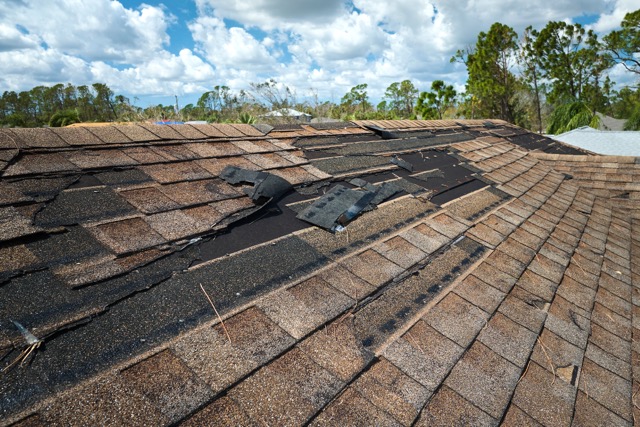
- Shingle lift and seal failure: Wind breaks the adhesive bond that keeps shingle tabs flat. Once that seal fails, shingles lift more easily in later storms.
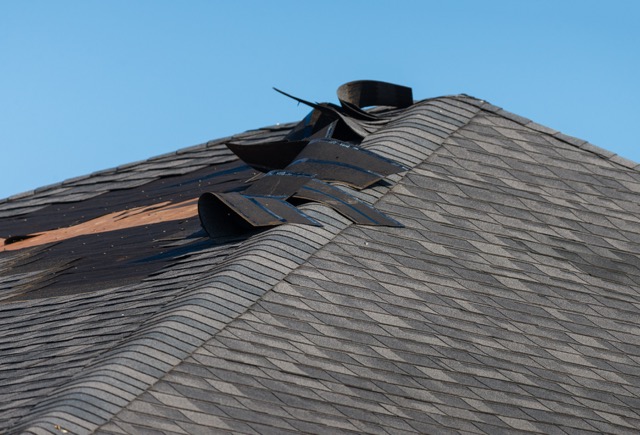
- Creased or “flapped” shingles: Shingles bend back and crease, leaving a weak point that allows water to enter.
- Flashing separation: Wind loosens flashing around chimneys, valleys, walls, and roof penetrations. Small separations often cause slow leaks.
- Vent and pipe boot damage: Rubber boots and vent covers crack, pull away, or lose sealant.
- Gutter, fascia, and soffit impacts: If wind loosens gutters or damages fascia, water runs behind gutters and soaks wood structures.
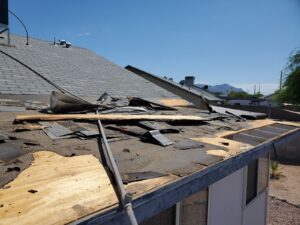
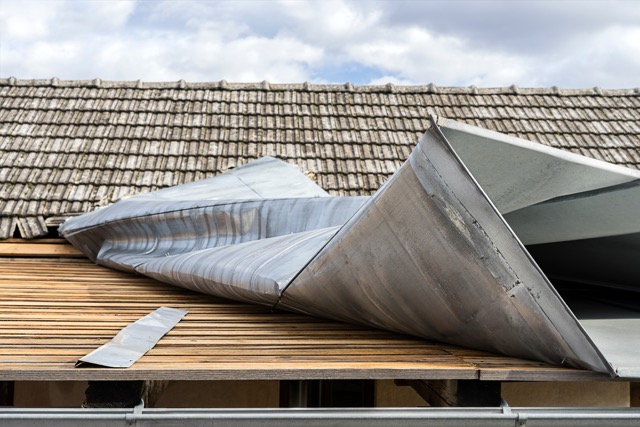
- Debris impact: Branches and airborne objects puncture roofing materials or dent components, creating entry points for water.
Step-by-step: What to do after a windstorm
1. Prioritize safety first
Stay off the roof. Windstorms loosen materials and create unstable footing. Watch for downed power lines, broken branches, and slick surfaces around the home.
2. Document visible damage from the ground
Use your phone or camera to capture:
- Missing, lifted, or creased shingles
- Damaged flashing near chimneys and vents
- Bent gutters, loose downspouts, or detached fascia
- Siding damage or fallen debris near the roofline
Take wide shots and close-ups when possible. Documentation helps you track changes over time and supports insurance claims if needed.
3. Prevent further damage with temporary protection
If you see active leaking inside the home, move valuables away from the area and place towels or buckets to reduce damage. If debris created an opening, use a heavy-duty tarp as a temporary measure, but only if you do it safely from the ground or a stable location. Avoid improvised roof climbing.
4. Schedule a roof inspection
An inspection should include:
- A full exterior review for shingle, flashing, and vent issues
- An attic check for moisture, staining, and insulation saturation
- A review of gutters and water drainage patterns
A professional inspection may uncover wind damage to roof areas you can’t see from the ground, including subtle flashing separation and early moisture intrusion.
5. Decide the appropriate repair scope
The right wind damage repair approach depends on the extent of damage:
- Spot repairs: Good for a small number of affected shingles or minor flashing fixes
- Partial replacement: Better when a roof plane has widespread lifting or creasing
- Complete replacement: Often necessary when damage is severe, widespread, or the roof is near end-of-life
A qualified team can explain what’s practical, what’s code-compliant, and what keeps the system watertight long term.
6. Confirm completion and document the final condition
After repairs, request photos of completed work, especially for roof areas you can’t safely inspect. Confirm that contractors have addressed sealing points, such as vents, flashing edges, ridge caps, and valleys.
Why fast repairs matter
Wind damage doesn’t always show up as a dramatic roof failure. It often shows up as a slow leak, soft decking, or hidden moisture that spreads quietly. Fast action makes a significant difference because it helps you stop water intrusion early and keep repairs to a minimum.
Key benefits include:
- Lower repair costs because small fixes often prevent major replacement work
- Less interior damage from leaks, staining, and insulation saturation
- Reduced mold risk when moisture doesn’t linger in attic spaces or wall cavities
- Fewer scheduling delays because you can plan repairs before the next storm hits
- Clearer insurance documentation when you show prompt action and strong recordkeeping
When damage is significant, storm damage repair services move quickly to protect the structure and guide you through a safe, complete repair plan.
Common mistakes to avoid
Avoiding common missteps saves you time, money, and frustration:
- Climbing onto the roof without proper safety gear
- Waiting “to see if it leaks,” which often allows damage to spread
- Using the wrong sealants or patch products, which trap moisture or fail quickly
- Ignoring attic moisture signs, such as stains, damp insulation, or musty smells
- Skipping documentation that insurance may require
- Hiring unlicensed or uninsured contractors
- Replacing shingles without addressing flashing, vents, and seals often causes repeat leaks
Tools that make post-storm checks easier
You can do a lot from the ground and inside the attic without risking your safety:
- Binoculars for checking shingles and flashing from the ground
- Flashlight or headlamp for attic checks
- Moisture meter for suspicious ceiling areas or attic framing
- Heavy-duty tarp and sandbags for temporary protection when safe
- Phone camera for documentation and date-stamped records
- Work gloves and protective eyewear for cleanup around debris
Use these tools to gather information and prevent further damage, then rely on storm damage repair services when repairs require roof access, material replacement, or technical sealing work.
FAQs
Can wind damage cause leaks months later?
Yes. Wind loosens seals and flashing without causing immediate leaks. Over time, rain, snowmelt, and freeze-thaw cycles cause moisture to accumulate in the weak points. That’s why early wind damage repair helps prevent delayed leaks and bigger repairs.
Should I repair a few shingles or replace the whole roof?
A roof may only need spot repair if damage is limited. If many shingles are creased, lifted, or missing, or if the roof is near the end of its lifespan, partial or full replacement may make more sense. A professional inspection clarifies options.
Will insurance cover wind damage repair?
Coverage depends on your policy, deductible, and the storm event. Documentation matters. Take photos, keep notes about the storm date, and request a written inspection summary. Your provider may require specific documentation for storm-related claims.
What should I do right after a windstorm?
Prioritize safety, document damage from the ground, and watch for active leaks. Use temporary measures to protect interior spaces when safe. Then schedule an inspection and consider storm damage repair services if the roof has visible damage or you suspect hidden issues.
Protect your roof with Total Flood and Fire Restoration
Wind damage often appears minor at first, but it gradually weakens roof integrity over time, leading to leaks, rot, and costly interior repairs. Document what you see, schedule an inspection, and address wind-related issues early.
If you suspect wind damage to roof materials or need professional wind damage repair, contact Total Flood and Fire Restoration. Our team provides trusted storm damage repair services and rapid support to help protect your home before the next storm hits.